Buko pandan is a chilled, creamy dessert salad of tender young-coconut strips and cubes of pandan-scented gelatin folded into sweetened cream. The pandan jelly is set from agar (gulaman) steeped with pandan leaves, then diced and combined with the soft coconut, condensed and evaporated milk or table cream, and often tapioca pearls or kaong. Cool, soft, and lightly sweet, it is a beloved party and fiesta dessert, especially in the summer heat.
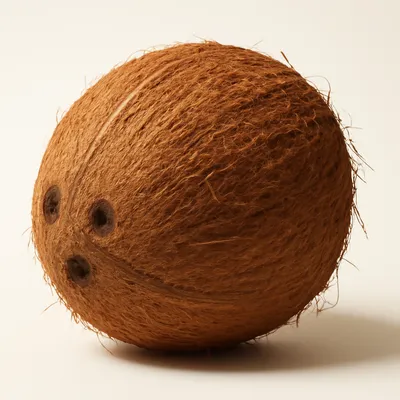

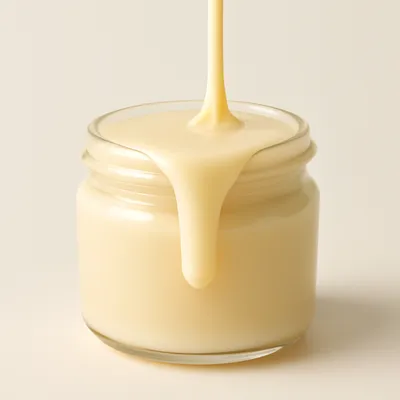


Buko pandan is a modern Filipino dessert built on two ingredients central to the islands' kitchens — buko (young coconut) and pandan, the fragrant screwpine leaf used across Southeast Asia. It is commonly associated with Bohol and the Visayas, where coconut is abundant, and is now made nationwide. Its creamy, milk-and-gelatin format reflects the same mid-twentieth-century turn toward canned and packaged dairy that shaped many Filipino party sweets; it has no single documented inventor.
Cool and soft, it is mostly texture: the silky young coconut, the slip-and-bounce of the pandan jelly cubes, and the cream binding it all. Pandan gives a gentle grassy, almost vanilla-coconut fragrance that lifts the whole bowl, while the milk and condensed milk keep it sweet and rich without being heavy. Chewy tapioca or kaong, if added, punctuate the softness with little bursts.
The pandan jelly is set with agar (gulaman), a seaweed-derived gelling agent that, unlike gelatin, firms at room temperature and holds its shape even when chilled in cream, giving clean, bouncy cubes. Pandan leaves are steeped or blended to extract their aroma into the jelly and the cream. No cooking sets the salad itself — it is simply folded together and chilled, so the flavours mingle and the dessert firms as the cold cream thickens around the coconut and jelly.
Variations
Recipes range from a light cream-and-milk base to richer ones with cream cheese or all-purpose cream. Common add-ins include tapioca pearls (sago), kaong (sugar-palm fruit), nata de coco, and even small bits of fruit cocktail. A close cousin is buko salad, which uses the same coconut-and-cream base without the pandan jelly.
On the Palate
Where Buko Pandan sits in the Filipino flavor cloud
Ingredients
Serves 8How it's made
8 steps · 30 min
- 110 min
Steep pandan leaves in hot water, or blend and strain them, to make a fragrant green liquid.
- 28 min
Dissolve agar (gulaman) in the pandan liquid with a little sugar and bring to a boil until fully melted.
Watch outDissolve the agar fully and boil it — undissolved agar won't set clean, bouncy cubes; unlike gelatin it firms even chilled in cream.
- 330 min
Pour into a tray and let set, then cut the firm pandan jelly into small cubes.
- 410 min
Scrape young coconut into strips and drain well.
- 54 min
In a large bowl, whisk together condensed milk, evaporated milk or cream until smooth.
- 65 min
Gently fold in the coconut strips, pandan jelly cubes, and any tapioca pearls or kaong.
- 7120 min
Cover and chill for at least two hours so it sets and the flavours meld.
Watch outChill at least two hours so it sets and the flavors meld — the cold cream thickens around the coconut and jelly to firm the whole salad.
- 82 min
Stir gently and serve cold.
Archive tool suggestions — not reviewed
These legacy suggestions have not been evidence-reviewed and are not presented as required tools.



