
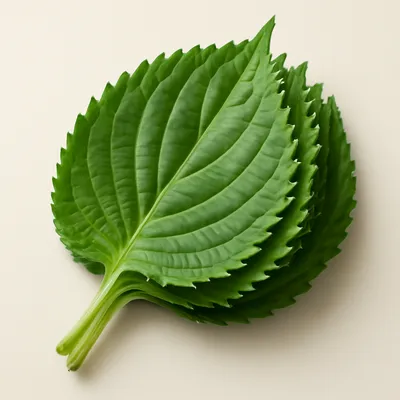
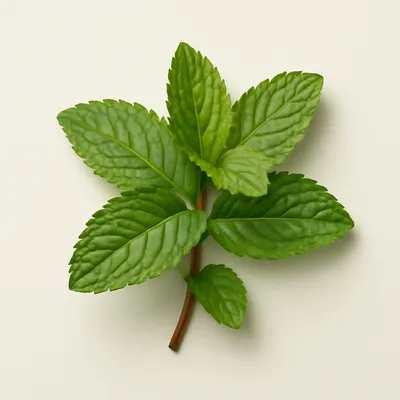
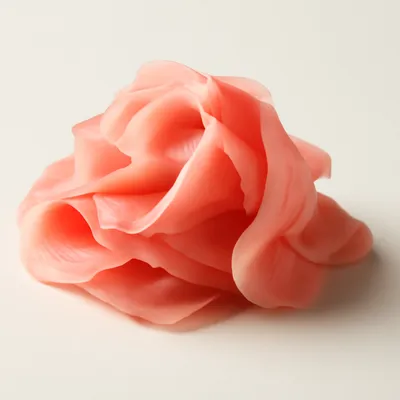
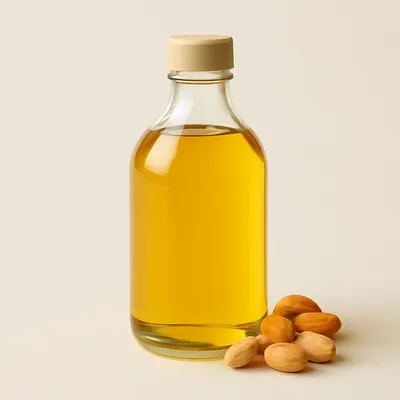
A raw-fish dish (鱼生) from Hengzhou, formerly Hengxian county, on the Yu River near Nanning in Guangxi. A live river fish is killed, bled, skinned, and deboned, and the flesh is sliced paper-thin into near-translucent sheets, fanned out on a chilled plate. It is eaten the local way — called 两片, 'two slices' — by lifting a slice, swishing it in a dressing of peanut oil and soy sauce, and piling on a large spread of more than twenty shredded raw condiments: perilla, mint, fish-mint, ginger, sour ginger, sour star-fruit or lime, garlic, shredded carrot, fried peanuts and more. The craft is in the knife, and the dish is famous for the thinness and evenness of its slices.



Raw fish has long been eaten along the Yu River, and Hengxian raw fish is a documented local tradition: 横县鱼生制作技艺 (the craft of making Hengxian raw fish) was inscribed in 2010 in the third batch of the Guangxi autonomous-region list of intangible cultural heritage, and in September 2018 the dish was named one of the Ten Classic Dishes of Guangxi in the national 'Zhongguo Cai' selection. It is locally nicknamed 两片 ('two slices'). The fish come from the Yu River, fed by mountain springs and settled clearer below the Xijin reservoir, which the local account credits for firm, sweet river fish. By tradition the dish is said to have several centuries of history, born of boatmen on the river eating fish raw because cooking aboard was awkward, but the precise origin and age are not firmly documented.
A slice is cool, glassy, and almost weightless on the tongue — so thin it is nearly see-through — with the clean, faintly sweet taste of very fresh river fish and no muddy note at all. The texture is the point: tender and slippery yet with a slight crisp spring, never soft or mushy. The dressing of peanut oil and soy coats it richly, and then the heap of shredded condiments takes over — the herbal lift of perilla and mint, the green pungency of fish-mint, sharp ginger and sour ginger, the tang of sour star-fruit or lime, crunchy peanuts. Done well, the slices are even and whole and fall cleanly apart. Done badly, the fish is sliced thick or unevenly, tastes flat or faintly muddy, or is not cold and fresh enough, and the texture turns soft and dull.
The dish lives or dies on freshness and the knife. The fish is killed and bled at once, because draining the blood removes much of the off-flavor and keeps the flesh pale and clean; live fish are often purged in clean water for some days first so they spit out sediment and the meat firms up. Slicing paper-thin matters for both eating and safety: each near-translucent sheet has a huge surface area, so the dressing and the volatile aromatics of the herbs coat every part, and the cut must be even — a single clean stroke — so the slices stay whole and the texture even. Bleeding, skinning, careful deboning, a cold serving plate, and the immediate eating all keep the raw flesh at its freshest. The two acidic and pungent stars of the condiment heap — sour ginger and sour star-fruit, perilla, mint, fish-mint, garlic — are there to brighten, balance, and perfume the raw fish, not to cook it; raw freshwater fish should be eaten only when the fish is known to be safe.
Variations
The fish used varies with the catch — green-bamboo fish (青竹鱼), grass carp, red-eye fish, and carp all appear — and the spread of condiments shifts by season and by household, though the standard heap runs past twenty shreds and always leans on perilla, mint, fish-mint, ginger, sour ginger, garlic, peanuts and a sour fruit. Raw-fish eating is widespread in Guangxi and Guangdong beyond Hengzhou: 鱼生 is a known dish in Nanning, Wuzhou, and across the Pearl River delta (where the Shunde version is celebrated), each with its own condiment style. Hengzhou itself holds an annual raw-fish festival, and the local 鱼生 is counted among the region's signature dishes.
On the Palate
Where Hengxian Raw Fish sits in the Chinese flavor cloud
Ingredients
Serves 4


How it's made
7 steps · 40 min active + 20 min waiting
- 110 min
Purge a live river fish in clean water for some days so it spits out sediment and the flesh firms; use only fish known to be safe to eat raw.
- 25 min
Kill the fish and bleed it thoroughly at once, then rinse; drain the blood fully to keep the flesh pale and clean-tasting.
Watch outKill and bleed the fish thoroughly at once — draining the blood fully is what keeps the flesh pale and clean-tasting for eating raw.
- 38 min
Skin the fish and fillet it off the bone, then carefully remove every remaining fine bone and pat the flesh completely dry.
- 415 min
With a very sharp knife and a steady single stroke, slice the flesh into paper-thin, near-translucent sheets and fan them out on a chilled plate.
Watch outSlice paper-thin in one steady stroke so the sheets are near-translucent and even — a clean cut keeps each slice whole and lets the dressing coat every part.
- 512 min
Shred the condiments fine — perilla, mint, fish-mint, ginger, sour ginger, garlic, carrot, sour star-fruit or lime — and arrange them in separate heaps; fry the peanuts crisp.
- 62 min
Set out the dressing of peanut oil and soy sauce.
- 73 min
To eat, lift a slice, swish it in the peanut oil and soy, pile on the shredded condiments, and eat at once while cold.
Archive tool suggestions — not reviewed
These legacy suggestions have not been evidence-reviewed and are not presented as required tools.


