
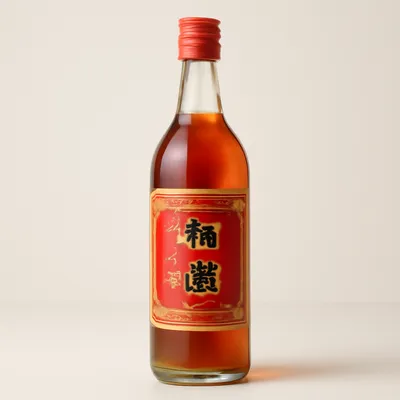
A northern fast stir-fry of thinly sliced lamb and large amounts of scallion white, cooked over very high heat by the 爆 method — in and out of the wok in moments. The lamb is briefly marinated, then seared so fast it sets without stewing, the scallion goes in to wilt just at the edges, and the whole thing is seasoned plainly with soy sauce and Shaoxing wine. The result is clean and savory rather than sauced, the lamb tender and the scallion sweet and barely cooked. It is a staple of old Beijing cooking, especially of the city's halal (清真) restaurants, and a standard cold-weather meat dish.



Scallion-blasted lamb is a classic northern dish, claimed both by Shandong (鲁菜) cooking, whose repertoire codified the high-heat 爆 technique, and by old Beijing — particularly the capital's halal (清真) restaurants, where lamb is the central meat. Its exact origin and date are unrecorded, and a commonly repeated story tracing it to the Qing imperial kitchen and Manchu taste is not reliably documented, so it is best left as a popular northern lamb dish rather than a court invention. What is solid is the regional logic: northern China, and Beijing especially, drew its mutton supply from Inner Mongolia, and the local ways of cooking it were summed up as 爆、烤、涮 — blast-frying, roasting, and hotpot-rinsing. 葱爆 names the method and the headline ingredient: 爆 is the explosive high-heat sear, and the dish leans on the cheap, sweet, abundant scallion of the north.
The lamb comes out in thin, tender slices that are just cooked through, juicy and clean-tasting with the gaminess tamed but not erased; there is no sauce pooling on the plate, only a glossy savory sheen. The scallion is the foil — sweet, hot, and still slightly crunchy where it has only half-wilted, releasing its aroma into the meat. A good plate smells strongly of scallion and seared lamb and tastes plainly savory, with a whiff of wine and soy. Done badly, the lamb has been crowded in a cool wok so it weeps water and stews to a grey, tough chew, the scallion is cooked limp and loses its lift, or there is too much soy and the clean flavor is muddied.
爆 (bao) is the technique that makes the dish: a wok heated until nearly smoking, very hot oil, and a fast sear that cooks thin slices through in seconds. The high heat sets the lamb's surface proteins and drives Maillard browning for savor before the muscle has time to contract and squeeze out moisture, which is why the meat stays tender and juicy — overcrowding or a cool wok drops the temperature, the lamb releases water, and it boils grey and tough instead. The lamb is cut thin and across the grain and given a brief marinade of soy and Shaoxing wine; the wine and the high heat help volatilize the branched-chain fatty acids responsible for mutton's strong smell, taming the gaminess. The scallion is added late and only flash-cooked so it stays sweet and aromatic rather than collapsing, and the seasoning is kept minimal and added fast so nothing draws water out and stews the meat. Speed is everything: the whole stir-fry is over in a minute or two.
Variations
The same 爆 treatment is given to beef and to pork as 葱爆肉, a Shandong and home-cooking standard. Cooks vary the seasoning between a plain savory soy version and a darker one rounded with a little sweet bean sauce (甜面酱) or sesame paste; some add a splash of vinegar at the end for lift, or a clove or two of garlic. The lamb cut ranges from leg to the prized fattier upper-leg and tail-fat trim. A closely related northern dish is 大葱扒羊肉 (scallions braised with lamb), which slow-cooks rather than blast-fries, and the lamb-and-scallion pairing also underlies the famous 涮羊肉 hotpot of the same region.
On the Palate
Where Scallion-Blasted Lamb sits in the Chinese flavor cloud
Ingredients
Serves 3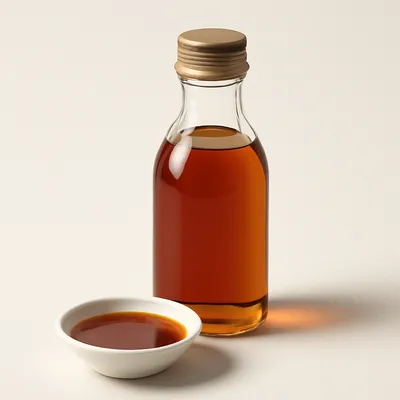

How it's made
7 steps · 12 min active + 18 min waiting
- 112 min
Slice the lamb thin against the grain (partially freezing it first makes this easier), and cut the scallion whites into chunks, separating the layers so they cook evenly.
- 28 min
Marinate the lamb briefly with light soy sauce, Shaoxing wine, and a little cornstarch so it stays tender.
- 31 min
Heat a wok until it just begins to smoke, add oil, and swirl to coat so the lamb will not stick.
Watch outGet the empty wok smoking before the oil goes in — a cool wok is why lamb sticks and weeps grey water instead of searing.
- 42 min
Add the lamb in a single layer and sear over the highest heat, tossing fast, just until it changes color and is barely cooked through; do not crowd the wok.
Watch outSpread the lamb in one layer and toss like mad — pull it the second it turns colour; crowd the wok or overcook and it steams tough and grey.
- 51 min
Throw in the scallion chunks and a few slivers of garlic and toss for only seconds so the scallion wilts at the edges but stays sweet.
Watch outThe scallion whites go in for seconds only — you want the edges just wilted and still sweet, not collapsed and stringy.
- 61 min
Splash in more Shaoxing wine and soy sauce around the hot wok and toss to season, finishing with a touch of sesame oil.
- 71 min
Turn out onto a plate at once while the lamb is juicy and the scallion still fragrant, and serve hot.


