
A classic of Beijing's halal table: thin slices of lamb loin quick-fried in a glossy sweet-sour sauce until they shine 'as sweet as honey.' The trimmed loin is cut into small thin slices, seasoned and dusted with starch, and slipped through hot oil just until it turns white, then tossed in a sauce of sugar, vinegar, soy sauce, ginger juice, and starch slurry that thickens to a clinging amber glaze, finished with a few drops of sesame oil. The pieces curl small and dark-red, looking much like dried apricots, with a soft tender bite, a sweet honeyed front, and a faint sour lift at the end.



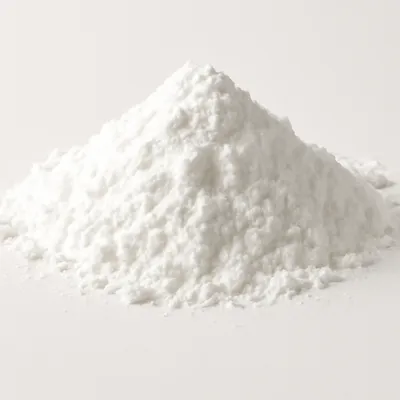
Tasimi is a Beijing halal dish whose original name and exact origin are unrecorded. The most credible account ties the name to religious practice rather than to the palace: Muslims recite the tasmiyah (the invocation 'in the name of God') before eating, so a sweet opening dish came to be called 太斯米 after that recitation, and literati later rendered it as 它似蜜 — a near-homophone that also means 'it resembles honey,' matching the taste. The familiar court stories — that the Qianlong emperor renamed a Xinjiang cook's dish 塔斯蜜, or that the Empress Dowager Cixi named it on tasting it — are treated by reference works as later embellishments and cannot be verified, so they are best taken as legend, not history. The dish became a standard of Beijing's halal restaurants; 南来顺, one of the city's noted Muslim houses founded in 1937, lists it among its signature dishes.
The lamb comes off the plate in small curled slices, dark amber-red and shining, looking like glazed dried apricots. The texture is the surprise: not chewy, not gamey, but soft and tender, almost yielding, because the loin is the leanest cut and barely cooked. The flavor leads with sweetness — a clean honeyed sweetness from the caramelized sugar — then the soy salt steadies it and a thread of vinegar lifts at the very end so it never cloys. Ginger sits underneath, cutting the muttony note clean away. Done well it is glossy, just-set, sweet-then-sour in that order; done badly the sauce is gluey and dull from too much starch, or the lamb is overcooked into something tough and dry, and the dish loses the soft 'honey' for which it is named.
Three things make it work. First the cut: lamb loin (羊里脊) is the most tender, fine-grained muscle, with little connective tissue, so a brief cook leaves it soft rather than springy. Second the velveting: the slices are dusted with starch and slipped through hot oil only until they whiten, setting a thin starch film that seals in moisture; a moment longer and the lean meat tightens and dries. Third the sauce, which is the signature — a balance of sugar and vinegar in which the sugar dominates. Heated in the wok, the sugar partly caramelizes, giving both the deep amber color and the rounded honeyed sweetness, while a starch slurry gelatinizes to thicken the sauce into a glaze that coats each slice (汁亮芡明). The vinegar is added late so its sharpness lifts the finish without boiling away, and the whole toss is fast — seconds — so the meat stays tender under its glossy coat.
Variations
Because it is a halal dish, the lamb loin is the orthodox main ingredient; non-halal kitchens sometimes add a splash of Shaoxing wine to the sauce, which a strict Muslim house would omit. The sweet-sour balance is adjusted by cook and region — some pull it sweeter and darker, others sharpen the vinegar; a little 糖色 (caramel coloring) is sometimes added for a deeper red. The same quick-fried-in-sweet-sauce idea has savory-sweet siblings on the northern table such as 糖醋里脊 (sweet-and-sour pork loin), though that is battered and crisp rather than soft and velveted; within Beijing's halal repertoire 它似蜜 sits alongside 烧羊肉 and 糖卷果 as a house specialty of restaurants like 南来顺.
On the Palate
Where Tasimi Honey-Sweet Lamb sits in the Chinese flavor cloud
Ingredients
Serves 2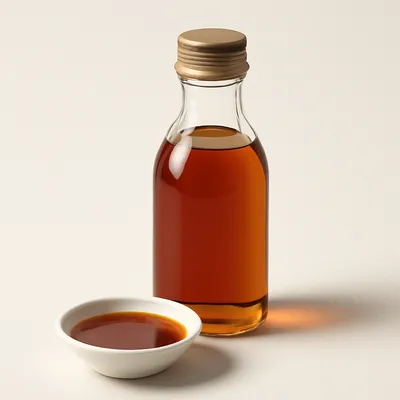

How it's made
6 steps · 15 min active + 10 min waiting
- 16 min
Trim a piece of lamb loin of sinew and cut it into small thin slices about the size of dried apricots.
- 210 min
Season the slices with a little salt and ginger juice, then mix in starch and a touch of oil until evenly coated; let stand about 10 minutes.
- 33 min
Stir a sauce in a bowl from sugar, vinegar, soy sauce, ginger juice, and a starch slurry, with the sugar in the lead and the vinegar a clear second.
- 43 min
Heat oil until hot; slip in the lamb slices and stir gently just until they turn white and separate, then lift out and drain quickly so they stay tender.
Watch outSlip the starched lamb into hot oil just until it whitens and separates, then lift it out fast — a moment longer and the lean loin tightens and dries.
- 53 min
Pour off most of the oil; pour the prepared sauce into the hot wok and stir until it bubbles, darkens, and thickens to a glossy glaze.
Watch outCook the sauce until it bubbles, darkens and thickens to a glossy glaze — the sugar partly caramelizes for the amber color and rounded sweetness that leads the dish.
- 62 min
Return the lamb, toss fast for a few seconds so every slice is coated in the amber glaze, drizzle in a few drops of sesame oil, and turn out at once.
Watch outReturn the lamb and toss fast for just a few seconds so every slice is coated — this dish lives or dies on speed at the finish.


