A Wenzhou autumn classic pairing the prized Yanting swimming crab — locally called jiangxie — with sliced rice cakes stir-fried in yellow wine, soy sauce, and sugar, each element enriching the other until the dish is inseparable from either of its parts.
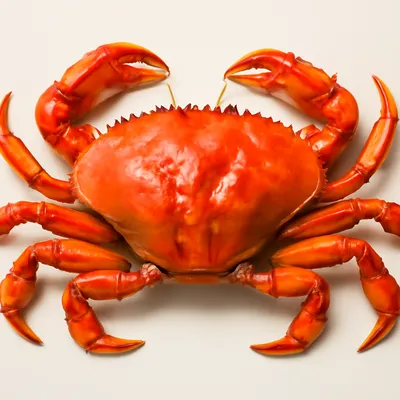



Jiangxie is the Wenzhou dialect name for the swimming crab (三疣梭子蟹, Portunus trituberculatus) harvested off the Yanting coast (炎亭) in Cangnan county, where converging cold and warm ocean currents produce unusually large, roe-rich specimens. By 1555 (Ming Jiajing 34th year), Yanting crab had already been recorded as an imperial tribute product. Stir-frying the crab with slab rice cakes originated as a fisherman-household tradition in the Yanting area; as coastal tourism developed in the latter twentieth century, local chefs spread the combination to Wenzhou restaurants. Japan-bound exports of Yanting crab started with sample shipments in December 1973, and Yanting was established as a formal export base in 1975; in October 1981, Cangnan County adopted speed-freezing combined with air freight specifically for the Japan trade, extending the crab's freshness window and broadening its reach, after which Yanting and its produce became widely celebrated both nationally and internationally, carrying the dish along with them.
The crab hits first — sweet, briny, faintly oceanic — and then the rice cakes arrive, doughy-soft and soaked through with soy-wine sauce, carrying a faint sweetness of their own that mirrors the crab's.
Portunus crab is packed with taurine, glutamate, and AMP — the crustacean flavor triad. Searing the crab in hot oil triggers Maillard browning for nutty depth, and carotenoids in the shell oxidize from astaxanthin to astacin, turning the braising liquid vivid orange. Rice cakes, cold-gelatinized during pressing, rehydrate in the sauce during the covered simmer and partially re-gelatinize, shifting from chewy to silky-soft while absorbing the flavor compounds from the crab juices. Yellow wine's organic acids react with the trimethylamine responsible for any fishy notes, neutralizing them and brightening the overall flavor.
Variations
In autumn, the recipe is made with female crabs laden with roe; the orange crab butter dissolves into the sauce, adding a richer, more complex layer of flavor. Home cooks occasionally substitute glutinous rice cakes for a stickier, sweeter result. Hangzhou versions sometimes add napa cabbage leaves for balance; Shanghai variations use darker, sweeter soy sauce and more sugar.
On the Palate
Where Crab Stir-Fried Rice Cakes sits in the Chinese flavor cloud
Ingredients
Serves 3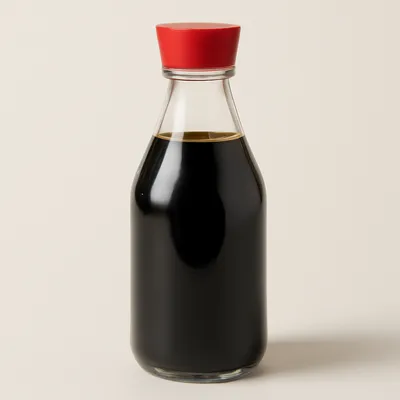

How it's made
7 steps · 15 min
- 15 min
Rinse the swimming crab, remove the carapace and gills; chop the body into quarters and crack the claws with the back of a knife. Toss all crab pieces lightly in cornstarch.
- 23 min
Heat oil in a wok until just smoking; place crab pieces cut-side down and sear for about 2 minutes until they turn vivid orange-red and develop a light crust. Remove and set aside.
Watch outLay the crab cut-side down in near-smoking oil and don't move it for two minutes — you're waiting for it to flush vivid orange-red and set a light crust before you touch it.
- 32 min
Add ginger slices to the remaining oil and stir briefly until fragrant.
- 43 min
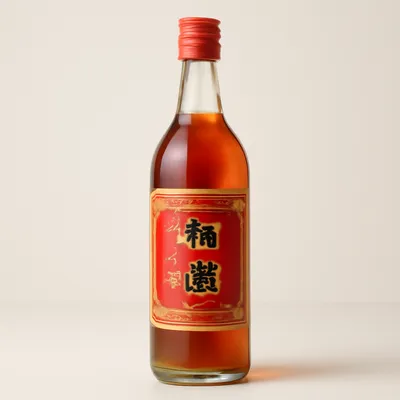
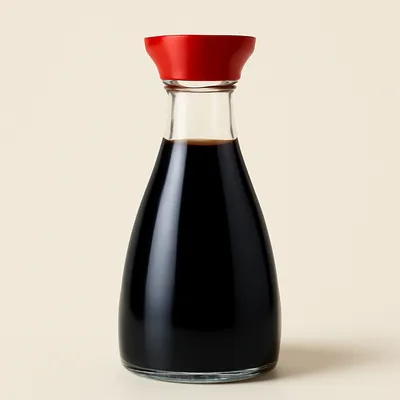
Return the crab to the wok; pour rice wine along the edge of the wok to deglaze, then add soy sauce, dark soy sauce, and a pinch of sugar; toss to coat.
Watch outSplash the wine down the hot wok rim, not onto the crab — the flare off the metal is what burns off the raw fishy note.
- 52 min
Pour in a small amount of water and add the sliced rice cakes; stir gently to combine everything.
- 63 min
Cover and simmer on low heat for 3 minutes until the rice cakes are tender and have absorbed the sauce.
- 72 min
Uncover, raise the heat to high, and reduce the sauce until it coats everything in a glossy glaze; taste and adjust with salt. Scatter scallion pieces over the top and serve.
Watch outUncover and blast high heat till the sauce pulls into a glossy glaze that clings to every piece — stop while it still coats, before it dries out.


