
A savory toasted-flour gruel from Wuzhi county in old Huaiqing prefecture (modern Jiaozuo, Henan). Despite the name 'oil tea' (油茶) it is neither oily-light nor a tea but a thick, drinkable porridge: wheat flour is dry-toasted, then fried in sesame oil to a fragrant roux, blended with pearl starch, ground peanuts, sesame, and walnuts, and seasoned with a large spice mix — fennel, Sichuan pepper, cassia, clove, sand ginger, and around two dozen aromatics in all. The roux powder is whisked into boiling water into a smooth, savory, nutty gruel and drunk hot from a bowl, a classic Henan breakfast and street food. It is distinct from the Guangxi dish of the same name, 恭城油茶, which is a watery tea of pounded tea leaves with puffed rice and is a completely different food.

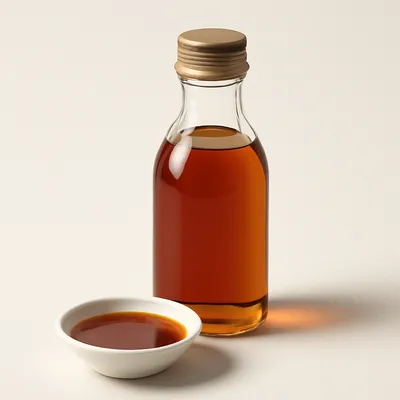


Wuzhi oil tea takes its name from its home, Wuzhi county in what was Huaiqing prefecture (怀庆府), today part of Jiaozuo in northern Henan, and from its method: the flour is fried (油) in oil before being made into a gruel that is drunk like tea. Local accounts give it a long pedigree under earlier names — 甘醪膏汤 said to date from the Qin, and 膏汤枳壳茶 from the Han — and attach two ruler stories: that the future Han founder Liu Bang was nursed back to health on it at Wude and later honored it, and that the Qing Yongzheng emperor, inspecting Yellow River flood works at Wuzhi, tasted it and praised it ('怀庆油茶润如酥' — Huaiqing oil tea is smooth as cream). These origin tales are folklore handed down rather than documented in a firm text, and the exact dates are unverifiable; what is solid is that Wuzhi oil tea is a long-established Huaiqing specialty, listed among Henan's provincial intangible cultural heritage. Its identity is a toasted-flour, spice-and-nut savory gruel of the region.
Good Wuzhi oil tea is thick but pourable, smooth and lump-free, the color of milky tea; it tastes deeply of toasted grain and sesame oil, savory and faintly salty, studded with little bits of fried peanut, sesame, and walnut that give crunch against the silky gruel, with a warm background hum of the spices. Drunk hot it coats and warms. A badly made bowl is lumpy because the powder was dumped into the water instead of whisked, or thin and pasty-tasting because the flour was under-toasted and tastes raw, or rancid and bitter if the nuts or oil have gone off.
The dish is built on a dry roux. Toasting the wheat flour, then frying it in sesame oil, does two things: heat breaks down the starch and browns the flour through the Maillard reaction and caramelization, building the deep toasted aroma and killing the raw-flour taste; and coating each particle of flour in oil keeps the grains separate, so that when the powder meets boiling water it disperses and thickens smoothly instead of clumping into paste. A little pearl starch adds extra body and gloss. The thickening itself is starch gelatinization — the toasted, oil-coated starch granules swell in the hot water and set the gruel. Whisking constantly while pouring in the powder is what prevents lumps, because the outer grains gel instantly on contact with the water and would otherwise seal a dry core. The fried peanuts, sesame, and walnuts add fat, protein, and crunch, and the ground spice blend perfumes the whole; frying the nuts first develops their flavor and keeps them crisp in the wet gruel for a while.
Variations
Wuzhi oil tea comes in a savory style (the classic, salted and spiced) and a sweet style made with sugar; households and stalls each tune the spice blend and the ratio of nuts. It is sold as a packaged toasted-flour powder to be whisked up at home as well as ladled fresh from street pots at breakfast. The most important distinction is in the name itself: the Guangxi dish 恭城油茶 (Gongcheng oil tea) of the Yao and Zhuang areas shares the words 油茶 but is an entirely different food — green tea leaves and rice are stir-fried and pounded in a pot, then simmered and strained into a savory tea broth served with puffed rice, fried dough, and peanuts. The two are unrelated despite the shared name; Wuzhi's is a toasted-flour gruel, Gongcheng's is a pounded-tea soup.
On the Palate
Where Wuzhi Oil Tea sits in the Chinese flavor cloud
Ingredients
Serves 6


How it's made
7 steps · 55 min active + 15 min waiting
- 115 min
Dry-toast the wheat flour in a pan (or steam and dry it first), stirring over low heat until it turns pale golden and smells nutty, with no raw-flour taste.
Watch outDry-toast the flour over low heat until pale golden and nutty with no raw-flour taste — this browning builds the deep aroma; stop before it scorches dark.
- 210 min
Fry peanuts in a little oil until crisp, peel and lightly crush them; toast sesame seeds and chop walnuts.
- 35 min
Grind the spice mix — fennel, Sichuan pepper, cassia, clove, sand ginger and the other aromatics — to a fine powder.
- 412 min
Heat sesame oil in the pan and stir in the toasted flour over low heat, adding the oil in stages, frying to a fragrant, even roux; mix in a little pearl starch.
Watch outFry the toasted flour in sesame oil to an even roux — coating each grain in oil is what lets the powder disperse smoothly in boiling water instead of clumping.
- 58 min
Stir the crushed peanuts, sesame, walnuts, salt, and the ground spices into the roux and fry briefly together, then take it off the heat — this is the finished oil-tea powder.
- 65 min
To serve, bring water to a rolling boil, then whisk the oil-tea powder in steadily (or stream the powder into the whisking water) until it thickens into a smooth gruel.
Watch outWhisk the powder steadily into rolling-boiling water until it thickens to a smooth gruel — the toasted, oiled starch swells and binds; keep whisking so no lumps set.
- 72 min
Ladle into bowls hot, topping with a few extra crushed peanuts and sesame, and drink while warm.
Archive tool suggestions — not reviewed
These legacy suggestions have not been evidence-reviewed and are not presented as required tools.


