A clear, restorative soup of sliced mutton and Chinese herbs from the mutton-soup lane of Changhua city, simmered with angelica, goji and ginger until the broth is warming and faintly medicinal. A breakfast-and-late-night staple of central Taiwan.
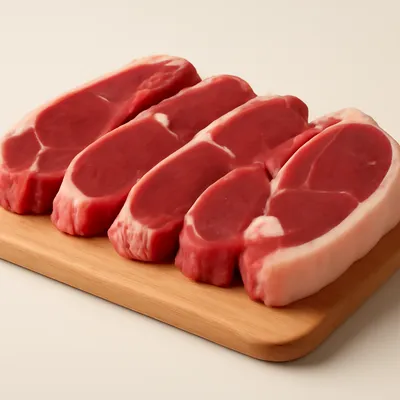
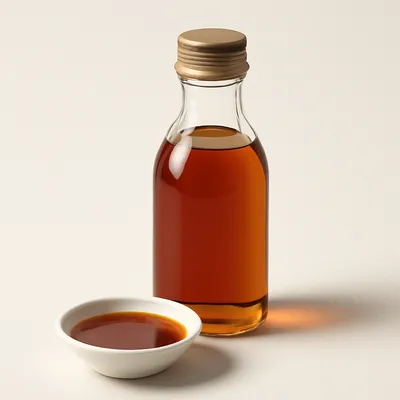



Mutton soup is a specialty of Changhua, Taiwan's mutton heartland — the county raises more sheep than any other and is home to the island's sheep-auction markets, and the town of Xihu in particular is ringed with mutton shops. Contrary to a common assumption, this is not a Mainlander import: Taiwanese mutton cookery grew out of the Hokkien (Minnan) settler tradition, and roving vendors were already selling mutton soup, mutton thick-soup and mutton noodles around Changhua and nearby Gangshan in the Japanese colonial era, well before the hotpot (yangrou-lu) form took off in the 1970s. The soup is a clear broth of sliced mutton, briefly stir-fried with sesame oil and ginger to drive off gaminess, then simmered with Chinese herbs — angelica dang-gui and chuanxiong for warmth, goji berries for sweetness, dried jujube — until the broth is golden, restorative and faintly medicinal. The mutton is tender but still slightly chewy, the broth drunk for its warming, qi-nourishing properties in the Chinese-medicine tradition. Eaten with a bowl of rice or noodles and a side of pickled greens, mutton soup is a fixture of Changhua's morning and late-night trade, the herbal warmth the point.
A clear, golden, warming broth, faintly herbal and sweet from the angelica and jujube, with tender sliced mutton that holds a slight chew, the ginger and sesame oil warm on the throat. Restorative, the Chinese-medicine quality unmistakable.
The soup is built on a quick stir-fry to de-game the meat and a herbal simmer. Sliced mutton, lean with some fat, is stir-fried briefly in sesame oil with plenty of sliced ginger, the high-heat frying driving off the gamey compounds in the fat before the broth is added. Water is poured in, along with a herbal bundle of angelica root dang-gui, goji berries, dried red jujubes, and sometimes a slice of astragalus or cordyceps, the herbs chosen in the Chinese-medicine tradition for their warming, qi-nourishing and blood-building properties. The soup is simmered for 30 to 45 minutes, shorter than a long stock, to keep the mutton tender and the broth light rather than heavily reduced, the herbs infusing gently without overpowering. Rice wine is added, and the seasoning is just salt and white pepper. The result is a clear, golden, mildly herbal broth with tender mutton, eaten over rice or noodles with pickled greens. The herbal warming quality, deeply associated with winter and convalescence in Chinese culture, is the dish's purpose.
Variations
Some add dried longan for extra sweetness. A version with rice wine and egg is a postpartum restorative. Noodles are served in the soup instead of rice.
On the Palate
Where Changhua Mutton Soup sits in the Taiwanese flavor cloud
Ingredients
Serves 4How it's made
5 steps · 20 min
- 15 min
Slice 400g mutton thinly; heat 2 tbsp sesame oil in a wok and stir-fry the mutton with 5 slices of ginger over high heat until browned and fragrant.
Watch outStir-fry the mutton hard in the hot sesame oil with the ginger until browned and fragrant — this high-heat pass is what drives off the gamey smell.
- 25 min
Pour in 1.5 litres water; add a herbal bundle of 10g angelica root, 15g goji berries, 5 dried red jujubes and 2 tbsp rice wine.
- 38 min
Bring to a boil, skim, then simmer gently for 35 to 45 minutes until the mutton is tender and the broth golden.
Watch outSimmer just 35–45 minutes, gentler and shorter than a bone broth — the golden clarity comes from a bare simmer; a hard boil clouds it.
- 43 min
Season with salt and a little white pepper; fish out the herbal bundle if bagged.
- 54 min
Ladle into bowls and serve hot with a bowl of rice or noodles and a side of pickled greens.

