A northern Taiwanese classic: round oil noodles blanched briefly in a bamboo basket, tipped into a clear pork-bone broth, and topped simply with bean sprouts, garlic chives, a few slices of poached pork, and a spoon of fried shallot. Plain by design — the bowl lives or dies on the sweetness of the broth and the bounce of the noodles. Strongly tied to Luzhou, near Taipei.



The name comes from the action: 切 in Taiwanese Hokkien (here written 切仔, also seen as 摵仔) describes the cook shaking a long-handled bamboo basket of noodles up and down in boiling water to blanch them just enough, then knocking off the water before tipping them into the bowl. It is a northern Taiwanese dish above all, and the town of Luzhou north of Taipei is famous for it, with a cluster of long-running shops; many trace the local trade to migrants from Fujian's Tong'an who settled there. The bowl is deliberately spare and cheap, built around a clear pork broth and springy oil noodles, and is usually eaten with a plate of 黑白切 — sliced poached pork and offal — on the side.
The broth is clear and clean, sweet from long-simmered pork bones rather than heavy seasoning, with the warmth of white pepper. The oil noodles are round and springy, slick but not oily, springing back against the bite. Crisp bean sprouts and a few cut garlic chives add freshness; a spoon of fried shallot floats its toasty aroma across the top; the poached pork is mild and tender. Nothing dominates — it is a quiet, comforting bowl.
Two things define it. The broth is a long, gentle simmer of pork bones: held below a rolling boil, it slowly dissolves collagen into gelatin and releases glutamate, giving a naturally sweet, clear stock — a hard boil would emulsify the fat and turn it cloudy, which this style avoids. The noodles are 油面, alkaline wheat noodles tossed with a little oil; the added alkali (lye water) raises the dough's pH, which tightens the gluten network and gives the noodles their characteristic yellow color, firm spring, and faint alkaline scent. Blanching in the shaking basket reheats the pre-cooked noodles for only seconds, so they warm through without going soft, and the basket drains them fully so they don't dilute the broth.
Variations
The same shop almost always offers the bowl two ways: 汤面 (in soup, as here) and 干面 (drained and dressed with the same shallot oil and a little of the broth on the side). Toppings stay minimal but vary — some add a slice of fish cake, a soy egg, or wontons. The near-universal companion is the 黑白切 platter of sliced poached pork, liver, and other cuts dipped in soy-garlic sauce. Outside the north the dish is less common, and the noodle is occasionally swapped for a thinner type.
On the Palate
Where Qie-zai Noodles sits in the Taiwanese flavor cloud
Ingredients
Serves 2

How it's made
7 steps · 15 min
- 1120 min
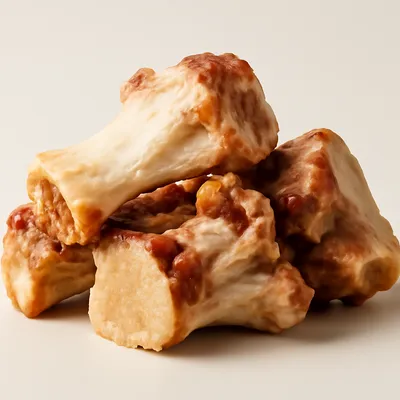
Simmer pork bones in plenty of water over low heat for at least 2 hours, skimming, to make a clear sweet stock; season lightly with salt and white pepper.
Watch outKeep the pork bones below a rolling boil for the whole simmer — a hard boil emulsifies the fat and clouds this clear, sweet stock.
- 212 min
Poach a piece of pork (shoulder) in the stock until just cooked; lift out, cool, and slice thinly for topping.
- 32 min
Blanch a handful of bean sprouts and a few cut garlic chives in boiling water for a few seconds; drain.
- 41 min
Put the round oil noodles into a long-handled basket and shake them up and down in boiling water for 20-30 seconds until heated through; lift and drain off all the water.
Watch outShake the noodles in boiling water just until hot through, 20 to 30 seconds — they're pre-cooked, so any longer and they go soft.
- 51 min
Tip the noodles into a bowl and ladle the hot pork broth over them.
- 61 min
Top with the bean sprouts, garlic chives, and sliced poached pork.
- 72 min
Finish with a spoon of fried shallot and its oil, a dash of white pepper, and serve with a plate of sliced poached pork on the side.


