A Tainan-style steamed rice-flour cake set in a bowl with pork, shrimp, salted egg yolk and a dark sweet-savoury sauce, scooped with a fork and eaten warm. A traditional Tainan small eat with a soft, bouncy, sauce-soaked texture.



Tainan savory rice cake, wan guei, is a traditional small eat of Tainan, where the dish is considered a benchmark of the city's old breakfast and snack culture. It belongs to the broad southern-Chinese family of steamed rice-flour cakes, brought to Taiwan by Hokkien settlers and refined in Tainan, the old capital, into its distinctive form. The cake is made by pouring a seasoned rice-flour batter into individual bowls, mounding each with marinated pork chunks, dried shrimp, a salted duck-egg yolk and sometimes a cube of pork liver, then steaming until the batter sets into a soft, bouncy, slightly translucent cake that fills the bowl. The cooked cake is drenched in a dark, sweet-savoury sauce of soy, sugar and garlic, and eaten warm, scooped with a small fork or bamboo pick that scrapes the cake from the bowl in irregular pieces, each soaked in sauce. Tainan's old-city wan-guei shops, many in the old Guohua and Yongle market area, are the benchmark, the texture of the cake, soft yet bouncy enough to hold its shape, the test of the maker. The dish is closely related to the Cantonese steamed rice rolls but denser and sauce-bound.
A soft, bouncy, warm rice cake scooped from the bowl, each piece soaked in a dark, sweet, garlicky sauce, with bites of tender pork, briny dried shrimp and a rich, sandy egg yolk. Soft, saucy, gently sweet in the Tainan style.
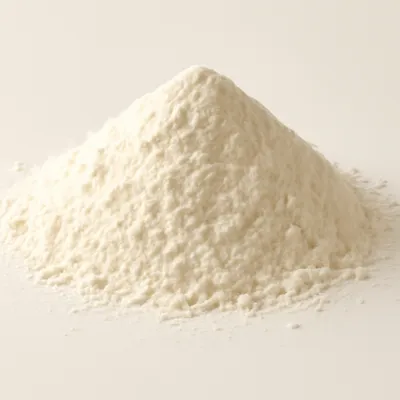
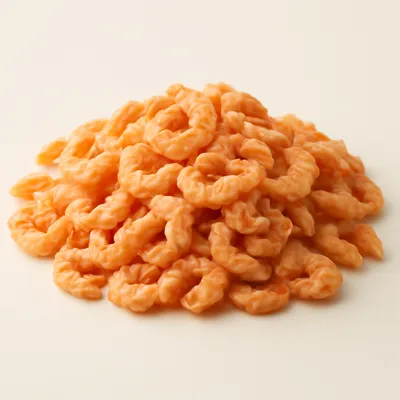
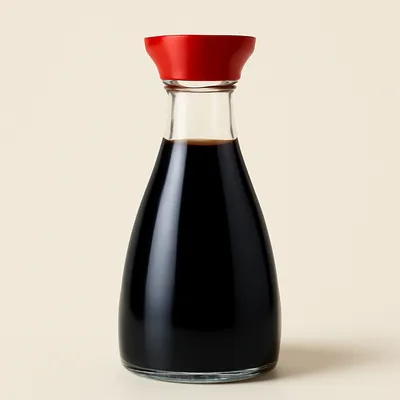
The technique is the rice-flour batter and its bowl-steam. A batter of aged inelastic rice flour, water, and a little cornflour for bounce, seasoned with salt, sugar and a little soy, is poured into individual small bowls to about two-thirds full. A topping of marinated pork chunks, soaked dried shrimp, a salted duck-egg yolk and sometimes pork liver is mounded into each, sinking partly into the batter. The bowls are steamed covered for around 40 minutes, the heat setting the batter into a soft, bouncy, slightly translucent cake that holds the toppings suspended and fills the bowl shape, the cake taking on a slightly dimpled, golden top from the steam. The cooked cake is drenched in a dark sauce made from soy sauce, sugar, water, a little rice-paste thickener and garlic paste, the warm cake absorbing the sauce. It is eaten directly from the bowl with a fork, scraping pieces that each carry sauce and a mix of toppings. The soft-yet-bouncy texture of the rice cake, which must hold together enough to be scooped but not be rubbery, is the technical test.
Variations
Northern Taiwanese wan guei is lighter in colour and less sweet. A version with added taro or radish exists. Some shops add a raw egg yolk on top before steaming.
On the Palate
Where Tainan Savory Rice Cake sits in the Taiwanese flavor cloud
Ingredients
Serves 6How it's made
6 steps · 20 min
- 15 min
Make the batter: whisk 250g rice flour with 600ml water, 1 tsp salt, 1 tbsp sugar and 1 tbsp soy sauce until smooth.
- 25 min
Marinate 150g diced pork in soy, sugar, five-spice and white pepper; soak 30g dried shrimp; prepare 6 salted duck-egg yolks.
- 35 min
Pour the batter into 6 oiled bowls to two-thirds full; mound pork, shrimp and a yolk into each.
- 47 min
Steam the bowls covered over boiling water for 40 minutes until the cakes are set and slightly translucent.
Watch outSteam until the cake sets and turns slightly translucent — a toothpick comes out clean and the surface springs back; underdone it stays milky and gluey in the middle.
- 55 min
Make the sauce: simmer 4 tbsp soy, 2 tbsp sugar, 100ml water, 1 tsp rice-paste thickener and 1 tsp minced garlic until glossy.
- 64 min
Drench each cake with the warm sauce and serve in the bowl, eaten with a small fork.
Archive tool suggestions — not reviewed
These legacy suggestions have not been evidence-reviewed and are not presented as required tools.
