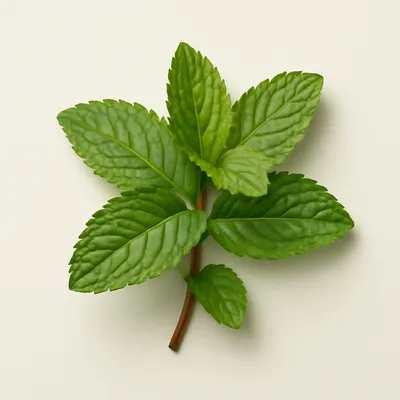
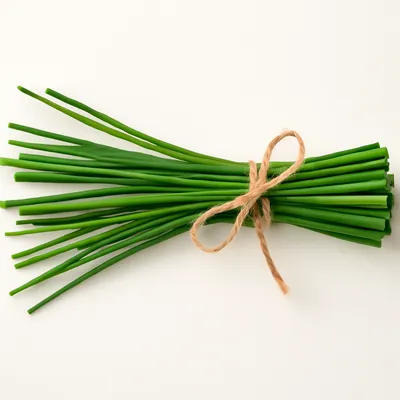
The signature noodle of Yuxi city: live rice-paddy eels deboned and stir-fried with garlic, Sichuan pepper, and Yuxi aged bean paste (老酱), then ladled over fresh rice noodles in clear pork-bone broth, with oil-puffed pork crackling, fresh mint, chives, and chili oil. Seasonal and rare — eels come from the flooded paddies around Fuxian Lake in summer. In 1956, Yuxi cook Yao Sanpao (姚三炮) won the city's inaugural state-restaurant culinary competition with this recipe, cementing its status.





Yuxi sits at 1,820 metres in a basin fed by Fuxian Lake (抚仙湖), China's second-deepest freshwater lake, whose exceptional water clarity has sustained one of Yunnan's richest aquatic ecosystems. The rice paddies surrounding the lake have been cultivated since at least the Han dynasty; wild rice-field eels (黄鳝, Monopterus albus) thriving in the irrigated terraces became a natural seasonal food source for Yuxi farmers. The city's rice-noodle tradition is by local account traced to the Yuan dynasty, when a farmer named Zhang Cai (张彩) from Beicheng Qingdui village is said to have first pressed rice into noodle strands, establishing the Yuxi noodle craft that persists today. Eel-topped noodles emerged as the premium local version of this tradition, almost certainly during the Ming or Qing dynasty, as Yuxi's distinctive fermented bean-paste industry developed — the aged 老酱 (an annual-fermented paste of local soybeans, salt, and spice) imparting a depth of flavour impossible to replicate with fresh seasoning. The dish gained its modern standardised form through the Yuxi State-Run Restaurant, which by local account formalised the eel noodle preparation around the mid-twentieth century, making it the house signature. Eel noodles remain the emblem of Yuxi street food, sold from the same address — queues forming before dawn in summer when eels are freshest.
The bowl arrives with layered colours: pale rice noodles beneath glossy amber broth, dark eel curls draped on top, a vivid green fringe of mint and chives, a smear of crimson chili oil. The eel is dense and slightly chewy, carrying a deep savouriness from the aged bean paste — sweet-salty, faintly smoky, with the complexity that only multi-year fermentation can produce. The fresh mint is a cold shock: raw, eucalyptic, clean, cutting through the richness like a cold stream. The oil-puffed pork crackling, initially crisp, absorbs the broth and becomes silky. The rice noodles underneath are smooth and neutral, silently holding everything together without competing.
Stir-frying the deboned eel segments in oil at very high heat before adding the broth is the essential technique: above 200°C, the Maillard reaction rapidly cross-links eel surface proteins with reducing sugars, forming a flavour-locked shell that resists softening in the subsequent broth simmering. This textural envelope gives the finished eel its characteristic slight chew and prevents the flesh from falling apart in the bowl. Yuxi aged bean paste (老酱) contributes free glutamic acid, nucleotide breakdown products (inosinic acid), and hundreds of volatile Maillard and Strecker degradation products accumulated over its multi-year fermentation — functioning as a flavour amplifier chemically analogous to Japanese dashi or aged parmesan, concentrating umami far beyond any fresh seasoning. The addition of Sichuan peppercorn delivers the numbing compounds (椒素类) that activate low-frequency vibrotactile nerve fibres in the mouth at roughly 50 cycles per second, producing the characteristic 麻 sensation and — critically — stimulating increased salivation, which further intensifies the perception of umami depth in the broth.
Variations
Cold summer version (凉版): broth served at room temperature or slightly chilled, topped with eel and cucumber shreds dressed with sesame paste — Yuxi's hot-weather relief. Dry-tossed version (干拌版): rice noodles tossed directly with eel, aged paste, and chili oil without any broth — the fast-service vendor version common at market stalls during peak hours. Catfish rice noodles (鲶鱼米线): in lean years when paddy eels are scarce, fresh catfish substitutes — prepared with the same aged-paste base but yielding a richer, silkier, more oil-forward broth.
On the Palate
Where Yuxi Eel Rice Noodles sits in the Chinese flavor cloud
Ingredients
Serves 2

How it's made
7 steps · 20 min
- 110 min
Kill and clean live eels; split each eel along the spine with a sharp knife to debone, then cut into 4 cm segments. Marinate briefly with 1 tbsp soy sauce and a pinch of Sichuan pepper while you prepare the other components.
- 24 min
If making pork crackling from scratch: cut raw pork skin into 5 cm squares; deep-fry at 180°C for 3–4 minutes until puffed, golden, and crisp. Drain on paper. (Pre-made crackling can be used directly.)
- 33 min
Blanch fresh rice noodles in a pot of rapidly boiling water for 1–2 minutes until just tender; drain and divide into two warm bowls.
- 42 min
Heat 3 tbsp oil in a wok over maximum heat until smoking; add sliced garlic and Sichuan peppercorns, toss for 30 seconds until fragrant.
- 54 min
Add eel segments in a single layer; stir-fry on maximum heat for 3–4 minutes without excessive stirring, until all surfaces are seared, the flesh has firmed, and the edges are lightly charred.
Watch outSear the eel in a single layer on max heat without much stirring until the surface firms and the edges char lightly — this locks a shell so the flesh won't fall apart in the broth.
- 64 min
Add 3 tbsp Yuxi aged bean paste (老酱); stir-fry for 30 seconds to coat the eel. Pour in 400 ml pre-made pork-bone broth; bring to a rapid boil. Add pork crackling; cook 1 minute more until crackling has softened slightly and absorbed the broth.
Watch outFry the aged bean paste just 30 seconds to coat before the broth — it's already fermented and deep; over-frying it turns bitter.
- 72 min
Ladle the hot broth over the rice noodles; arrange eel segments and pork crackling on top. Garnish with sliced fresh chives, fresh mint leaves, fresh cilantro, and a spoonful of chili oil. Serve immediately.


