Cherry-red braised pork belly glazed with red yeast rice and rock sugar, a spring-only Suzhou tradition from the three-hundred-and-sixty-year-old brand Lù Gǎo Jiàn — lacquered, yielding, and sweetly savory.


Suzhou's Lù Gǎo Jiàn (陆稿荐), traditionally dated to the early Kangxi period (ca. 1661–1663), is the canonical home of this dish. According to the shop's founding legend, an elderly Daoist wanderer disguised as a beggar sought shelter; upon leaving he left behind a worn straw mat. When the Lu family burned that mat as fuel, the meat took on an otherworldly fragrance — and the shop was renamed 陆稿荐 (陆 = family name, 稿荐 = straw mat). The dish is recorded in the Qing-era Suzhou seasonal customs compendium 《清嘉录》 among spring festival offerings, confirming its place in Wu-region tradition. It is strictly seasonal: available for roughly one month around Qingming each spring, embodying the Suzhou maxim 不时不食.
Each cube arrives lacquered mahogany-sweet on the surface, the fat utterly dissolved into silk, the lean pulling apart in threads soaked with red-gold sauce — sweet first, then savory, then a long finish of soy and caramel.
Red yeast rice (红曲米) provides the vivid cherry color: Monascus purpureus fermentation produces red pigments — rubropunctatin and monascorubin — that bind tightly to meat proteins, resisting both heat and pH shifts. Rock sugar at high temperature undergoes caramelization and participates in Maillard browning at the surface. Collagen in the pork skin and connective tissue hydrolyzes at 70–80°C over the extended low-heat braise, converting into gelatin that glazes each cube and gives the sauce its thick, mouth-coating body. Repeatedly recycled aged brine (老卤) concentrates amino acids and aroma compounds across years of use, providing a depth no fresh brine can replicate.
Variations
Wuxi-style red-braised pork ribs (无锡酱排骨) from the same culinary family doubles the sugar and uses dark soy instead of red yeast, producing a sweeter, darker result. Shanghai's hong shao rou relies entirely on dark soy for color, omitting red yeast altogether. Some Suzhou shops now offer an osmanthus-glazed autumn version, finishing with osmanthus syrup for a floral sweetness.
On the Palate
Where Suzhou Red-Sauce Pork sits in the Chinese flavor cloud
Ingredients
Serves 4

How it's made
7 steps · 30 min
- 130 min
Rinse 500g skin-on pork belly, cut into 4cm cubes, soak in cold water for 30 minutes to draw out blood.
- 28 min
Blanch pork cubes in cold water brought to a boil for 5 minutes; drain and rinse away any foam.
- 35 min
Dissolve 30g red yeast rice powder in 100ml warm water; strain through a fine sieve to a smooth, bright-red liquid.
Watch outDissolve the red yeast powder and strain it to a clean, bright-red liquid — that pigment stains the meat cherry-red and holds through heat, so lumps mean uneven color.
- 45 min
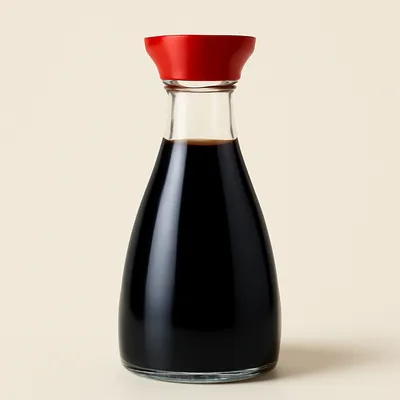
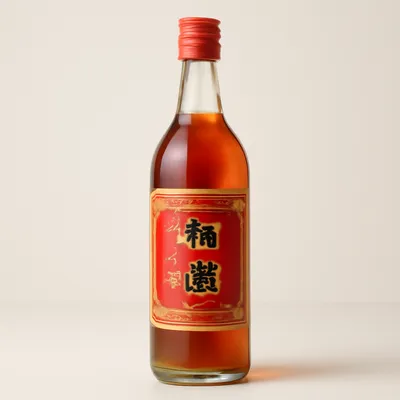
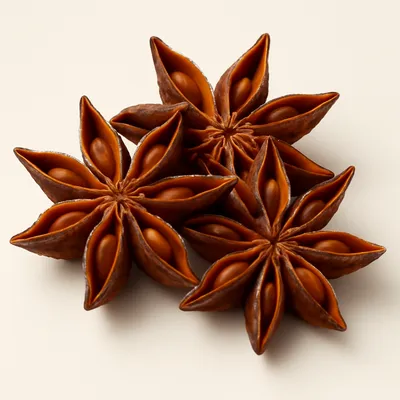
Arrange pork cubes skin-side down in a clay pot or heavy pot; add the red yeast liquid, 100g rock sugar, 3 tbsp soy sauce, 4 tbsp Shaoxing wine, star anise, cinnamon, and ginger slices. Pour in water to barely cover.
- 590 min
Bring to a boil over high heat, then reduce to the lowest possible simmer; braise covered for 90 minutes without disturbing.
Watch outOnce it boils, drop to the gentlest possible simmer and leave the lid on undisturbed — barely-there bubbles melt the skin collagen to gelatin, while a rolling boil breaks the cubes apart.
- 620 min
Remove the lid; raise heat to medium-high and reduce the sauce, turning cubes gently to coat evenly, until the sauce clings and glistens — about 20 minutes.
Watch outReduce over medium-high, spooning sauce over the cubes, until it thickens enough to cling and throw a lacquer-like shine — that glossy coat is the gelatin-rich sauce tightening up.
- 710 min
Remove from heat; rest covered for 10 minutes, then plate skin-side up so the lacquered surface is on full display.
Archive tool suggestions — not reviewed
These legacy suggestions have not been evidence-reviewed and are not presented as required tools.

