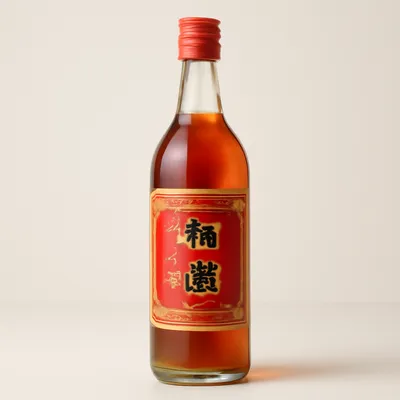
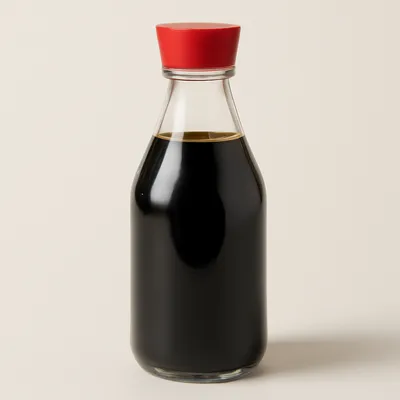
The original Dongpo pork, created by exiled poet-statesman Su Shi in Huangzhou during the Northern Song dynasty. Thick-cut pork belly braised for three hours in yellow wine, dark soy sauce, rock sugar, and red koji rice, yielding a sauce-lacquered square of trembling, meltingly tender meat that is fatty without being greasy.




In the winter of 1080, Su Shi (Su Dongpo) was banished to Huangzhou, Hubei, following the Wutai Poetry Incident, serving as a deputy military advisor with little real duty. Living on donated farmland east of the city, he developed a slow-braised pork technique suited to the cheap, fatty pigs of Huangzhou and immortalized it in his poem 'Ode to Pork' (Zhurou Song): 'The pork of Huangzhou is good and cheap as dirt; the wealthy disdain it, the poor cannot cook it.' The poem encodes the technique: 'Low heat, little water—when the time is right, it becomes naturally delicious.' The dish spread south to Lin'an (Hangzhou) after the Northern Song fell, eventually becoming known as a Zhejiang specialty, yet Huangzhou has always held the original claim, distinguishing its version with red koji rice and dried bamboo shoots layered beneath. Certified among Hubei's 21 flagship Chu cuisine standards in December 2020.
A lacquered square of pork belly: the skin trembles with gelatinous give, fat beneath has surrendered all its greasiness to slow heat and become something close to silk, the lean underneath still holds structure—thread by thread, not crumbling—and the sauce, wine-dark and faintly sweet with the earthiness of red koji, coats everything in a slow finish.
Pork belly skin is collagen-dense (primarily Type I and III collagen). During a three-hour low braise at 85–95°C, the triple-helix collagen strands hydrolyze into gelatin, which is why the dish reads as fatty but never greasy—gelatin coats the palate very differently from emulsified liquid fat. Red koji rice (hong qu mi) contributes azaphilone pigments (monascorubrin, rubropunctatin) that give the sauce its deep red-lacquer hue, and its esterase activity promotes ester formation in the yellow wine, adding fermentation depth. The initial high-heat sear or blanching seals the surface via Maillard browning at 140–165°C, fixing the square shape and creating a flavour crust before the long braise begins.
Variations
The Hangzhou version uses Shaoxing wine and omits red koji, yielding a sweeter, wine-forward profile that has become the dish's most internationally recognised form. Sichuan adaptations add doubanjiang for heat. Some Huangzhou restaurants layer dried bamboo shoots beneath the pork to absorb excess rendered fat and contribute a faintly woody depth to the braising liquid.
On the Palate
Where Huangzhou Dongpo Pork sits in the Chinese flavor cloud
Ingredients
Serves 4

How it's made
7 steps · 30 min
- 110 min
Blanch whole pork belly (1.5 kg, skin-on) in cold water, bring to a boil and cook 10 minutes; remove, drain, and pat dry. Lightly score the skin surface with shallow cross-cuts.
- 28 min
Heat 3 tablespoons of oil in a wok over high heat; place pork belly skin-side down and fry without moving for 3–4 minutes until deep golden, then fry all four sides to seal.
Watch outFry the belly skin-side down without moving it three to four minutes until deep golden — this sear seals the surface and is where the lacquer sheen begins.
- 35 min
Cut pork into neat 4×4 cm squares. Line the bottom of a clay pot or heavy braiser with ginger slices, knotted scallions, and soaked dried bamboo shoots.
- 43 min
Arrange pork squares skin-side down in the pot. Add 250 ml yellow rice wine, 50 ml dark soy sauce, 30 g rock sugar, and 10 g red koji rice. Pour in enough water to just cover the meat.
- 5120 min
Bring to a full boil over high heat, skim any foam, then reduce to the lowest possible flame. Cover tightly and braise undisturbed for 2 hours.
Watch outBraise undisturbed two hours at the lowest flame — this slow low heat is what melts the collagen so it reads fatty but never greasy.
- 638 min
Gently turn pork squares skin-side up. Increase heat slightly to medium-low and continue braising uncovered for 30–40 minutes, spooning sauce over the meat repeatedly, until the sauce reduces to a thick, lacquer-glossy coating.
Watch outReduce, spooning sauce over the meat, until it thickens to a lacquer-glossy coat that clings.
- 75 min
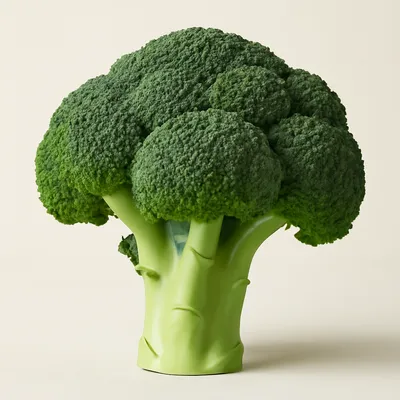
Transfer pork to individual ceramic bowls or a serving platter, skin-side up. Spoon remaining sauce over and serve immediately, accompanied by blanched broccoli or steamed rice.
Archive tool suggestions — not reviewed
These legacy suggestions have not been evidence-reviewed and are not presented as required tools.



