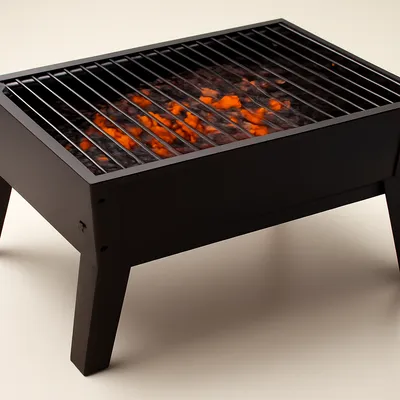
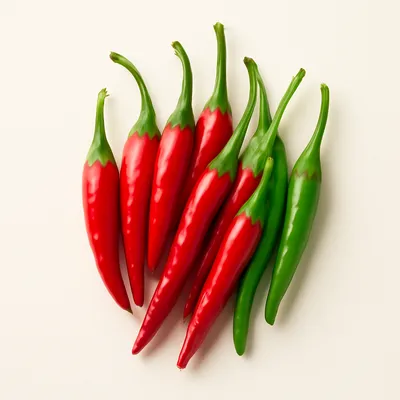
The definitive Dai open-fire technique: fish, tofu, or meat is seasoned with lemongrass, bird's eye chili, and Dai herbs, wrapped tightly in banana leaf parcels, and slow-grilled over charcoal embers. The leaf chars and smokes, infusing the food with a verdant, woody fragrance impossible to replicate with any metal pan.

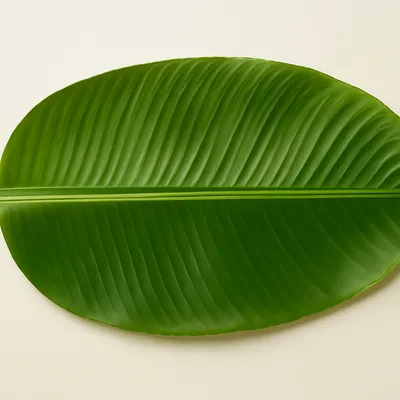


Banana-leaf wrapping is one of the oldest cooking techniques among the Dai people of Xishuangbanna, shared with related Tai peoples across the Mekong basin — Lanna Thai, Shan, and Lao cooks all employ analogous banana-leaf parcels over open fire. The technique predates the widespread availability of metal cookware and reflects the forest ecology of the region: banana trees grow year-round in abundance, and broad, waterproof leaves served simultaneously as wrapper, steamer, and serving plate. Yunnan local gazetteers (地方志) describing Xishuangbanna Dai life record forest-cooking methods using leaves as wrappers over open flame, and ethnological studies of Dai culture document banana-leaf cooking as central to both daily meals and ceremonial feasts — a living culinary tradition maintained without interruption.
Unwrapping the charred parcel at the table releases a billow of steam carrying the singular scent of scorched banana leaf — grassy, faintly smoky, tropical green; inside, the fish is steamed-tender and infused with lemongrass brightness and chili heat, herb-fragrant juices pooled in the fold.
Banana leaf acts as a dual-action cooking vessel: its natural wax coating and tight folding trap internal moisture, effectively steaming the food at around 100°C, while the outer leaf surface is simultaneously exposed to charcoal temperatures of 250–400°C. As the leaf chars, it releases green leaf volatiles — primarily (E)-2-hexenal and hexanal, short-chain aldehydes produced by enzymatic lipid oxidation in the leaf tissue — which permeate the food with a fresh-green, woody aroma unique to this method. Lemongrass is rich in citral (a blend of the monoterpene aldehydes geranial and neral), which provides both the intense citrus-floral fragrance and mild antimicrobial activity — a natural food-safety function in the pre-refrigeration context of traditional Dai cooking.
Variations
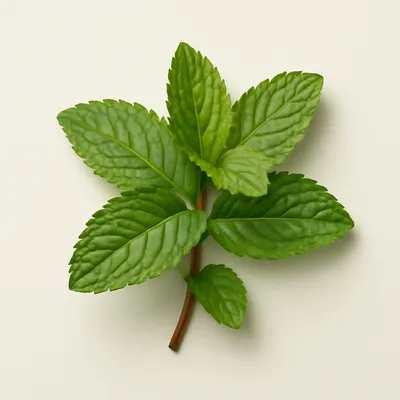
The most beloved filling is river fish with lemongrass; 'tofu banana-leaf wrap' (豆腐包烧) with mint and Vietnamese coriander is equally common in Dai households. Pork or beef can replace fish; bamboo shoots and wild mushrooms fill vegetarian versions. Urban Yunnan restaurants sometimes substitute aluminum foil for banana leaf — the heat transfer is similar but the volatile leaf aromatics are entirely lost.
On the Palate
Where Dai Banana-Leaf Wrapped Grill sits in the Chinese flavor cloud
Ingredients
Serves 4

How it's made
7 steps · 20 min
- 110 min
Select fresh, large banana leaves; briefly pass each leaf over a gas flame or dip in boiling water for 10 seconds to soften without cracking, then wipe dry.
Watch outPass the leaf over the flame just until it turns glossy and limp — a second too long and it scorches; too little and it splits when you fold.
- 25 min
Cut fish into 2 cm thick steaks; season with salt and allow to rest for 5 minutes while you prepare the herbs.
- 310 min
Pound lemongrass stalks lightly to release oils, then finely chop; slice bird's eye chilies into rounds; roughly chop mint, Vietnamese coriander, and cilantro; combine all herbs with the fish and toss to coat.
- 410 min
Lay a softened banana leaf flat, place one portion of herb-coated fish in the center, fold the leaf over, tuck in the sides, and fold the ends over to seal; secure with a toothpick or a strip of leaf.
- 520 min
Light the charcoal and wait until it is fully ashed over and glowing red with no active flame — this takes about 20 minutes.
Watch outWait until the coals are all cloaked in grey ash and glowing red with no lick of flame — open flame chars the leaf to nothing before the fish cooks.
- 630 min
Place parcels directly on the charcoal grate and grill for 12–15 minutes per side, pressing the parcel gently with tongs; the leaf will darken and char but must not burn through.
Watch outThe leaf should blacken and smoke but stay whole — if it burns through, the moisture escapes and the fish steams dry, so shift the parcel off the hottest spot.
- 75 min
Remove from heat, rest for 2 minutes, then bring the intact charred parcel to the table and open it at the last moment to release the full aroma.
Archive tool suggestions — not reviewed
These legacy suggestions have not been evidence-reviewed and are not presented as required tools.