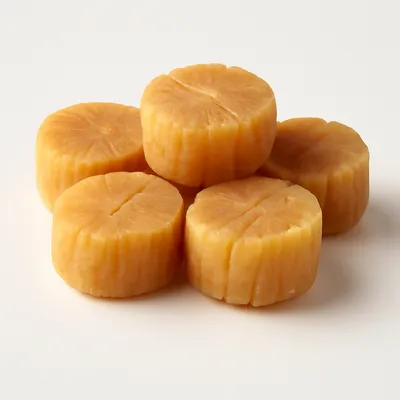
A Tan Family Cuisine masterpiece — fish maw (dried swim bladder) braised for six hours in a master stock of old hen, Jinhua ham, and dried scallops, sealed with chicken oil until the sauce turns gold and clings like lacquer. Born from the private kitchen of a Qing dynasty court scholar, this dish has fed dignitaries at Beijing Hotel since 1958.



Tan Family Cuisine traces to Tan Zongjun (1846-1888), a Guangdong scholar who passed the imperial examination as Bangyan (second place) in 1874 and joined the Hanlin Academy in Beijing. A devoted gastronome, he blended Cantonese and northern court cooking in his private banquets at Yangrou Hutong. After Tan's death, his son Tan Zhuanqing moved the household to Mishi Hutong near Caishikou around 1909 and quietly opened the dinners to paying guests. The original dish, Yellow-Braised Shark Fin, used whole luson yellow fins braised six hours; painter Zhang Daqian famously had freshly cooked portions airlifted to Nanjing. When the Tan Kitchen relocated to Beijing Hotel in October 1958, fish maw was substituted for shark fin — the renamed Braised Fish Maw has remained on the hotel's high-protocol reception menu ever since.
The fish maw gives way like warm butter — silky tubes of collagen holding the golden broth inside each fold. There is a lingering savory sweetness with no trace of fishiness, and the sauce coats the lips like a warm handshake.
Fish maw is dried swim bladder, roughly 70% collagen by dry weight. Six hours of gentle braising at 85-90 degrees C hydrolyzes collagen chains into gelatin, which fills the maw's porous fiber matrix and binds the braising liquid into a silky, clingy sauce. Chicken oil seals the surface, slowing evaporation and creating the characteristic golden sheen. Dried scallops contribute glutamates and Jinhua ham supplies inosinate; these two umami compounds synergize — their combined effect is several times stronger than either alone — producing the deep savory base that defines the dish.
Variations
Beijing Hotel's Tan Cuisine restaurant still offers the original Yellow-Braised Shark Fin for special occasions; some chefs substitute rehydrated sea cucumber for fish maw; Cantonese-influenced adaptations add a spoonful of oyster sauce in the final reduction for extra depth.
On the Palate
Where Slow-Braised Fish Maw sits in the Chinese flavor cloud
Ingredients
Serves 4

How it's made
7 steps · 1 hour 15 min
- 165 min
Soak dried fish maw in cold water for 1 hour until pliable; transfer to boiling water and blanch 3 minutes to remove impurities; drain and rinse.
- 2185 min
Build the master stock: combine old hen, duck carcass, Jinhua ham pieces, and dried scallops in 3 liters of cold water; bring to a boil, skim foam, then reduce to a very low simmer for 3 hours; strain clear.
Watch outSimmer the master stock very low three hours and strain it clear — a rolling boil clouds it, and this clear base carries the whole dish.
- 35 min
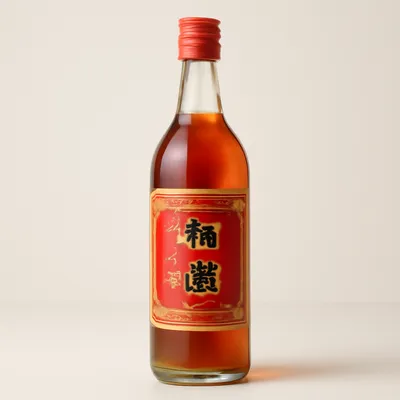
Arrange blanched fish maw in a heavy clay pot; pour master stock over to just cover; add Shaoxing wine, rock sugar, and ginger slices.
- 4270 min
Bring to a gentle boil, cover tightly, reduce to the lowest simmer possible; braise for 4-5 hours, checking every hour and topping with stock as liquid reduces.
Watch outBraise the maw four to five hours on the lowest simmer, topping up stock — this slowly turns its collagen into a silky, clinging sauce.
- 520 min
Uncover and raise heat to medium; reduce the sauce until it coats the back of a spoon, swirling in cold chicken oil continuously to emulsify and build gloss.
Watch outReduce until it coats the spoon, swirling in cold chicken oil to emulsify — this builds the golden gloss without breaking the sauce.
- 65 min
Taste and adjust salt; if needed, thicken with a small slurry of water starch; gently plate the fish maw without breaking its structure.
- 72 min
Spoon the golden sauce over the plated fish maw; garnish with fine threads of Jinhua ham; serve immediately.
Archive tool suggestions — not reviewed
These legacy suggestions have not been evidence-reviewed and are not presented as required tools.



