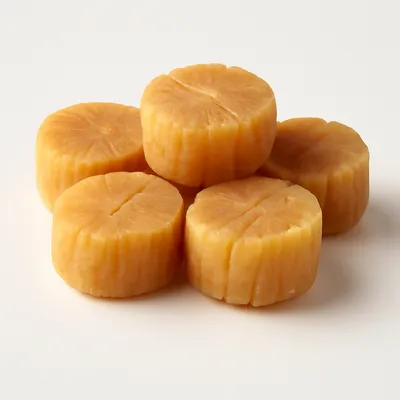
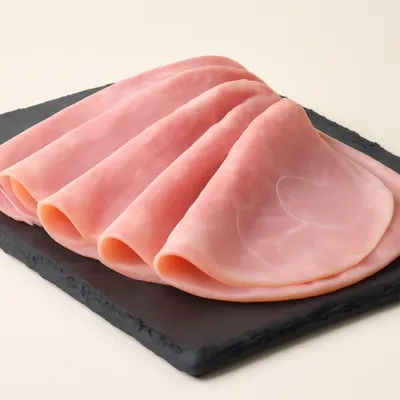
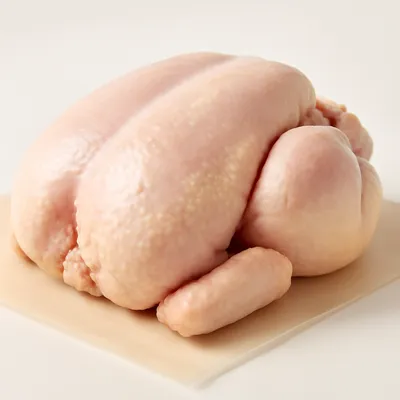
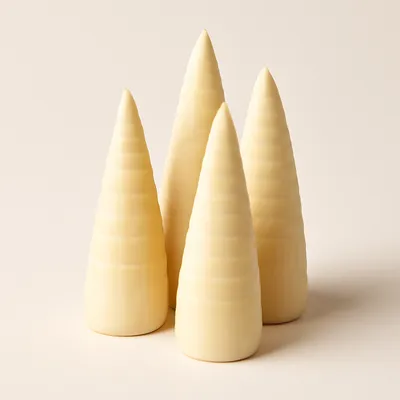
A flagship of the Zhili viceroy's banquet cuisine (直隶官府菜) seated in Baoding, Hebei — a deliberate, refined braise of premium ingredients rather than a hodgepodge of scraps. Rehydrated sea cucumber, fish maw, dried scallop, and ham are simmered with chicken and bamboo shoot in a long-stocked broth, seasoned with Baoding's prized Huaimao sweet wheat-paste. The cooked ingredients are neatly arrayed skin-down in a bowl, steamed to fuse the flavors, then inverted onto a plate and finished with a clear starch glaze. Despite sharing its namesake and the za-hui braise family with the famous Anhui hodgepodge, this is the Baoding-banquet form: composed, sauce-fragrant, and built around the official kitchen's mastery of stock.


Named for Li Hongzhang (1823–1901), the late-Qing statesman who served more than two decades as Viceroy of Zhili and Minister of Beiyang, seated at the viceroy's yamen (直隶总督署) in Baoding. As the story is told in Baoding, after Li returned from his 1896 tour of Europe and America — months of unfamiliar Western food — he complained to his household steward Dong Maoshan that he missed home cooking; Dong and his junior Wang Xirui worked up a refined banquet braise on the local tradition of stew-braising, selecting sea cucumber, shark's fin, deer tendon and the like, with Ansu tribute cabbage, tofu and broad noodles, all seasoned with Baoding's Huaimao sweet wheat-paste. It was served at the East Flower Hall (东花厅) of the viceroy's yamen, Li praised it, and the official kitchen settled on the name 'Li Hongzhang's braised medley.' It is a canonical dish of the Zhili viceroy's banquet cuisine, whose cooking craft was listed as a provincial intangible-heritage in 2006 and a national one in 2011. The specific attribution to Dong and Wang rests on the Baoding banquet-house lineage rather than a dated record, so it is best read as tradition; what is firmly documented is the dish's place within the 直隶官府菜 school and its share of the za-hui braise family with the better-known Anhui hodgepodge.
A glossy domed mound, inverted from the steaming bowl onto a wide plate: sea cucumber and fish maw on top, then layered scallop, ham, chicken and bamboo shoot, all sheathed in a clear amber glaze. Every spoonful is a different texture — the sea cucumber slippery and yielding, the fish maw soft and spongy with soaked-up broth, the ham firm and salt-savory, the bamboo crisp. The sweet wheat-paste lends a deep, faintly sweet sauce-fragrance over the long-stocked savor. The luxury is in the harmony: no single ingredient shouts, but each has drunk in the same rich broth.
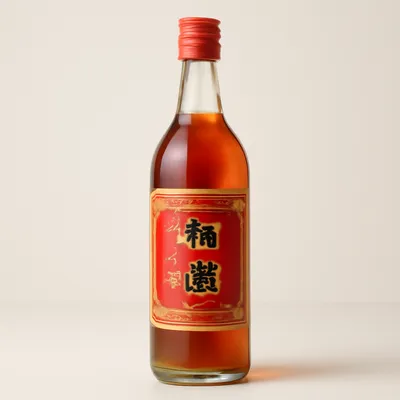
The braise rests on three things: rehydrating the dried seafood, the stock, and the final glaze. Dried sea cucumber and fish maw are sponges with almost no flavor of their own — they are slowly rehydrated in repeated changes of clean water (the sea cucumber over days, kept scrupulously free of oil and salt so the collagen swells fully and stays clean-tasting), then poached to purge any off-smell. The flavor work is done by a long-simmered chicken-and-ham stock, into which the soaked ingredients drink as they braise; substitute plain water and the costly ingredients taste of nothing. Baoding's Huaimao sweet wheat-paste, fermented for months, folds in a malty sauce-fragrance and a touch of sweetness that rounds the salt. Because the ingredients differ in firmness, they are par-cooked and sliced separately, then arrayed in a bowl and steamed so the flavors fuse to one. A thin starch glaze finishes it: too much and it turns gluey, too little and the ingredients sit loose in the broth — the right film binds sauce to ingredient so the whole reads as one composed dish.
Variations
The viceroy-yamen banquet form keeps the luxury roster — sea cucumber, fish maw, scallop, ham, chicken — composed in a bowl and inverted; some renditions still cite the old extravagant additions of shark's fin and deer tendon. A heartier 'official-residence' home version drops the rarest seafood and leans on Ansu cabbage, tofu and broad noodles braised with the sweet wheat-paste, closer to a rich Baoding-style stew-braise. Restaurants outside Hebei sometimes blur it back toward the Anhui hodgepodge, dropping the wheat-paste and the inverted plating; purists in Baoding insist on the Huaimao paste and the steamed, inverted dome as the marks of the 直隶官府 version.
On the Palate
Where Li Hongzhang's Braised Medley sits in the Chinese flavor cloud
Ingredients
Serves 8

How it's made
8 steps · 1 day
- 12880 min
Rehydrate dried sea cucumber and fish maw over several days in repeated changes of clean cold water, kept free of oil and salt, until fully swollen and supple; rinse and reserve.
Watch outRehydrate the sea cucumber in oil-free, salt-free water — a trace of grease and it won't swell fully or purge clean.
- 290 min
Build a rich stock by long-simmering chicken and ham (with ginger and scallion) until deeply savory; strain and set aside.
- 312 min
Blanch the sea cucumber, fish maw, and bamboo shoot briefly to purge any off-smell; slice them, the ham, and the cooked chicken into neat pieces.
- 420 min
Steam the dried scallop with ginger, scallion, and Shaoxing wine until tender, then break into shreds.
- 56 min
Lightly fry the Huaimao sweet wheat-paste in a little oil until fragrant, then pour in the chicken-and-ham stock and bring to a gentle simmer.
- 618 min
Add the sliced sea cucumber, fish maw, ham, chicken, scallop, and bamboo shoot; braise gently so every ingredient drinks in the broth and the flavors unify.
Watch outBraise gently so each piece drinks in the stock — with plain water these costly ingredients taste of nothing; the flavor has to soak in.
- 712 min
Arrange the braised ingredients skin-down in a bowl in an orderly pattern, pour over the braising broth, and steam for about ten minutes to fuse the flavors.
- 86 min
Invert the bowl onto a serving plate, drain the broth back into the wok, thicken it into a thin clear glaze, and pour it evenly over the domed medley.
Archive tool suggestions — not reviewed
These legacy suggestions have not been evidence-reviewed and are not presented as required tools.



