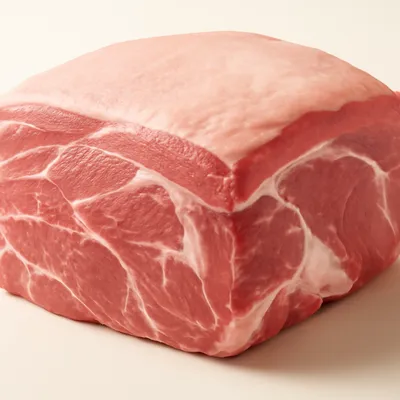
Large bone-in chunks of pork shoulder and loin lacquered in caramelized sugar, then transferred to an unglazed ceramic crock and braised low and slow through three descending stages of heat — a Shenyang heirloom recipe that produces golden, gelatinous pork with none of the metallic edge of iron-pot cooking.




The most widely cited founding account traces the dish to around 1918, when a Tianjin native named Li Xuexin is said to have fled poverty and settled in Tieling, Liaoning, opening a small braised-pork stall. Cooking in iron pots left the cooled meat with a metallic aftertaste that drove customers away, so he switched to unglazed ceramic crocks — the clay's mild porosity allowed gentle, even heat and imparted none of the iron taint. Business reversed course; Li is said to have renamed the stall Li Ji Tanrou Guan. The dish's two defining techniques — pulling a sugar-color glaze before crocking, and a three-stage flame descent from high to medium to low — spread across Shenyang and became the city's most recognized pork preparation.
A deep amber chunk of pork yields almost without resistance — the fat has been coaxed to translucent softness, the lean runs with broth. A lingering soy-caramel note coats the finish, and the broth is thick enough to set lightly when cooled.
The three-stage fire descent is the core technique. High heat in the initial sear triggers Maillard browning and caramelizes the added sugar, building aromatic pyrazine and furfural compounds that seal the surface in a lacquer glaze. As heat drops to medium, collagen in connective tissue begins converting to gelatin at roughly 70–80°C. The final micro-flame holds temperature just above 80°C for an extended period, completing gelatin conversion while keeping internal fat globules partially intact rather than fully rendered — so fatty sections remain silky rather than greasy. The ceramic crock's low thermal conductivity distributes this gentle heat evenly across all surfaces without hot spots.
Variations
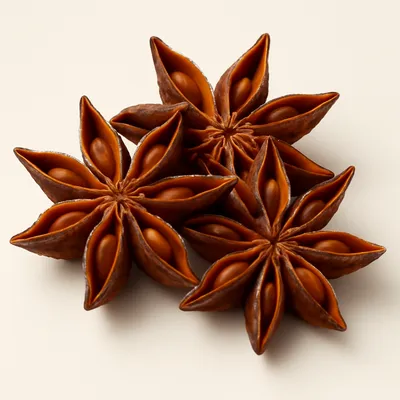
Tieling original: plain water braising with scallion and ginger only, letting the pork speak. Soy-master-stock variant: dark soy sauce, rock sugar, and star anise added for a richer, darker base. Home pressure-cooker version: passive time cut to 40 minutes but the layered gelatin texture is partly sacrificed. Some cooks add blanched quail eggs or tofu skin in the final 20 minutes to absorb the broth.
On the Palate
Where Shenyang Crock-Braised Pork sits in the Chinese flavor cloud
Ingredients
Serves 4

How it's made
7 steps · 30 min
- 115 min
Trim pork shoulder and loin into large 8 cm chunks; blanch in cold-start water, bring to boil, skim foam, drain and pat dry.
- 25 min
Heat oil in a wok over high heat; add rock sugar and stir continuously until it melts to a deep amber caramel.
Watch outPull the caramel the instant it turns deep amber — a shade past and it tips bitter, taking the whole braise down with it.
- 35 min
Add drained pork pieces; toss over high heat until each piece is evenly lacquered golden-brown with the caramel glaze.
Watch outKeep the pieces moving until every side is glossy golden — bare spots won't take on color later once the liquid goes in.
- 43 min
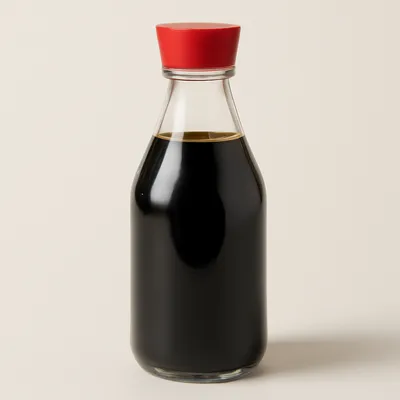
Transfer glazed pork to an unglazed ceramic crock; add scallion, ginger, star anise, soy sauce, and enough hot water to just cover.
- 55 min
Place crock over high heat; bring to a full boil; skim any remaining foam.
- 6120 min
Reduce to medium-low heat; cover crock and simmer 1 hour; reduce again to the lowest possible heat and continue 1 more hour.
Watch outHold the pot at a bare tremble, not a boil — hard bubbles toughen the lean and cloud the sauce; you want the surface just shivering.
- 710 min
Uncover; raise heat briefly to reduce the braising liquid to a glossy coating sauce; taste and adjust seasoning; serve directly from the crock.
Archive tool suggestions — not reviewed
These legacy suggestions have not been evidence-reviewed and are not presented as required tools.


