A duck and a squab, braised to deep lacquered crimson and placed together on a platter—the larger bird cradling the smaller in a single tableau of dynastic privilege. The name evokes the Kongfu hereditary right to bring sons to the imperial court alongside their fathers, a visual metaphor for an unbroken line of descent stretching from Confucius into the Qing dynasty.



The dish is associated with Kong Lingyi, the 76th-generation descendant of Confucius and last holder of the Duke Yansheng title under the Qing court. According to Kongfu historical records, Kong Lingyi's family made a journey to Beijing to pay respects at the Qing court and received special imperial favor. Upon their return to Qufu, a celebratory feast was ordered, and the head cook conceived a duck-and-pigeon dish whose plating symbolized the family's carrying-children-to-court privilege—one of the rare honors that set the Kongfu apart from all other aristocratic households in China.
Duck, richer and more yielding, contrasts with pigeon's firmer, gamier flesh; both are lacquered in a deeply savory glaze of reduced braising liquid—all weight on the palate, no excess on the plate.
Both duck and pigeon are first deep-fried to Maillard-brown the surface proteins and lock in juices, then long-braised. Duck fat (primarily oleic acid) and pigeon collagen require different times to fully break down; the pigeon is added partway through braising to prevent over-tenderization. The final caramelized sugar glaze provides the characteristic deep lacquer color through non-enzymatic browning of sucrose, coating the surface proteins in a thin sweet-savory film.
Variations
Modern restaurants sometimes substitute quail for the squab pigeon for smaller portions. One documented variation adds dried tangerine peel to the braising liquid for a subtle citrus aromatic that cuts the richness of the duck fat.
On the Palate
Where Carrying-Son-to-Court Duck and Pigeon sits in the Chinese flavor cloud
Ingredients
Serves 6


How it's made
6 steps · 50 min active + 1 hour 10 min waiting
- 130 min
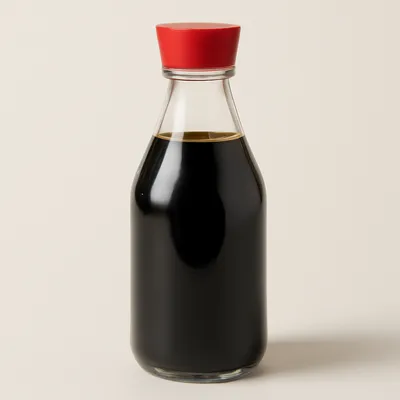
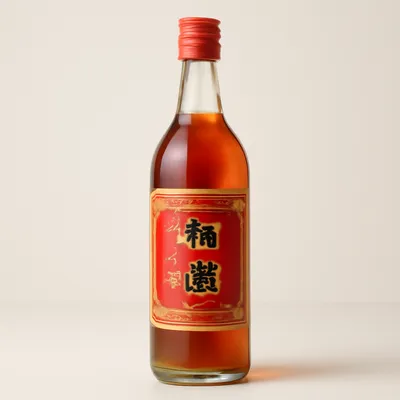
Marinate the birds: Clean both duck and pigeon. Marinate separately with Shaoxing wine, dark soy sauce, and salt for 30 minutes, turning once.
- 28 min
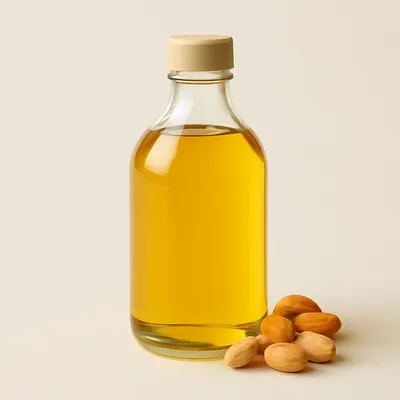
Deep-fry for color: Heat peanut oil in a wok to 180°C. Deep-fry the duck, basting with hot oil, until the skin is deep reddish-brown and blistered, about 4–5 minutes. Remove and drain. Fry the pigeon similarly for 3 minutes.
Watch outBaste with the hot oil and fry until the skin blisters deep reddish-brown — that seared crust locks the juices in before braising.
- 35 min
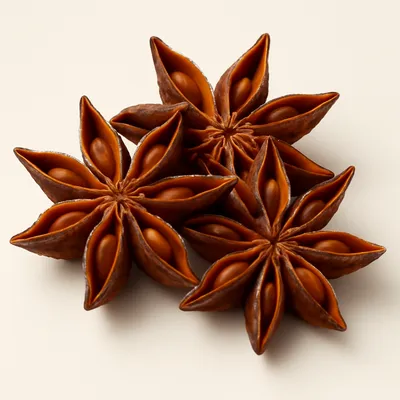
Build the braising liquid: In a clean wok, heat a tablespoon of reserved oil. Fry rock sugar until it turns amber caramel. Add scallions, ginger, and star anise; stir briefly. Deglaze with Shaoxing wine, then add dark soy sauce and chicken stock.
Watch outWatch the rock sugar closely and pull it at amber — a shade past and it scorches bitter and darkens the whole braise.
- 440 min
Braise the duck: Add the fried duck to the braising liquid. Bring to a boil, then reduce to a gentle simmer. Cover and cook for 40 minutes, turning twice.
- 532 min
Add the pigeon and finish: Nestle the fried pigeon alongside the duck. Continue simmering, covered, for 30 more minutes. Remove the lid and increase heat to reduce the sauce to a thick, glossy glaze.
Watch outAdd the pigeon partway through so it doesn't overcook — the smaller bird turns to mush if it braises as long as the duck.
- 65 min
Plate ceremonially: Lift the duck onto a large platter first. Place the pigeon alongside so that the smaller bird appears nestled against the larger. Spoon the reduced sauce over both and serve immediately.


