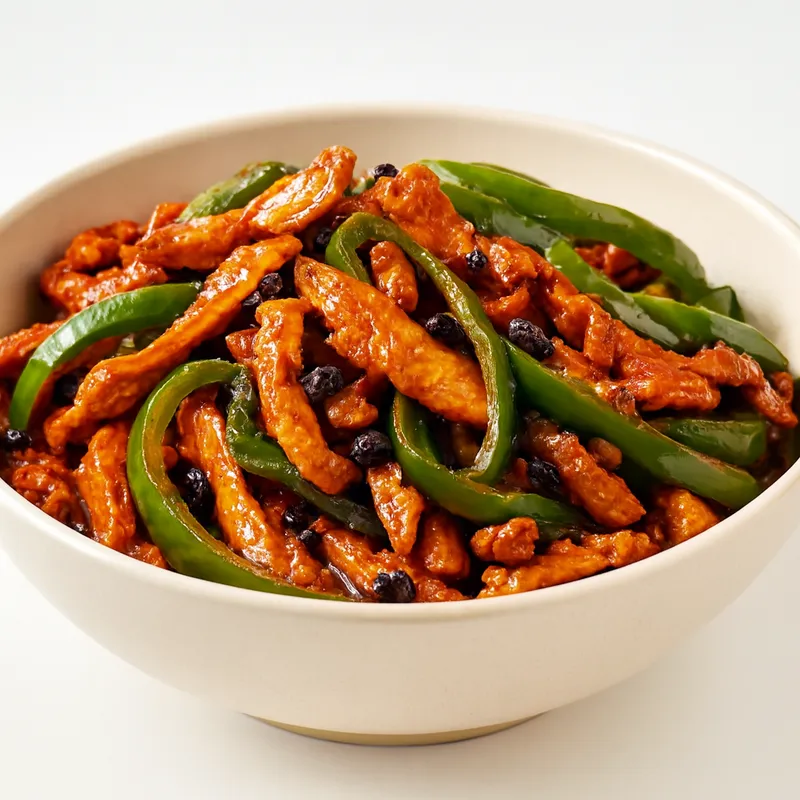
The pan-fried dumpling, and not merely a fried jiaozi: a raw-wrapped, open-ended crescent set straight into a hot oiled pan, splashed with a thin flour-water slurry, covered to steam through, then crisped into a lacquered golden base. Soft pleated top, shatteringly crisp bottom, juicy pork inside. Eaten browned-side up with vinegar and slivered ginger.



The potsticker's exact origin is undocumented; the various legends offered to fill the gap are no more than that. What defines guotie is its build, and on that the record is clear: unlike the plump, fully sealed jiaozi, a true potsticker is left open at both ends, wrapped raw, and never flipped. That open-ended, pan-crisped form is also the ancestor of Japan's gyoza — pan-fried dumplings carried home after the Second World War by some of the million-plus Japanese repatriated from Manchuria (China's northeast), who from the late 1940s made the dish a local favourite around the garrison town of Utsunomiya and, in time, a national one.
The pleasure is the split between two textures in one bite. The base is fried hard and dark gold — crackly, almost like a thin wafer — while the top stays pale and soft, steamed under the lid. Through the thin scorched skin comes a mouthful of juicy, hot pork. Cooked in a connected row, the slurry sets between the dumplings into a lacy crystalline skirt, thin and crisp and toasty. Drag through black vinegar with slivered ginger, or a touch of chili oil.
The potsticker runs three cooking methods in sequence in one pan. First a dry sear: the base meets the hot oiled metal at roughly 150 to 180 degrees, where proteins and sugars brown through the Maillard reaction — the start of the crisp golden crust. Then the slurry goes in and the lid goes on, and the pan becomes a steamer: water boiling at about 100 degrees drives steam up to cook the soft top and, crucially, to cook the raw filling through — the open ends let the steam reach the meat, which is why a potsticker must be watered and never simply dry-fried. Finally the water boils off, the heat climbs again, and the residual flour starch gelatinises, loses its water and dextrinises, setting into the crisp lacy skirt; dropping to the lowest flame at the end evaporates the last moisture without tipping crisp into burnt. Flour slurry browns more deeply than pure starch because its protein feeds the Maillard reaction; cornstarch gives a finer, thinner lace. A heavy flat pan with an even film of oil keeps the whole base browning in step.
Variations
Carried to its showy extreme, the slurry becomes the ice-flower dumpling, where a whole connected sheet of crisp lace binds the row and is flipped out onto the plate like a skirt of frost. Guotie should not be confused with shengjian or shuijianbao — those are leavened, thicker-skinned buns crisped in the pan, a different category from the unleavened dumpling wrapper. Fillings follow the usual roster: pork-and-napa, pork-and-chive, three-fresh with shrimp, and the beef potstickers made famous by Taiwan's dumpling chains. By region the Tianjin version is long and folded like a dailianhuoshao, while in the southern rice country the shape drifts closer to a rounded pan-fried jiaozi.
On the Palate
Where Guotie sits in the Chinese flavor cloud
Ingredients
Serves 4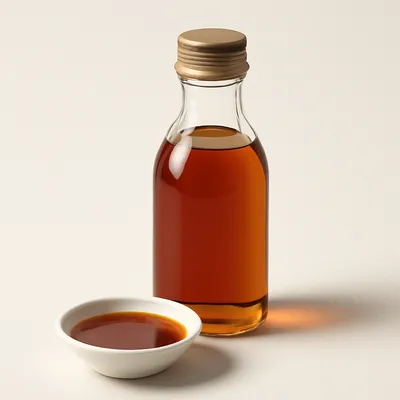

How it's made
8 steps · 45 min active + 30 min waiting
- 135 min
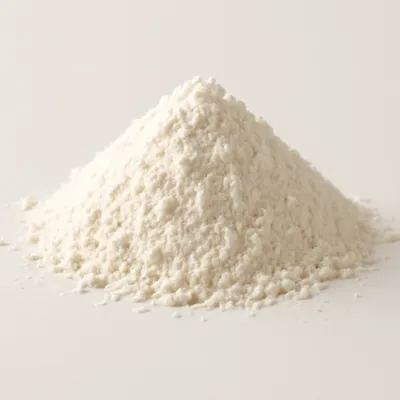
Make a warm-water dough: stir 300 g plain flour with about 165 ml warm water until shaggy, knead until smooth, cover and rest 30 minutes. (Warm water keeps the thin skin pliable so it resists tearing through the long fry.)
- 212 min
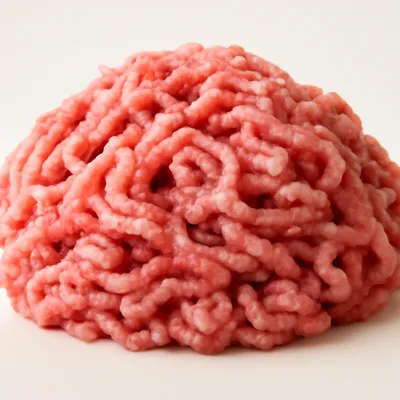
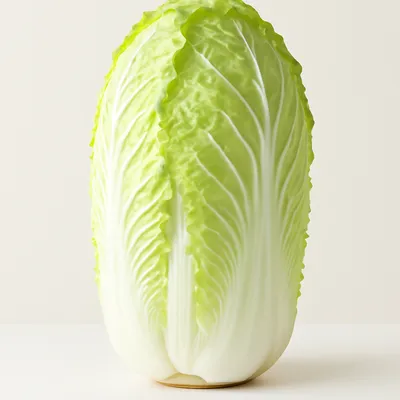
Mix the filling: combine 300 g fatty ground pork with 300 g finely chopped napa cabbage that has been salted, wrung dry, ginger, scallion, soy sauce, white pepper and sesame oil. Stir one direction until cohesive.
- 318 min
Roll the dough into oval wrappers a touch thinner than jiaozi skins. Place filling along the centre, pinch the middle closed, and leave both ends open.
- 42 min
Stir a thin slurry of 1 tablespoon flour into about 200 ml water and set aside.
- 54 min
Brush a heavy flat pan with a little oil over medium heat. Line the potstickers up in a tidy row and fry about 1 minute until the bases set and turn pale gold.
Watch outFry the bases about a minute first until they set and turn pale gold — this locks in the crust that the later steam would otherwise soften away.
- 68 min
Pour in the slurry to about a third up the dumplings, cover, and let steam over medium-low for 6 to 8 minutes until the filling is cooked through.
Watch outPour the slurry to about a third up the dumplings and keep the lid on — the open ends need that steam to cook the raw filling through.
- 74 min
When the water has nearly gone, drop to the lowest flame and let the base fry on until the slurry sets into a crisp lacy crust and the bottom is deep gold.
Watch outWhen the water's nearly gone, drop to the lowest flame and listen — let the slurry crackle into a lacy crust and the bottom go deep gold, but pull before it smells of scorch.
- 82 min
Invert onto a plate so the crisp side faces up. Serve with black vinegar and slivered ginger.