
A classic Fuzhou dish of Fujian (Min) cuisine, long counted among the city's traditional banquet and festival staples. Pork ribs are chopped into pieces, marinated, dredged in starch and deep-fried until the shell is crisp, then tossed off the heat in a sweet-sour, garlicky sauce. The name 'drunken' refers not to soaking raw meat in liquor but to the finishing method and the winey aroma of the sauce: the dressing is poured straight onto the hot fried ribs rather than simmered in the wok, steeping them as if pickled-drunk. The traditional Fuzhou version is built on red fermented rice lees (hongzao), which carries the local rice-wine fragrance and a natural red colour; many modern versions use a tomato-and-vinegar sweet-sour sauce instead. The ribs end up crisp outside, tender at the bone, the sauce orange-red, sweet-sour and faintly spicy.



The dish belongs to the Fuzhou (Min) culinary tradition and is widely listed among Fuzhou's traditional famous dishes; its exact inventor and date are unrecorded. It is firmly local rather than imported: ribs deep-fried and then dressed off the heat became a fixture of Fuzhou home banquets and New Year tables, the ribs read as 'rising joint by joint' (jie-jie gao) and the red sauce as auspicious. The name turns on the word 'drunken' (zui): contemporary Fuzhou food writing explains it two ways that reinforce each other, the 'zui method' of steeping the hot fried ribs directly in an unsimmered sauce so they soak it up as if pickled-drunk, and the heady, wine-like fragrance of the dressing, originally from red fermented rice lees (hongzao). Hongzao itself is a signature of Min cuisine, the lees left from brewing Fujian's qinghong rice wine, prized for deodorising, preserving and adding a fermented red colour and aroma; it is the older, more distinctly Fuzhou base for the sauce, while the tomato-ketchup sweet-sour style is a later, now very common substitution.
Bite through a piece and the shell cracks first, a thin fried crust still audibly crisp under the sauce, then gives way to meat that pulls cleanly and tender off the rib bone. The dressing clings as a glossy orange-red film rather than a puddle, so each piece is coated, not drowned: sweet up front, a sharp vinegar tang behind it, garlic and a faint chilli warmth, and, in a hongzao version, a low winey, fermented note underneath. Eaten straight away the contrast is the whole point, brittle outside against juicy inside. Let the platter sit and the sauce slowly soaks in, the crust softens and the dish slides from crisp-and-saucy toward simply tender and sticky, which is the usual price of a good steep done too far ahead.
The texture rests on two stages. First the fry: ribs are marinated (soy, rice wine, ginger, garlic, five-spice, sometimes a pinch of baking soda to loosen the protein) then dredged in starch and fried, ideally twice, the second pass into hotter oil so the surface dehydrates into a hard, glassy crust while the meat stays juicy. Then the dress, and this is the 'drunken' trick: the sweet-sour sauce is not boiled with the ribs in the wok but mixed and poured on off or very low heat, then the ribs are tossed and briefly covered. Cooking ribs in a wet simmering sauce would steam the crust soft; dressing them with a just-warm sauce coats the surface like a glaze that clings without soaking, so the shell stays crisp while taking on flavour, the point of every good sweet-sour fried dish. The colour and aroma of the traditional version come from hongzao: red fermented rice cultured with the mould Monascus, which produces red pigments (monascins) and aromatic esters during fermentation, giving the sauce its natural red and its wine-lees fragrance, where the modern shortcut leans on tomato paste for colour and vinegar plus sugar for the sweet-sour balance.
Variations
The main split is the sauce. The older, distinctly Fuzhou version is built on red fermented rice lees (hongzao) for its winey aroma and natural red; the now-common modern version uses a tomato-paste-and-vinegar sweet-sour sauce, sometimes brightened with a squeeze of orange or a little chilli, and some cooks add curry powder or sesame paste. The cut varies too: classically chopped rib pieces on the bone, but many home and restaurant versions use boneless pork loin (lirou) for an easier, all-meat bite, blurring the line with sweet-sour pork. Beyond the off-heat toss, some cooks lean harder into the 'drunken' idea and steep the fried ribs in the cold sauce for several hours or overnight, deliberately letting the crust soften so the meat drinks up more flavour, a chilled, deeper-marinated style rather than the crisp just-dressed one.
On the Palate
Where Drunken Spareribs sits in the Chinese flavor cloud
Ingredients
Serves 4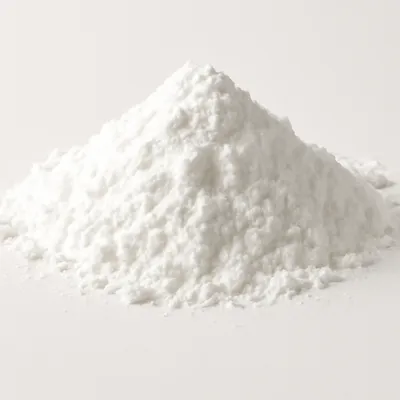
How it's made
6 steps · 20 min
- 135 min
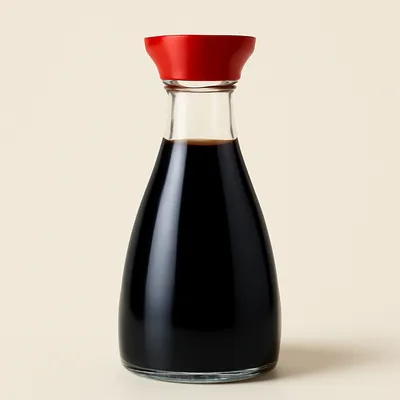
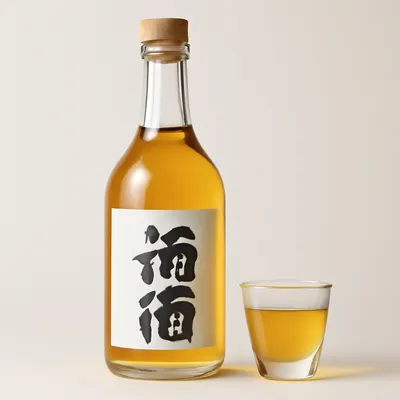
Chop about 600 g pork ribs into bite-size pieces and rinse off bone chips. Marinate at least 30 minutes (up to a few hours) with soy sauce, rice wine, smashed ginger and garlic, a little five-spice and, if you like, a small pinch of baking soda to tenderise.
- 28 min
Drain the ribs and dredge thoroughly in cornstarch (or sweet potato starch), pressing so each piece is fully coated; shake off the excess.
- 38 min
Heat oil to about 60 percent (around 170 to 180 C) and fry the ribs in batches until pale gold and cooked through; lift out and let them rest while the oil reheats.
Watch outFirst fry at around 170-180 degrees just to pale gold and cooked through, then rest — this stage cooks the meat without coloring the crust yet.
- 43 min
Raise the oil hotter and fry a second time for under a minute until deep gold and hard-crisp; drain well. The double fry sets a crust that will survive the sauce.
Watch outReheat the oil hotter and fry a second time under a minute to deep gold and hard-crisp — the double fry sets a shell tough enough to survive the sauce.
- 55 min
Make the sauce off the heat (or on the lowest flame): for the modern style, mix tomato paste, sugar, vinegar, a splash of soy and minced garlic; for the traditional style, use red fermented rice lees (hongzao) with rice wine, sugar and vinegar. Do not boil it hard with the ribs.
- 63 min
Add the hot ribs to the warm sauce, toss quickly to coat every piece in a glossy film, cover for a few seconds to let them steep, then serve at once while the shell is still crisp.
Watch outToss the hot ribs in the warm sauce off the heat, just to coat in a glossy film — simmer them in the sauce and the steam softens the crust to mush.


