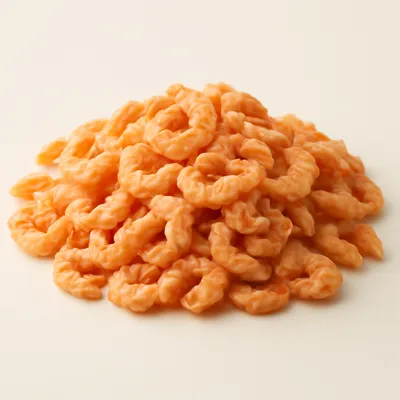
A cool, dressed rice noodle from Lingshui in southeastern Hainan, and the island's emblem of sourness. Unlike the other famous Hainan noodles, it is never served in broth: fine rice noodles are tossed at room temperature with a heap of dried seafood and a sour-sweet-spicy dressing. The signature toppings are dried sandworm, fish cake, shredded dried squid, and small dried fish, fried crisp, along with peanuts, chives or water spinach, and coriander. Over this go two sauces — a rice-vinegar dressing for the sour-sweet lift and a starch-thickened savory gravy that coats the strands — finished with a spoon of Hainan yellow-lantern chili sauce. The result is sour, hot, sweet, and fragrant all at once, with more topping than noodle.



Lingshui Sour Rice Noodles come from Lingshui Li Autonomous County in Hainan, where, by local tradition, the dish was first made in the village of Anma in Yelin Town; the surviving craft is carried by the Hu family, whose member Hu Shiguang is recognized as a provincial inheritor of the technique. The dish builds on the island's plain rice noodle but is said to have been transformed by adding dried-seafood toppings and a vinegar dressing, turning a savory noodle into a sour one and setting it far apart from the Haikou Hainan rice noodle. It is one of the 海南四大名粉, the island's four famous rice noodles, and is listed among Hainan's provincial-level intangible cultural heritage. The familiar origin story — that a Hu-surnamed villager created it in the late Qing and that the recipe later passed to a woman of the Wang family who added the seafood — is folk tradition; the documented thread is the surviving Hu lineage, and the precise date is unrecorded.
Eaten cool and never hot, it lands sour first — a clean rice-vinegar tang — then sweet, then the slow burn of the yellow-lantern chili, all carried on a savory gravy that clings to the fine strands. The pleasure is the contrast: soft, slippery noodle against the crunch of crisp-fried sandworm and small dried fish, the chew of fish cake and dried squid, the toasted snap of peanuts, the green bite of chives. A good bowl reads as one balanced sour-sweet-spicy whole, with enough seafood that the topping outweighs the noodle; a poor one is flatly sour with thin watery sauce, soggy under-fried seafood, or so much chili that the sour and sweet vanish.
The dish runs on dressing, not heat. The fine rice noodle is made by soaking and milling rice into a slurry that is extruded into boiling water to set, then cooled — the same family of technique as the plain Hainan noodle — so it stays soft and slippery and takes a dressing well. Two sauces do the work: a thin sour dressing built on rice vinegar, with garlic and ginger, supplies the sour-and-sweet edge, while a separate gravy thickened with flour and starch slurry and deepened with red fermented bean-curd paste, dark soy, and oyster sauce coats every strand with savor and body. The starch is what lets a cold, undressed-looking bowl still cling and carry flavor. Heat comes from Hainan's yellow-lantern chili, a local pepper prized for sharp fragrant heat. The dried seafood is deep-fried crisp before it goes on, for aroma and a textural counterpoint to the soft noodle. Although the modern sourness is simply vinegar, local accounts tie the name to an older noodle-making step in which soaked rice was left to ferment for a faint sour scent; that fermentation belongs to the origin story rather than to how the bowl is soured today.
Variations
Among the four Hainan noodles, Lingshui's is the cold, sour, seafood-heavy one. The Haikou Hainan rice noodle is fine and dry-tossed with a savory fermented-beancurd gravy; Wenchang's Baoluo noodle is coarse and round in a clear, faintly sweet bone broth; Wanning's Hou'an noodle is flat in a cloudy pork-offal broth heavy with white pepper. The dressing on the Lingshui bowl varies from stall to stall — some lean on calamansi alongside the vinegar, some push the chili harder, some add beef jerky, sesame, or water spinach to the standard sandworm, fish cake, squid, and dried fish — and each shop guards the proportions of its two sauces. Vendors stress 'more topping than noodle' as the mark of an honest bowl.
On the Palate
Where Lingshui Sour Rice Noodles sits in the Chinese flavor cloud
Ingredients
Serves 3


How it's made
7 steps · 30 min active + 10 min waiting
- 130 min
Make the fine rice noodles: soak and mill rice into a slurry, extrude it into boiling water to set, then lift out and cool; or use ready-made fine Hainan rice noodles.
- 26 min
Deep-fry the dried sandworm, small dried fish, and shredded dried squid until crisp and fragrant; slice the fish cake and fry peanuts crisp.
Watch outFry the dried seafood until crisp and fragrant — that crunch is the textural counterpoint to the soft noodles and won't come back if it goes soft.
- 34 min
Mix the sour dressing: rice vinegar with minced garlic, ginger juice, a little soy, salt, and sugar, balanced to a sour-sweet taste.
- 48 min
Make the savory gravy: simmer a thin stock with red fermented bean-curd paste, dark soy, and oyster sauce, then thicken with a flour-and-starch slurry to a glossy, clinging sauce; let it cool.
Watch outThicken the gravy until it's glossy and clings, then cool it — it needs enough body to coat every strand, not run off watery.
- 53 min
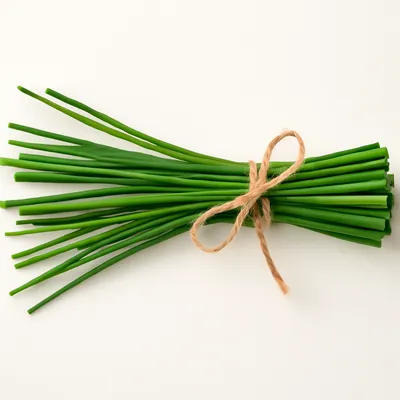
Blanch chives or water spinach briefly and drain; pile a portion of the rice noodles into a bowl at room temperature.
- 62 min
Heap the crisp seafood, fish cake, peanuts, chives, and coriander over the noodles.
- 72 min
Spoon over the savory gravy and the sour dressing, add a spoon of yellow-lantern chili sauce, and toss everything together before eating.
Archive tool suggestions — not reviewed
These legacy suggestions have not been evidence-reviewed and are not presented as required tools.