A centerpiece of Fuzhou banquet cuisine, served at weddings and New Year feasts. Sea eel is marinated in red yeast wine lees (红糟), coated in sweet potato starch, and deep-fried twice until the crust shatters a vivid ruby-red. The dish is inseparable from Fujian's thousand-year tradition of fermenting rice with red Monascus mold.


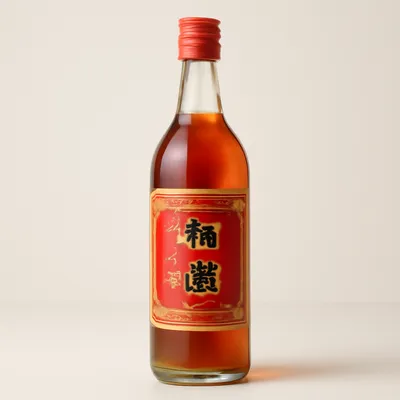
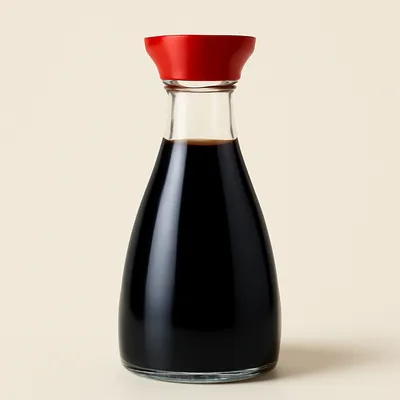

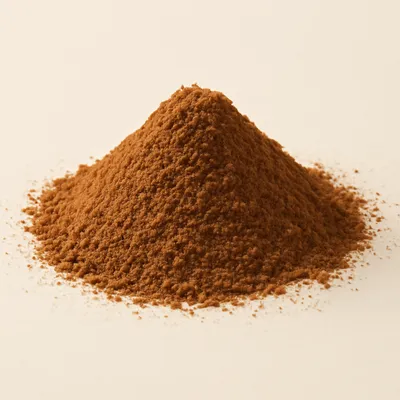
炸糟鳗 is built on 红糟 — the vivid crimson fermentation lees left after pressing 青红酒, a Fujian rice wine brewed with Monascus mold-inoculated red yeast rice. The use of red yeast in Fujian cooking is documented from the Song dynasty by two independent classical texts: Zhu Xi (朱熹, 1130–1200) is recorded in Lijingde's 《朱子语类》 as saying that 'Fuzhou red yeast paste is what the ancients called 醴酒'; and Song author Zhuang Jiyue wrote in 《鸡肋编》 (preface dated Shaoxing 3rd year, c. 1133) that across Fujian, 'by autumn, red lees are used to dress vegetables, fish, and meat.' The pairing of this centuries-old condiment with sea eel — abundant in the Min River estuary and the Fuzhou coastal fisheries — produced the dish that became a required presence at every formal Fuzhou table, a guarantee of festive color and prosperity.
The crust shatters on first bite to reveal moist, almost silky eel flesh deeply infused with the tangy-sweet fermentation character of red yeast; the lingering finish is warm, savory, and faintly winey.
Red yeast (红曲) is produced by inoculating steamed rice with Monascus mold and fermenting at 35–40°C. The mold secretes red polyketide pigments — chiefly rubropunctatin and monascorubrin — that bind strongly to amino groups in proteins. During marination, these pigments penetrate the eel's muscle fibers and attach to free amino acid residues, producing a permanent ruby-red color that survives the heat of frying. The red yeast also contributes proteolytic enzymes that partially pre-tenderize the eel's myosin during the marination period. When the starch-coated eel enters 180°C oil, rapid surface dehydration creates a rigid sweet-potato-starch shell; a second fry at higher temperature drives remaining moisture from the crust, maximizing crispiness without overcooking the interior.
Variations
A gentler variant called 淡糟鳗 uses the same marinade but braises the eel in stock rather than frying, yielding a silkier texture. The red-yeast treatment adapts to hairtail (炸糟带鱼), pork (炸糟猪肉), and chicken across Fuzhou cuisine. In the coastal districts of Changle and Lianjiang, similar red-yeast fried seafood dishes are common.
On the Palate
Where Fuzhou Red-Yeast Fried Eel sits in the Chinese flavor cloud
Ingredients
Serves 4


How it's made
8 steps · 45 min active + 2 hours waiting
- 110 min
Clean the sea eel: remove guts, backbone, and fins; rinse thoroughly and pat completely dry with paper towels.
Watch outPat the eel bone-dry before it hits anything — surface water makes the starch coat slide off and the oil spit violently when it fries.
- 25 min
Cut eel into pieces about 5 cm long and 3 cm wide; transfer to a large bowl.
- 35 min
Combine red yeast wine lees, Shaoxing rice wine, soy sauce, sugar, five-spice powder, and ginger strips; mix into a smooth marinade.
- 4120 min
Pour marinade over eel; toss to coat evenly; cover and marinate at least 2 hours, preferably overnight in the refrigerator.
- 55 min
Beat an egg into the marinated eel; add sweet potato starch and turn gently until every piece is thoroughly coated.
- 610 min
Heat oil in a deep wok to about 180°C; lower eel pieces in batches over medium heat; fry 4 minutes, flip, fry another 3 minutes until coating is set and pale gold-red.
Watch outFirst fry over medium just until the coating firms and turns pale gold-red — rushing the heat here browns the crust before the eel inside is cooked.
- 75 min
Remove eel; raise oil temperature to about 200°C; return all pieces for a second fry of 1–2 minutes until the crust turns deep red and shatters when pressed.
Watch outSecond fry hot and fast only until the crust deepens red and shatters when pressed — a few seconds too long past that and the red yeast edges tip into scorched-bitter.
- 83 min
Drain on paper towels; arrange on a platter and serve immediately while the crust is still crisp.


