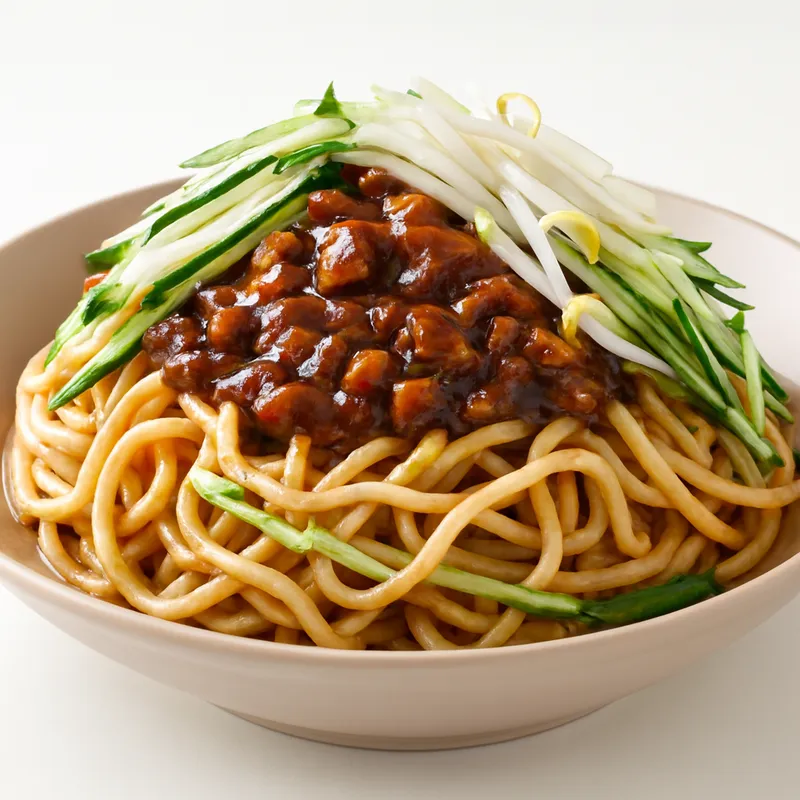
A defining morning dish of Dunhuang on the ancient Silk Road: silky pea-starch jelly cubes and tender shredded lamb swim in a spiced bone broth fragrant with tsaoko cardamom and fennel—each bowl a quiet testament to centuries of caravanserai hospitality at the edge of the Gobi.


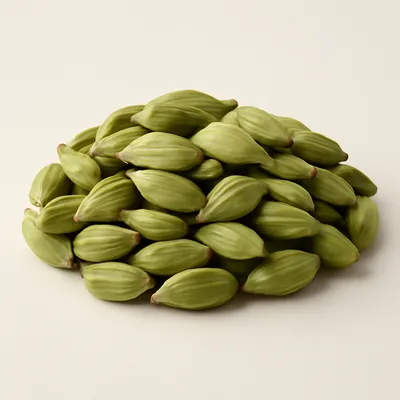


Dunhuang served as the western gateway of the Hexi Corridor and a critical Silk Road hub for over a millennium. The local custom of eating spiced lamb-broth dishes for breakfast is tied to the Hui Muslim food culture that took root along the corridor, as Central Asian traders carried spices like tsaoko and fennel into the region. Pea-starch jelly noodles, a practical cold-climate staple, were added to form the dish's signature dual texture—broth-soaked jelly paired with hand-torn lamb. Dunhuang morning markets historically offered this pairing to caravans and pilgrims departing for the desert crossings.
Clear broth enters first—lamb-sweet, faintly spiced, warming; the cool, silky jelly cubes dissolve against the tongue with a gentle resistance; shredded lamb follows with a deeper marrow richness that lingers long after the bowl is empty.
Lamb bones simmered gently for two or more hours at 85–95°C dissolve their collagen into gelatin, which emulsifies fat droplets and gives the broth its silky, full mouthfeel. Pea-starch jelly forms when starch granules gelatinize near 63°C, then retrograde into a firm, sliceable gel upon cooling. Tsaoko contributes eucalyptol and fennel provides trans-anethole—both fat-soluble terpene compounds that bind and mask the mutton-odor aldehydes responsible for lamb's characteristic gamey note.
Variations
Hand-pulled wheat noodles can replace jelly noodles for a heartier version; glass noodles or daikon radish slices are common additions; winter versions deepen the broth with dried licorice root.
On the Palate
Where Dunhuang Lamb Noodle Broth sits in the Chinese flavor cloud
Ingredients
Serves 4


How it's made
7 steps · 30 min
- 110 min
Blanch lamb ribs and neck bones in cold water, bring to a boil, drain and rinse to remove impurities.
- 2120 min
Simmer cleaned bones in fresh water with ginger, scallion, tsaoko pods, and fennel seeds at 85–90°C for 2 hours.
Watch outHold the bone stock at a bare shiver, around eighty-five to ninety degrees, for the full two hours — a hard boil clouds it grey instead of turning it milky white.
- 320 min
Add lamb shoulder slices and continue simmering 20 minutes until tender; remove and shred by hand.
- 430 min
Dissolve pea starch in cold water, cook over medium heat stirring constantly until translucent and thick; pour into a tray and cool until set, then cut into small cubes.
Watch outStir the pea-starch slurry constantly until it turns translucent and thick, then let it cool to a firm jelly — stop stirring early and it sets lumpy and won't slice clean.
- 55 min
Strain the broth; season with salt, a splash of light soy sauce, and white pepper; adjust spice balance.
- 63 min
Briefly blanch jelly cubes in hot broth to warm through; divide into serving bowls.
- 72 min
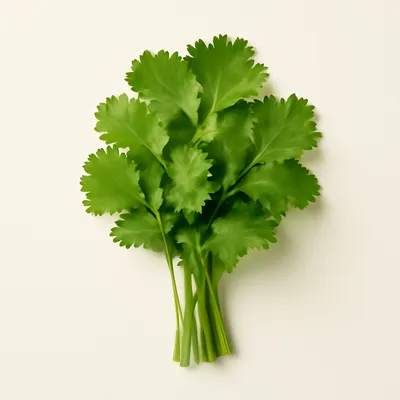
Ladle boiling broth over the jelly, top with shredded lamb, garnish with scallion, cilantro, and chili oil.
Archive tool suggestions — not reviewed
These legacy suggestions have not been evidence-reviewed and are not presented as required tools.