The iconic breakfast of Huainan, on the Huai River in northern Anhui: a deep beef broth simmered for hours from yellow-cattle bones and meat with a heavy spice bag, then ladled boiling-hot over rice vermicelli. Into each bowl go ribbons of tofu skin, slices of cooked beef, a float of chilli oil and a fistful of coriander. The broth is rich and savoury with a clean spiced warmth; the noodles drink it up. Locals start the day with a steaming bowl, often torn flatbread dunked alongside.



Huainan beef soup grew up around Huainan in northern Anhui, where the Huai River cattle country meets a long history of Hui Muslim halal butchery. Its present form reflects a blending of cultures: Hui halal beef-cooking, the dried tofu skin (千张) brought by Ming-era Shandong settlers, and the bean-thread vermicelli that came later. Vendors like to trace it back to antiquity through the area's old cattle-slaughtering lore, but the dish as eaten today is a more recent street-breakfast tradition; it was recognised as a Huainan municipal intangible cultural heritage in 2013.
A bowl that arrives almost too hot to hold, fragrant with beef and spice. The broth is full and round on the tongue, savoury without being greasy, a faint warmth of star anise and white pepper underneath. Vermicelli slips through it; tofu-skin ribbons turn silky; the beef is tender. A swirl of chilli oil sharpens it and the coriander lifts the whole bowl with a green freshness.
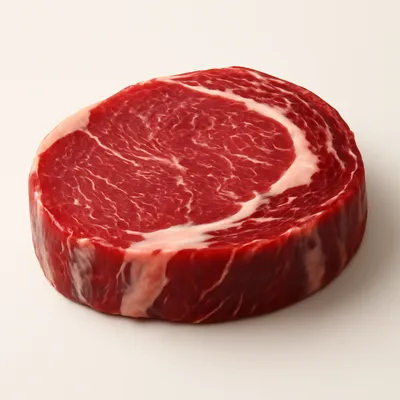
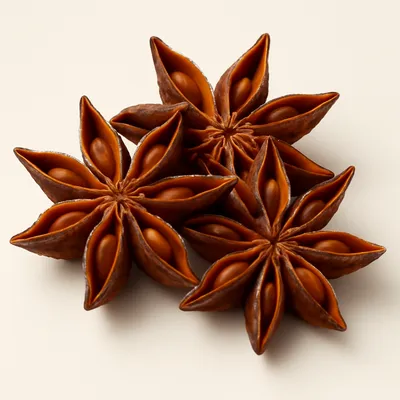
The depth is built by long bone simmering. Yellow-cattle leg bones and meat are blanched, then cooked for hours so collagen melts into gelatin, giving the broth its body and clinging mouthfeel, while marrow and connective tissue lend savour. A muslin bag of upwards of a dozen aromatics — star anise, fennel, sand ginger, cao guo, bai zhi, cinnamon, clove and more, with a little angelica and liquorice — perfumes the pot without clouding it. The vermicelli and tofu skin are warmed in the bowl and the near-boiling broth poured over so they cook through on the spot and stay slippery.
Variations
Stalls vary the heat and the float of beef oil; some keep it gentle, others ladle on red chilli oil. Common add-ins besides tofu skin and vermicelli are dou bing (mung-bean batter sheets), blanched greens and shredded dried tofu. A dry version serves the cooked beef and noodles tossed with less broth, the soup taken on the side.
On the Palate
Where Huainan Beef Soup sits in the Chinese flavor cloud
Ingredients
Serves 6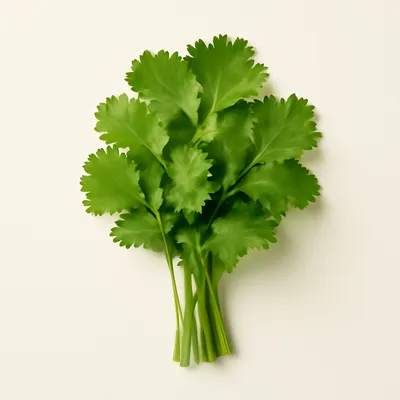

How it's made
7 steps · 5 hours
- 120 min
Blanch yellow-cattle leg bones and beef to remove blood and scum, then rinse.
Watch outBlanch from cold water so the scum lifts out cleanly — start from boiling water and it seizes into the meat and clouds the broth.
- 2300 min
Simmer the bones and meat in a deep pot of water over low heat for several hours until the broth is rich and the meat tender.
Watch outKeep it at a lazy bubble, not a rolling boil — hard boiling emulsifies the fat and turns the broth cloudy instead of rich and clear.
- 330 min
Tie star anise, fennel, sand ginger, cao guo, bai zhi, cinnamon, clove and a little angelica and liquorice into a muslin bag and simmer it in the pot to perfume the broth; season with salt.
- 415 min
Lift out the beef, cool, and slice thinly.
- 55 min
Blanch tofu-skin ribbons and pre-soaked vermicelli; place a portion in each bowl.
- 64 min
Top with sliced beef and ladle the near-boiling broth over until the noodles and tofu skin are heated through.
Watch outThe broth must be near-boiling when you ladle it over — that's what cooks the vermicelli and tofu skin through in the bowl; lukewarm broth leaves them raw.
- 72 min
Finish each bowl with chilli oil and a generous handful of coriander.
Archive tool suggestions — not reviewed
These legacy suggestions have not been evidence-reviewed and are not presented as required tools.