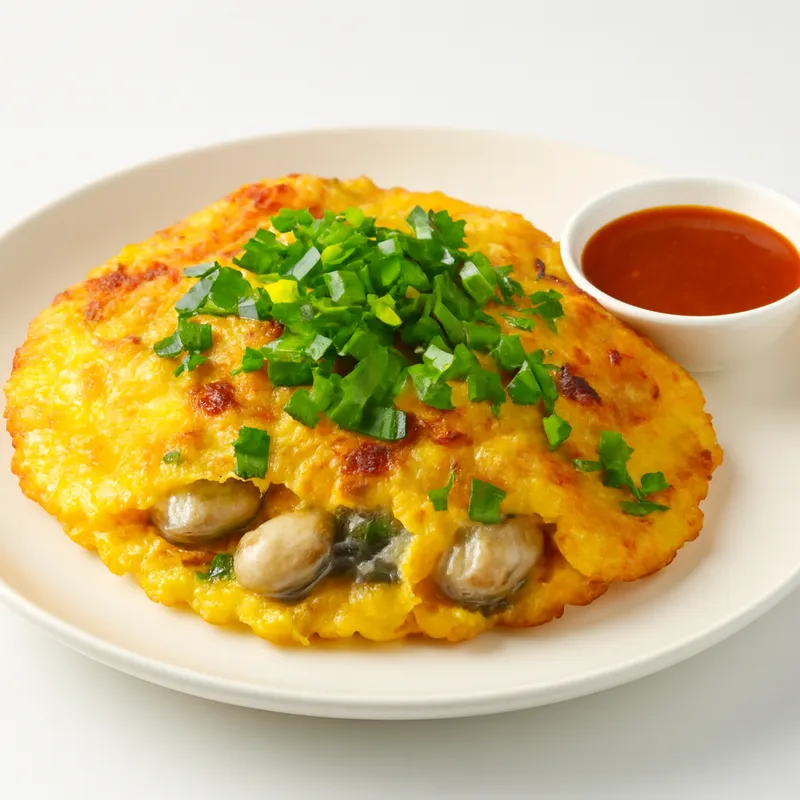
Donkey shoulder and leg from Changzhi in Shanxi's Shangdang plateau, slow-braised in a twenty-spice master brine until brick-red and deeply savoury. Pressed, cooled, then sliced thin across the grain to reveal a dense, fragrant cross-section. A cold-platter centrepiece at Shangdang banquets with a history traditionally dated to the Ming dynasty.





Shangdang (上党) was the ancient name for the Changzhi plateau in southeastern Shanxi, a region historically known for donkey breeding as pack animals on the steep Taihang trade routes. A Ming-dynasty origin is often cited in local accounts, though specific founding dates and named inventors are not independently verifiable and should be treated as oral tradition. The core technique—long immersion in a spiced master brine (老卤), followed by pressing to compact the texture—is consistent with cured-meat practices documented in northern Shanxi food records from the Qing dynasty. Today, Changzhi vendors maintain continuous master brines that accumulate years of flavour.
Dense, fine-grained slices with a firm pull that yields cleanly—not stringy like overcooked pork. The twenty-spice brine leaves a deep, warm aromatic depth that builds slowly on the palate. Leaner than cured pork belly, more yielding than air-dried beef. A few drops of Shanxi vinegar lift and clarify the whole plate.
Donkey meat is a lean red meat with short, fine muscle fibres, lower intramuscular fat (roughly 2–4 g per 100 g versus 5–10 g for beef), and a higher proportion of monounsaturated fatty acids. During brine immersion, osmotic pressure from the salt draws moisture out of the cells while salt-soluble myofibrillar proteins migrate outward, forming a dense protein film at the surface that produces the characteristic smooth cross-section on slicing. Slow simmering at 90–95 °C for 3–4 hours hydrolyses collagen in connective tissue into gelatin, which—when the meat is pressed and cooled—sets the slices into a firm, self-holding structure. Terpene compounds from the aromatic spices (cinnamaldehyde from cassia, eugenol from cloves, cineole from tsaoko) penetrate the meat during the long brine contact and react with amino acids via Maillard pathways to create the brick-red colour and layered spice fragrance.
Variations
Some producers briefly cold-smoke the pressed meat over pine sawdust for additional depth; pressed donkey-head meat follows the same brine and pressing process and is considered the premium cut; the leftover braising liquid is maintained as a master brine and reused indefinitely, deepening in complexity over years; thin slices are sometimes served inside flatbread (火烧夹驴肉) as a street-food pairing.
On the Palate
Where Shangdang Cured Donkey Meat sits in the Chinese flavor cloud
Ingredients
Serves 8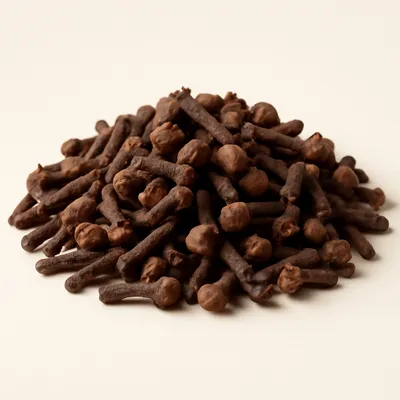


How it's made
8 steps · 2 hours
- 1120 min
Rinse donkey shoulder or hind-leg pieces thoroughly; submerge in cold water and soak for 2 hours, changing the water once, to draw out blood and reduce the strong gamey note.
- 25 min
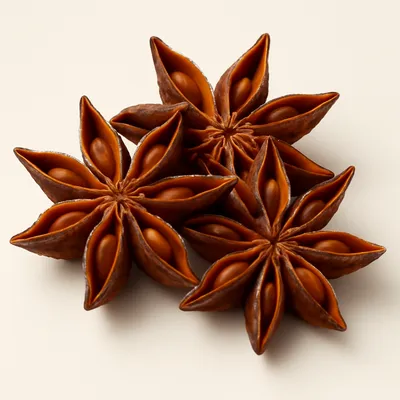
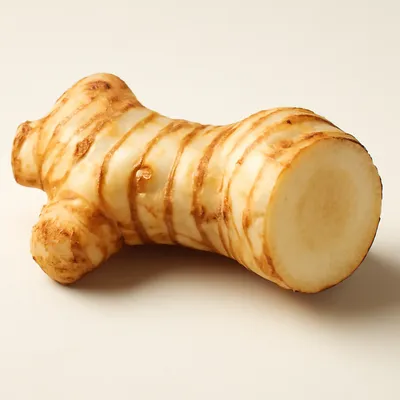
Toast the spice blend briefly in a dry pan until fragrant: Sichuan pepper, star anise, cassia bark, cloves, dried tangerine peel, galangal, tsaoko, fennel seeds, bay leaves, and any additional aromatics up to twenty spices total. Tie in a muslin bag.
- 310 min
Blanch the drained donkey meat: lower into cold water, bring to a boil, cook 8 minutes; remove, rinse under cold water, and pat dry.
- 45 min
Combine the spice bag, salt, soy sauce, and enough water to submerge the meat in a large heavy pot; bring to a full boil.
- 5240 min
Lower in the blanched donkey meat; return to a boil; skim any foam; reduce heat to a gentle but steady simmer; cook 3–4 hours, turning the meat once halfway, until a chopstick pierces the thickest part with no resistance.
Watch outSimmer three to four hours at ninety to ninety-five degrees, turning once, until a chopstick pierces the thickest part with no resistance — that low, long heat melts the collagen so it slices clean.
- 6120 min
Turn off heat and let the meat rest in the brine for at least 2 hours—overnight if possible—so flavours penetrate to the core.
- 760 min
Remove the meat; while still warm, place it between two flat boards weighted with a heavy object and press for 30–60 minutes to compact the texture for clean, paper-thin slicing.
Watch outPress the still-warm meat under weighted boards thirty to sixty minutes — this compacts it so it slices paper-thin with a smooth cross-section.
- 85 min
When fully cooled and firm, slice thinly across the grain; arrange on a cold platter; serve with Shanxi vinegar and chili oil alongside.
Archive tool suggestions — not reviewed
These legacy suggestions have not been evidence-reviewed and are not presented as required tools.