
A cured, braised, and honey-glazed beef from Yulin in southeastern Guangxi, made from the rump of yellow cattle (locally called 打棒肉). The sliced beef is marinated with rice wine, soy, sugar and a long list of spices, dried, fried, then simmered and braised, and finished glazed with a sugar or honey syrup until it turns a deep coffee-brown, glossy, and faintly translucent. It is built through some seven stages and is prized for being chewy but not tough — soft enough to give, springy enough to keep chewing — rather than the hard, dry chew of jerky. It is eaten on its own as a cold plate or snack, and is the heart of the famous local breakfast 牛巴粉, cured beef over rice noodles.
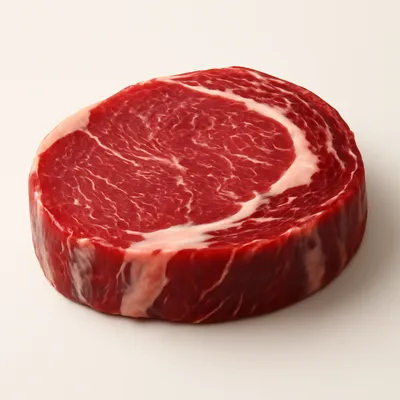


Niuba is the signature cured meat of Yulin, and 玉林牛巴制作技艺 (the craft of making Yulin niuba) is listed as an autonomous-region intangible cultural heritage of Guangxi. The beef is taken specifically from the rump of locally raised yellow cattle, the cut known in dialect as 打棒肉. A local legend traces the dish to a Southern Song salt-trader surnamed Kuang, whose ox died on the road; he salted and dried the slaughtered meat, later braising it with star anise and cassia, and so the snack was born — but this origin and the often-repeated 'eight hundred years' of history are traditional lore, not documented fact. What is documented is the present craft: a multi-stage process that, apart from the drying, is largely done by hand, and the dish's role in Yulin's daily breakfast as 牛巴粉.
A slice is deep coffee-brown and glossy, slightly see-through at the edge where the syrup glaze has set. The chew is the whole point: you bite in and it gives, then springs back, and it keeps its resilience the longer you chew, releasing a layered savor — salty and sweet at once, fragrant with star anise, cassia, clove and sand-ginger, with the wine and soy and honey behind. It should be 'chewy but not tough,' supple rather than leathery. Done well, the meat is even-colored, oily-bright, and richly perfumed. Done badly, it is dried out and hard like ordinary jerky, or it tastes flatly sweet or one-note salty because the spice cure and the slow braise were rushed.
Niuba aims for a cured chew that is supple, not brittle, and that depends on cut, slow heat, and sugar. The rump is lean, dense muscle; sliced and salt-cured with wine and soy, the salt draws out water and seasons deep while the wine and spices carry aroma into the fibers. Drying concentrates flavor and firms the meat without fully dehydrating it to jerky. The long simmer and braise then does the key work: gentle, prolonged heat slowly converts the meat's connective collagen toward gelatin, which is what keeps the dried, dense beef yielding and 'chewy but not tough' instead of hard. The final sugar or honey glaze, reduced sticky, both seasons and lacquers the surface: as the syrup tightens around the meat it gives the glossy, faintly translucent coffee-brown coat and a sweet-salty edge, and the sugar helps the slices hold and keep. Apart from the drying, much of the work is done by hand.
Variations
Beyond the sliced cured beef eaten as a cold plate, the great everyday form is 牛巴粉: the niuba is tossed or laid over fine rice noodles, often with its braising sauce, as a Yulin breakfast staple, and stalls compete on it across the city. The spice cure varies by maker but typically draws on a long list — star anise, cassia, clove, licorice, sand-ginger, fennel, tangerine peel, caoguo and more — and the sweetening on local cane sugar or honey; some versions lean saltier, some sweeter and more lacquered. The same idea of cured, spiced beef appears elsewhere in Guangxi and Guangdong, but Yulin niuba is the named, heritage-listed local form.
On the Palate
Where Yulin Cured Beef sits in the Chinese flavor cloud
Ingredients
Serves 6

How it's made
7 steps · 4 hours
- 120 min
Trim rump of yellow beef and slice it into thin, even pieces along the grain.
- 270 min
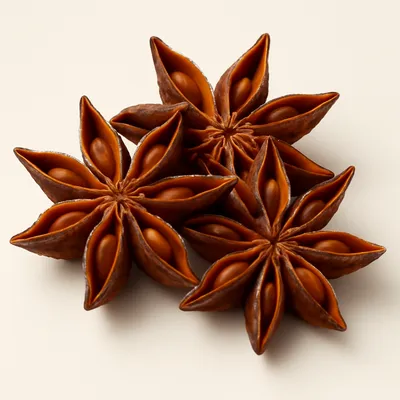
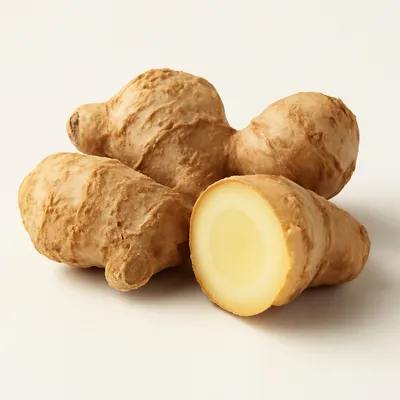
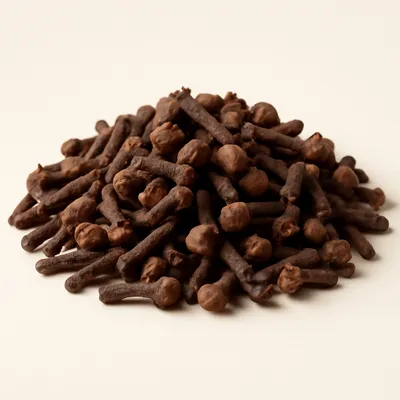
Marinate the beef with rice wine, soy sauce, sugar, salt and a spice mix of star anise, cassia, clove, sand-ginger, licorice and tangerine peel for an hour or more.
- 3360 min
Spread the marinated slices out and dry them — in the sun or low heat — until firmed and concentrated but not fully dehydrated.
Watch outDry the slices until firmed and concentrated but still pliable, not brittle — dry them all the way to jerky and the braise can't soften them back supple.
- 48 min
Fry the dried slices briefly in oil to set the surface and deepen the aroma.
- 5180 min
Transfer to a pot with stock and the spices and simmer, then braise over low heat for a long time until the beef is supple and chewy but not hard.
Watch outBraise low for a long stretch until the beef bends supple and chewy without going hard — slow gentle heat is what keeps dense dried meat from turning tough.
- 615 min
Reduce a syrup of cane sugar (and honey) and toss the beef in it over gentle heat until each slice is glazed glossy, coffee-brown, and faintly translucent.
Watch outToss the beef in the reducing sugar syrup over gentle heat until every slice glazes glossy coffee-brown and faintly see-through — keep it low or the sugar scorches.
- 75 min
Cool and serve as a cold plate, or lay over fine rice noodles with the sauce as niuba noodles (牛巴粉).
Archive tool suggestions — not reviewed
These legacy suggestions have not been evidence-reviewed and are not presented as required tools.


