A Xiangyang craft of remarkable patience: a deboned pork trotter is stuffed with spiced pork-mushroom filling, rolled into a tight cylinder, lashed with hemp twine, and left to cure in winter air for days before being slow-braised and chilled into an elastic, gelatinous terrine. Sliced thin, it reveals a mosaic of pork skin, filling, and gelatin — served cold with vinegar and ginger threads.




Folk tradition in Xiangyang traces 缠蹄 to a Xu family who migrated from Denzhou (Henan) to Fancheng — the north-bank district of Xiangyang — in the late Qing dynasty. The family was known for its braised pork elbows, but during a lean harvest year the daughter-in-law could not afford the usual cut; she improvised by wrapping a filling of radish, tofu, and bean-thread noodles inside cooked pork skin to mimic the festive elbow roast. As prosperity returned, the filling reverted to spiced pork; the dish spread across the Xiangfan region as a Lunar New Year staple, eventually settling into the name '缠蹄' through a dialectal shift from '卷' (to roll). It is also known locally as '扎蹄'. Compared in regional pride to Jinhua ham, 缠蹄 has been listed in the first 21 Hubei Chu Cuisine Standards (楚菜标准, 2020) as a representative Xiangyang specialty.
A thin slice reveals three distinct layers: the amber pork-skin jacket, the spiced minced-meat core, and the cloud-white gelatin set between them. Cold, firm, elastic — it yields cleanly under the knife, then melts gradually under the tooth. The vinegar cuts through the richness like a clear note.
Air-curing over 2–5 days in cold, ventilated conditions desiccates the trotter surface by roughly 15–20%, concentrating flavor compounds as salt and spices continue to migrate inward through osmosis. The hemp-twine lashing compresses the roll under radial tension, excluding air pockets and ensuring a uniform cross-section. During the subsequent 60-minute braise at 90–95°C, collagen in the pork skin — which constitutes roughly 25–30% of its total protein — hydrolyzes into gelatin. On cooling below 35°C, the gelatin resolidifies in the compressed space, binding skin and filling into the characteristic elastic terrine that slices cleanly without crumbling.
Variations
Smoked Cured Trotter (腊缠蹄): an intensified winter version cold-smoked with sawdust and tea leaves for 6 hours before braising, developing a burnished mahogany exterior and smoky depth. Chicken Skin Roll: the same wrapping technique applied to deboned chicken thigh skin, a lighter spring-menu variation. Pork Belly Roll (卷肘子): the ancestral form, using a flat sheet of pork belly instead of a whole trotter, filled with mushrooms and bean-thread noodles in the style of the original Xu-family improvisation.
On the Palate
Where Xiangyang Wrapped Cured Pork Trotters sits in the Chinese flavor cloud
Ingredients
Serves 6

How it's made
7 steps · 20 min
- 125 min
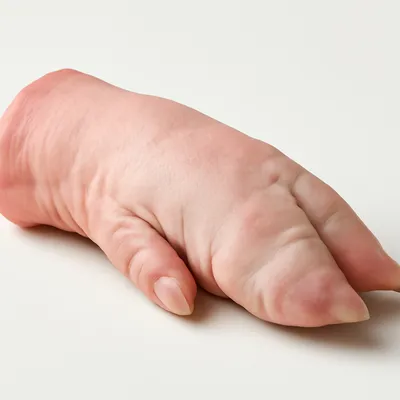
Singe and scrub the pork trotter clean; debone carefully with a boning knife, keeping the skin intact as a large sheet. Score the inner flesh in a crosshatch pattern to aid marination.
- 2245 min
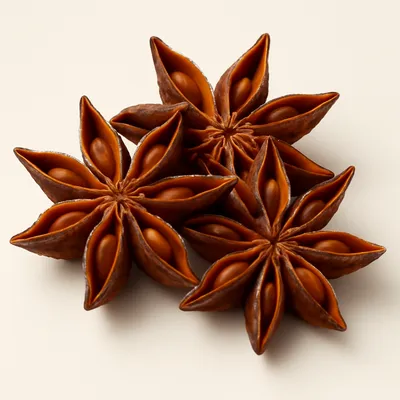
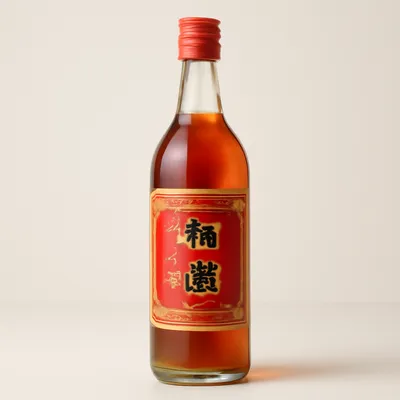
Toast salt with star anise powder and Sichuan pepper in a dry wok for 2 minutes; rub the spice mixture, soy sauce, sugar, and Shaoxing wine all over the inner surface of the trotter skin. Marinate for 4 hours.
Watch outToast the spice-salt just until it smells fragrant and turns off the raw edge — pull it before it darkens or the rub goes bitter.
- 315 min
Prepare the filling: finely dice pork belly, reconstituted dried mushrooms, and dried shrimp; mix with seasoning, stir-fry briefly until fragrant, then cool completely.
- 415 min
Lay the deboned trotter skin-side down; spread the cooled filling evenly across the surface, roll tightly into a compact cylinder, and stitch the seam shut with kitchen twine.
- 54320 min
Wrap the roll in a layer of cheesecloth, then lash tightly in a spiral with hemp twine from one end to the other. Hang in a cool, ventilated place to air-dry for 2–5 days (traditionally in the depths of winter).
Watch outLash the hemp twine tight enough that the roll feels hard and holds a firm cylinder — any slack leaves air pockets that stop it setting.
- 665 min
Transfer to a seasoned master-stock broth; bring to a boil, reduce heat, and simmer at 90°C for 60 minutes until cooked through.
Watch outKeep the braise at a bare tremble around 90 degrees, never a rolling boil — a hard boil bursts the skin and the roll falls apart.
- 715 min
Cool completely in the braising liquid, then refrigerate overnight to set. Unwrap, slice diagonally into 5 mm slices, and serve cold with julienned ginger and Zhenjiang rice vinegar.
Watch outChill it right through overnight before slicing — the gelatin has to re-set cold or the slices won't hold together.
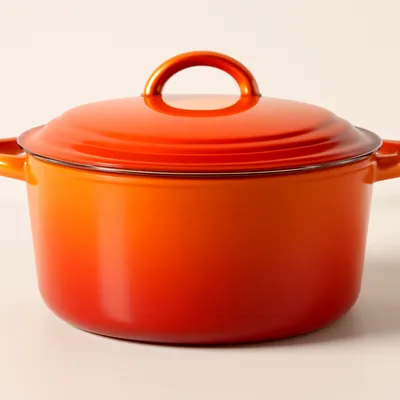
Archive tool suggestions — not reviewed
These legacy suggestions have not been evidence-reviewed and are not presented as required tools.