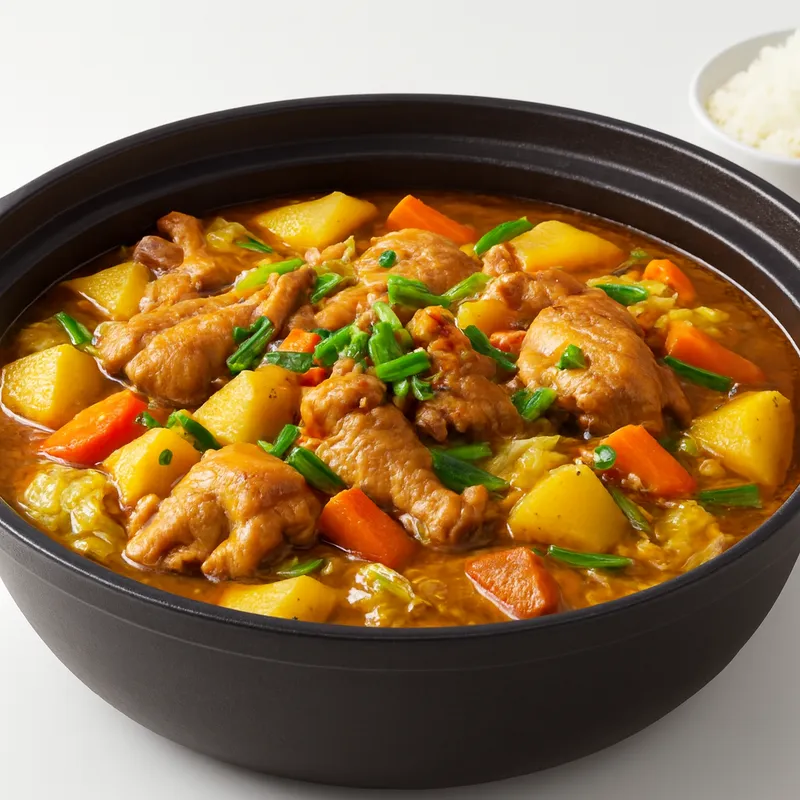
A Beijing cold-dish classic from the Qianmen institution Duyichu — pork belly and lean cuts are bundled together with liriope grass, braised low and slow with star anise and Sichuan pepper, then chilled overnight in their own aspic. Each slice is a cross-section of amber jelly wrapped around marbled meat, faintly scented with the grass's floral herbal note.

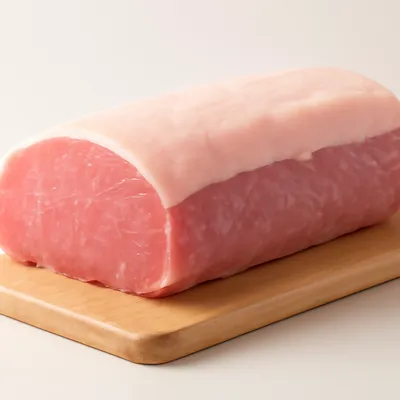



Duyichu was founded in 1738 on Qianmen Avenue in Beijing as a wine shop with food. According to a widely repeated account, Emperor Qianlong dined there incognito on New Year's Eve of 1752 — finding it the only establishment still lit that night — and bestowed the name Duyichu (meaning the only place open) on the shop. Reed-Tied Pork is one of Duyichu's signature cold dishes, exploiting liriope grass (Iris lactea), which was historically the everyday binding material of Beijing market vendors wrapping fish and vegetables. The grass's volatile compounds transfer to the braising liquid during slow cooking, lending a subtle herbal fragrance to the pork. The dish is served chilled with the meat's own gelatin-set aspic.
Each slice is cool and faintly trembling — translucent amber aspic around marbled pink-white pork. Bite down: the fat dissolves instantly, the lean gives a gentle chew, and then from somewhere inside comes the liriope grass's clean, faintly floral scent mingled with star anise warmth. Refreshing and quietly complex.
Liriope grass (Iris lactea) contains volatile terpenoids and flavonoid compounds including iridoid glycosides; during braising, these dissolve into the cooking liquid and are absorbed by the pork, producing a subtle grassy-floral note. Slow simmering hydrolyzes collagen from the pork belly and any added pork skin into gelatin; as the dish cools to around 17-20 degrees C, the gelatin crosslinks and sets into a clear aspic that encases the meat. The physical binding of the grass keeps the fat and lean sections pressed together throughout the long cook, ensuring every slice retains the intended fat-to-lean ratio and a clean cross-sectional face.
Variations
Duyichu versions sometimes include extra pork skin for a richer, firmer aspic; home cooks without liriope grass substitute blanched scallion leaves or leek strips; a smoked variant first cold-smokes the pork briefly before braising to add another layer of complexity.
On the Palate
Where Reed-Tied Chilled Pork sits in the Chinese flavor cloud
Ingredients
Serves 6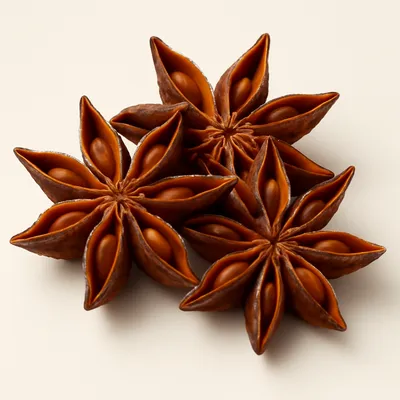

How it's made
7 steps · 30 min
- 110 min
Soak dried liriope grass strips in boiling water for 10 minutes until softened and pliable; lift out and set aside.
- 215 min
Cut pork belly into strips about 3 cm wide and 7 cm long; pair one fatty strip with one lean strip and tie tightly with one strand of soaked liriope grass.
- 35 min
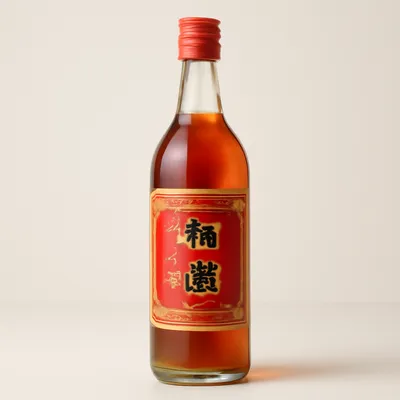
Bring a large pot of water to a boil; add Sichuan peppercorns, star anise, cinnamon stick, ginger slices, tied scallion, dark soy sauce, and Shaoxing wine.
- 490 min
Add the tied pork bundles and any pork skin for extra gelatin; skim foam as it rises; reduce to a steady low simmer.
Watch outKeep skimming the foam as it rises and hold the pot at the barest simmer — a rolling boil turns the aspic cloudy instead of crystal-clear.
- 515 min
Simmer for 90 minutes until the meat can be pierced easily with a chopstick; add fine salt and a splash more wine; cook 10 more minutes to finish seasoning.
Watch outSimmer until a chopstick slides through the meat with no resistance — that's tender, and it means enough collagen has melted out to set the aspic.
- 6240 min
Remove the pork bundles and arrange in a single layer in a deep tray; strain the braising liquid and pour over the meat to just cover; refrigerate until fully set, at least 4 hours.
Watch outChill at least four hours until the liquid sets to a firm, clear jelly that holds a clean edge when cut — under-set and the slices won't stand.
- 710 min
Unmold; remove liriope grass ties; slice crosswise into 1 cm pieces revealing the aspic-encased pork; arrange on a plate with extra aspic cubes and serve cold.
Archive tool suggestions — not reviewed
These legacy suggestions have not been evidence-reviewed and are not presented as required tools.