
Dried-bamboo braised pork is a mountain home braise of the Hakka uplands and the neighbouring hills of southern Jiangxi and western Fujian: streaky pork belly red-braised with rehydrated dried bamboo shoots. Where fresh bamboo is fleeting and watery, dried bamboo is the larder version — drying concentrates its sweet, faintly funky flavor and gives it a springy, sponge-like chew that drinks up the pork's rendered fat and braising liquid. The shoots must be coaxed back to life first, soaked for a day or more with the water changed and then boiled to strip their bitterness and sour edge, before they go into the pot with the belly, soy, rock sugar and star anise. Slow braising melts the fat, glosses the meat dark and red, and trades flavor between pork and bamboo until each tastes of the other. It is honest, deeply savory country food rather than the work of any one cook.


The Hakka are an upland people, and their kitchen is built on what the hills give and what can be stored: alongside preserved greens like mei gan cai, dried bamboo is a mainstay of the mountain larder, and across southern Jiangxi and western Fujian — western Fujian's 'eight great dried goods' even count local dried bamboo among them — it has long met fatty pork in the braising pot. Drying was first a matter of survival: bamboo flushes briefly in spring, and the only way to carry that bounty through the year was to boil and sun-dry it into shoots that keep. There is no single inventor or founding date to claim here; this is a widespread country braise of the Hakka and Gan–Min hill country, cooked many ways in many homes, and it is more honest to treat it as a regional foodway than to pin it to one origin.
The belly comes out glossy and dark-red, the fat turned to silk that gives way at a touch, the lean fibres loose and yielding; the dried bamboo is the foil — springy and a little chewy, threaded through with braise, releasing little bursts of savory liquid as you bite. The sauce is deep and faintly sweet from rock sugar, the bamboo lending a cured, woodsy, almost gamey edge that cuts the richness. Eaten over rice, the fat-soaked shoots are the piece people reach for.
Dried bamboo carries two problems that cooking must solve: it is rock-hard, and it holds a bitter, sour-alkaline harshness. Long soaking — often a day or two with the water changed several times — rehydrates the fibres and leaches out water-soluble bitter and alkaline compounds, and a preliminary boil drives off more, so the spongy, porous shoot is left clean-tasting and primed to absorb. That porosity is the point: where fresh bamboo is mostly water, the dried-and-rehydrated shoot is an open matrix that wicks up rendered fat and braising liquid and holds onto its springy chew. The pork belly is blanched to firm it and rid it of scum, then dry-fried so its own fat renders out and the surface takes color; rock sugar deepens the gloss and rounds the soy. A long, gentle braise then does the real work — collagen in the belly's connective tissue slowly converts to gelatin, so the fat turns silky and the sauce body-rich, while glutamates from pork and bamboo pool in the shared liquid and each ingredient takes on the savor of the other.
Variations
The bamboo itself varies by hill country — Fujian's golden, semi-translucent yu lan pian, and the dried whole or split shoots of the Gan and Min mountains — each with its own depth and chew. Cooks split over how to color and sweeten the braise: many use rock sugar with light and dark soy in the southern hong shao manner, while others lean on dark soy alone or skip the sugar for a plainer, saltier braise. Aromatics range from a clean star-anise-and-ginger base to fuller versions with dried chili, scallion and a splash of Shaoxing wine. The dish also shades into its close kin — the same belly and bamboo can be red-braised (hong shao) into a glossier, sweeter version, and in Zhejiang and Jiangnan the pairing turns up as a winter home braise as well.
On the Palate
Where Dried-Bamboo Braised Pork sits in the Chinese flavor cloud
Ingredients
Serves 4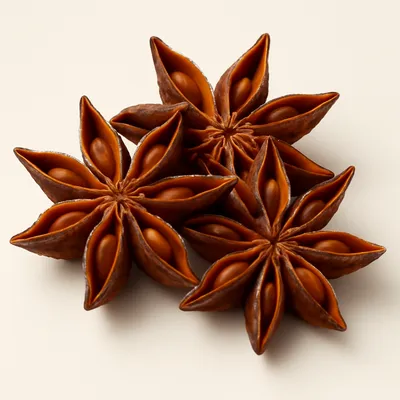


How it's made
8 steps · 40 min
- 11440 min
Soak the dried bamboo shoots in plenty of cold water for a day or more, changing the water several times, until fully rehydrated and supple.
Watch outSoak the dried bamboo a day or more with several water changes until fully supple — under-soaked shoots stay rock-hard and hold a bitter, alkaline harshness.
- 240 min
Boil the soaked shoots for at least half an hour to strip their bitterness and sour edge, then rinse and tear or slice into bite-sized strips.
Watch outBoil the soaked shoots at least half an hour to strip the bitterness — skip this and the bamboo carries a sour, harsh edge into the braise.
- 315 min
Cut the pork belly into mahjong-tile-sized pieces; blanch from cold water with ginger and a splash of Shaoxing wine, skim the scum, then drain.
- 48 min
Dry-fry the blanched belly in a little oil over medium heat until its fat renders out and the surface turns golden.
- 53 min
Add rock sugar and let it melt and coat the meat, then add star anise, ginger and scallion and stir until fragrant.
- 62 min
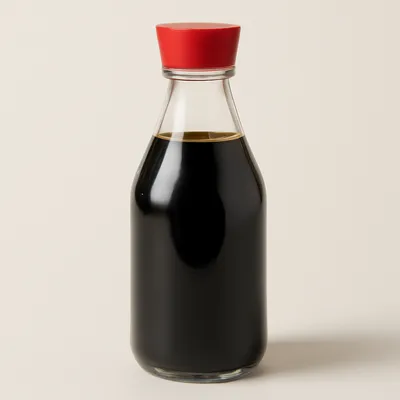
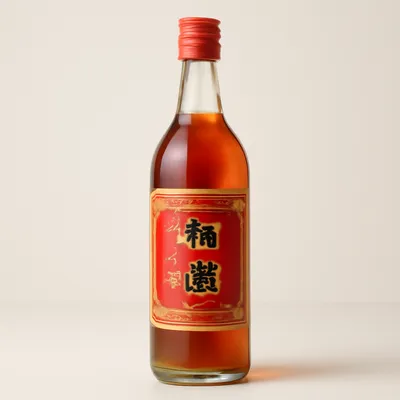
Splash in Shaoxing wine, then light and dark soy, tossing to color the pork evenly.
- 765 min
Add the bamboo, pour in hot water to just cover, bring to a boil, then turn down and braise gently, covered, for about an hour.
- 812 min
Uncover, season to taste and raise the heat to reduce the sauce until thick and glossy.
Watch outReduce at the end until the sauce is thick and glossy red — that final reduction is what makes the porous bamboo wick up the flavor.


