
A Shaoxing home classic: skin-on pork belly braised low and slow with the city's signature dried preserved mustard greens (mei gan cai / wu gan cai) plus soy, rock sugar, and Shaoxing wine, until the meat turns dark, glossy, and spoon-soft and the once-leathery vegetable drinks up the rendered fat. The result is deeply savory with a sweet, smoky-musky funk from the cured greens.


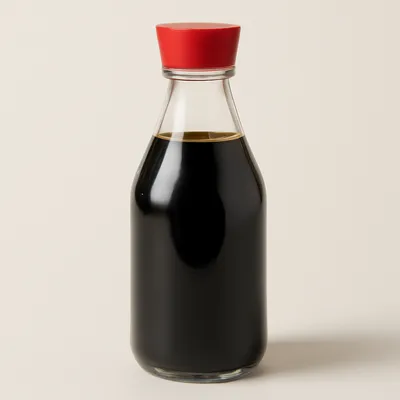
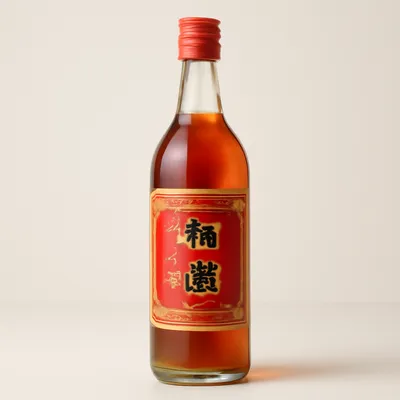
The dish is built on Shaoxing's most storied pantry staple. The local dried vegetable is properly called wu gan cai (黑菜) or mei gan cai—salted, sun-dried mustard greens (xue li hong, jiu tou jie) or rape—and it is one of the city's celebrated 'three blacks' (san wu) alongside the black felt hat and the black-awning boat. By the Qing dynasty the finest grade was a tribute food, supervised by the Shanxin county and Shaoxing prefecture and sealed for shipment to the capital. Braising it with pork belly is a quintessential Shaoxing household dish; the preserved greens were so beloved at home that Shaoxing native Lu Xun put them in his fiction—in the 1920 story 'The Storm,' a character pauses to admire 'what fragrant dried vegetable.'
The belly gives way at the touch of a spoon, fat melting clean rather than greasy, lean threads pulling apart soft. The dark, fat-soaked greens are the foil—chewy-tender, intensely savory, salty-sweet with a fermented tang that cuts the richness. Over rice the sticky, mahogany sauce carries both at once.
Two things make this dish. First, the cured greens are a flavor concentrate: salting and drying drive off water while fermentation and protein breakdown leave behind free glutamate and other amino acids (the greens carry a broad spread of amino acids), so a small handful delivers big savory depth; their black-brown color and roasted note come from sugars browning via the Maillard reaction during processing. Second, the long, gentle braise: held at a bare simmer the pork belly's collagen unwinds and dissolves into gelatin, turning the meat spoon-soft and giving the sauce body, while fat renders out—and the thirsty, dried vegetable acts as a sponge, soaking up that rendered fat so the meat tastes rich but not greasy and the greens turn glossy and tender. Rock sugar and soy add caramel color and balance the salt.
Variations
Two related forms exist. This braised version (mei gan cai men rou) cooks the meat and greens together in one pot. The better-known steamed form, mei gan cai kou rou, layers thin-sliced (often skin-deep-fried) belly fat-side-down over the greens in a bowl, steams it for hours, then inverts it onto the plate. The dried vegetable itself varies by place and base plant—xue li hong, larger-leaved mustard, jiu tou jie, or rape—and the dish has parallels in Hakka and Anhui (Huizhou) cooking. A few thin pieces of dried bamboo shoot are a common Shaoxing addition.
On the Palate
Where Shaoxing Preserved-Vegetable Braised Pork sits in the Chinese flavor cloud
Ingredients
Serves 4

How it's made
6 steps · 30 min
- 120 min
Rinse the dried preserved mustard greens several times in plenty of water to wash out grit and excess salt, then soak 15-20 minutes until softened; squeeze dry and chop coarsely.
Watch outRinse and soak the preserved greens well to wash out grit and excess salt — skip this and the dish turns gritty and too salty.
- 212 min
Cut pork belly into large 3-4 cm chunks. Blanch from cold water with a slice of ginger and a splash of Shaoxing wine, skimming the scum; drain and rinse.
Watch outBlanch the belly from cold water and skim the scum — that pulls out blood and off-smell for a clean-tasting braise.
- 38 min
In a dry or lightly oiled pot, brown the pork chunks over medium heat to render some fat and color the surface; spoon off excess oil if needed.
- 44 min
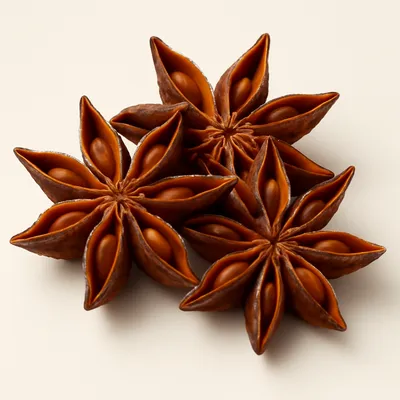
Add ginger, scallion, and star anise; deglaze with Shaoxing wine, then add light soy, dark soy, and rock sugar and stir to coat.
- 592 min
Stir in the soaked greens, then add hot water to just barely cover. Bring to a boil, then lower to a bare simmer and braise covered about 1.5 hours.
- 614 min
Uncover and reduce over higher heat until the sauce is thick and glossy and clings to the meat; the greens should be tender and the belly spoon-soft. Serve hot with rice.
Watch outReduce at the end until the sauce turns thick and glossy and clings — the belly should be spoon-soft and the greens tender.
Archive tool suggestions — not reviewed
These legacy suggestions have not been evidence-reviewed and are not presented as required tools.


