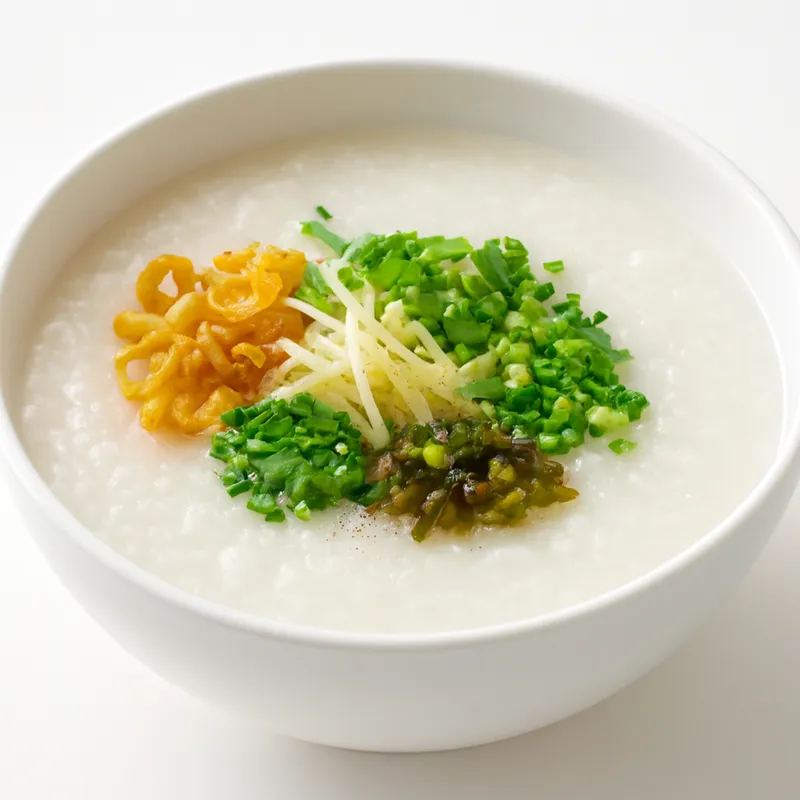
A everyday Cantonese stir-fry of velveted beef tossed fast over a roaring flame and glossed with oyster sauce. The beef is sliced across the grain, marinated with cornstarch and a little baking soda, then slid through warm oil so it stays tender; a quick toss with oyster sauce, soy, sugar, ginger, and scallion finishes it in under a minute. The dish lives or dies on wok hei — the seared, smoky breath a fierce flame leaves on the meat. Served glistening over rice, it is the plain home benchmark by which a Cantonese cook's wok is judged.
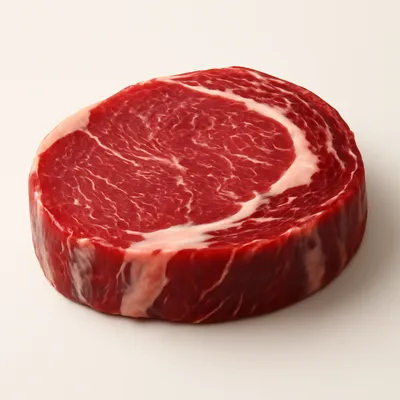





The dish is the union of two Cantonese fundamentals: the velveting-and-flash-frying of beef that defines home stir-fries, and oyster sauce itself, a Guangdong invention. Oyster sauce is traditionally credited to Lee Kum Sheung (李锦裳), who according to a widely repeated account left a pot of oysters simmering too long in his Nanshui (南水) eatery, in present-day Zhuhai, and found the reduced liquor turned a fragrant brown — he bottled it and founded Lee Kum Kee in 1888. With the sauce in every Cantonese kitchen, beef tossed in it became a standby of the cha chaan teng and the family table rather than a banquet dish. Its prestige rests not on a grand origin but on technique — the wok skill needed to keep cheap beef tender and smoky.
The beef arrives in thin, satiny slices, the edges just caught by the wok's heat, each one slicked in a thin mahogany sauce rather than drowned in it. First bite is tender to the point of slippery — the velveting at work — then the savory-sweet oyster depth, then a faint charred smokiness from the flame that no amount of sauce can fake. Scallion whites and ginger cut through the richness. The meat should yield, never chew like a band; if it's tough or grey, the wok wasn't hot enough.
Three things make it work. Velveting (上浆): thin slices are worked with cornstarch, a splash of water, and a pinch of baking soda, which raises the meat's surface pH and keeps the muscle proteins from clenching, so the beef stays soft. Oil-velveting (滑油): the slices are loosened in warm — not smoking — oil for a few seconds, sealing them before the final toss. Wok hei (镬气): the flame must be high enough to flash-vaporize droplets against the steel, scorching sugars and meat juices for that signature smoky aroma; this is why a feeble home burner struggles. The oyster sauce goes in late and is bound with a whisper of cornstarch slurry so it clings as a glaze, never a puddle.
Variations
Beef with bitter melon, with seasonal greens (gai lan, choy sum), or with bell pepper and onion are the common vegetable partners. Some cooks add a few drops of dark soy for a deeper colour, others a touch of Shaoxing wine splashed round the wok's rim for fragrance. Beyond beef, oyster sauce velveting carries gai lan (蚝油芥蓝), tossed noodles, and braised abalone. A cha-chaan-teng plate often serves it over rice with a fried egg.
On the Palate
Where Oyster-Sauce Beef sits in the Chinese flavor cloud
Ingredients
Serves 3

How it's made
8 steps · 35 min
- 13 min
Slice the beef across the grain into thin pieces about 3mm thick.
- 220 min
Marinate with cornstarch, light soy, a splash of water, a pinch of baking soda, and a little oil; rest 20 minutes.
Watch outWork the cornstarch and baking soda in until the slices feel slick and tacky, not wet — that coating is what keeps the beef tender through the fire.
- 32 min
Mix the sauce: oyster sauce, light soy, sugar, a little water, and a touch of cornstarch slurry.
- 42 min
Loosen the beef in warm oil for a few seconds until it just changes colour, then drain.
Watch outLoosen the beef in warm — not smoking — oil just until it changes color, then out — too hot and it seizes tough before the final toss.
- 51 min
Heat the wok until smoking, fry ginger and scallion whites until fragrant.
- 61 min
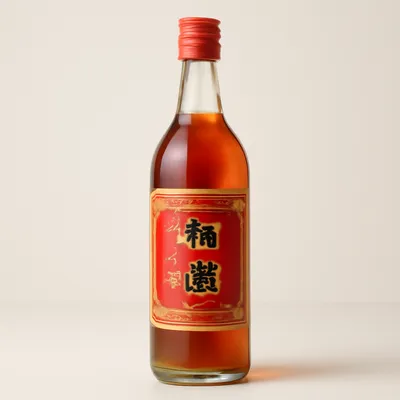
Return the beef, splash Shaoxing wine round the rim, and toss over the highest flame.
Watch outThe wok must be smoking and the flame roaring when the wine hits the rim — that flash of steam and scorch is the wok hei; a weak flame just steams the beef grey.
- 71 min
Pour in the sauce, toss for under 30 seconds until it glazes the beef.
Watch outToss the sauce in for well under half a minute, just until it glazes the beef — cook it longer and the meat overcooks and the glaze goes claggy.
- 81 min
Add scallion greens, give a final toss, and plate at once over rice.