
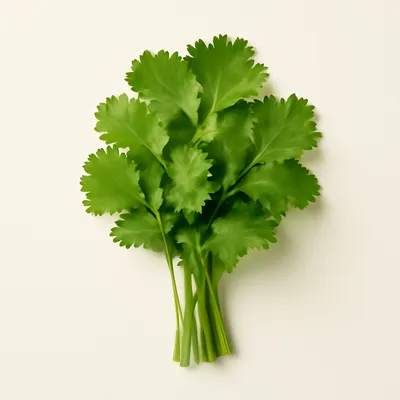
A dry-fried beef dish from the Wuzhishan (Five-Finger Mountain) highlands of central Hainan, Li and Miao country. It uses the small free-range yellow cattle raised on the mountain slopes, whose lean, fine-grained meat is kept skin-on, sliced, and dry-fried hard in a wok with the region's own mountain tea-seed oil (山柚油) until the edges crisp; ginger, garlic, chilli, and herbs season it, and it is finished with sesame seeds and coriander. Unlike Hainan's coastal seafood dishes, this is highland fare — beef from cattle that browse leaves in the hills above the rice country.
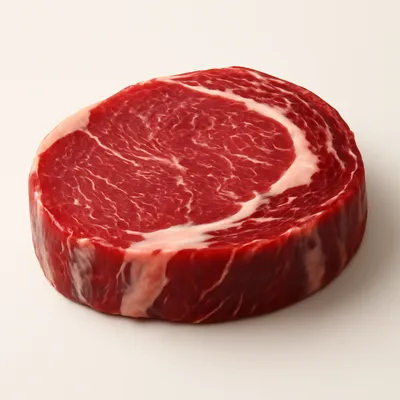





Wuzhishan, the highest massif in Hainan, is the heartland of the island's Li and Miao communities, and its small yellow cattle are a local specialty: Hainan-press and local-government food listings describe them as free-ranged on slopes above about 700 metres, uncorralled year-round and browsing wild leaves, which gives a dark-red, lean, fine-fibred meat. The cattle and this dish are part of the Wuzhishan highland table; in November 2024 the Wuzhishan municipal government named 五指山小黄牛 among the city's 'new ten famous dishes.' The dish has no single recorded inventor — it is the everyday mountain way of cooking the local beef, dry-fried skin-on with the region's mountain tea-seed oil. It fills Hainan's non-coastal, highland gap, set against the island's better-known coastal seafood and the lowland Wenchang chicken.
The beef comes out in thin slices with a dark, dry, almost charred surface and crisped skin along one edge, while the inside stays tender and a touch chewy — never the soft slip of a quick stir-fry, but a drier, more concentrated bite. The first taste is deep roasted-beef savor and the nutty, slightly grassy note of the mountain tea-seed oil, then the heat of chilli, the lift of ginger and garlic, and a final fragrance of sesame and coriander. Done well, the meat is dry-fried but not dried out — chewy-juicy with a crisp skin; done badly, it is either tough and parched from over-frying, or pale and steamed-tasting because the wok was not hot enough to drive off the moisture.
Dry-frying (干煸) is the whole technique: thin slices of lean beef are kept moving in a hot wok with relatively little oil and no added liquid, so the meat's own surface moisture is driven off and the proteins brown through the Maillard reaction, concentrating the flavor and firming the texture. The cattle's lean, low-fat, fine-grained meat suits this — there is little fat to render out, so the slices dry and crisp rather than stew. Keeping the skin on matters: its collagen-rich layer firms and crisps against the hot wok, adding a chewy-crisp contrast the muscle alone cannot give. The mountain tea-seed oil (山柚油, pressed from Hainan oil-tea seeds) has a high smoke point and a distinctive nutty aroma that holds up to the high dry heat without burning. Chilli, ginger, and garlic are added once the meat is browned so their aromatics bloom in the residual hot oil rather than scorching, and sesame and coriander go in off the heat to keep their fragrance.
Variations
The seasoning shifts by cook and community: some keep it plainer with just ginger, garlic, and the mountain tea-seed oil to let the beef and oil speak; others go heavier on dried or fresh chilli and Hainan herbs. The same Wuzhishan beef appears in other forms on the highland table — as a beef hotpot (五指山牛一锅) and as a sour-soup beef — and air-dried mountain beef jerky (牛肉干) is made from it in the area. Beyond Wuzhishan, the small yellow cattle of Hainan's central mountains are cooked the same dry-fried, skin-on way wherever they are raised.
On the Palate
Where Wuzhishan Small Yellow Beef sits in the Chinese flavor cloud
Ingredients
Serves 3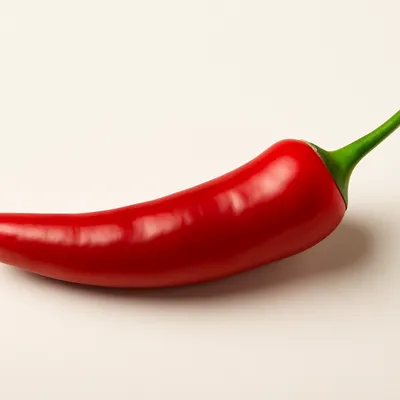
How it's made
6 steps · 20 min active + 10 min waiting
- 18 min
Slice the skin-on beef thinly across the grain, keeping a strip of skin on each piece; pat the slices very dry.
Watch outPat the sliced beef very dry before it goes in — dry-frying drives moisture off, so any surface water just steams and stops it browning and crisping.
- 25 min
Heat a wok until smoking hot, add mountain tea-seed oil, and add the beef in batches, dry-frying over high heat and tossing constantly to drive off moisture.
- 34 min
Continue frying until the slices are browned, the edges and skin crisped, and the meat is dry-fragrant rather than wet.
Watch outFry until browned and the edges and skin crisp and the meat smells dry-fragrant, not wet — that's the point 干煸 has driven off the moisture.
- 42 min
Push the meat aside, add sliced ginger, garlic, and chilli to the hot oil and fry briefly until fragrant, then toss with the beef.
- 51 min
Season with a little salt and light soy sauce, tossing to coat, and adjust the heat so the seasonings cling without burning.
- 61 min
Take off the heat, scatter over toasted sesame seeds and chopped coriander, and serve hot.


