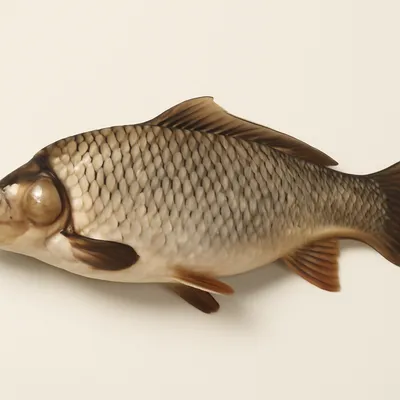




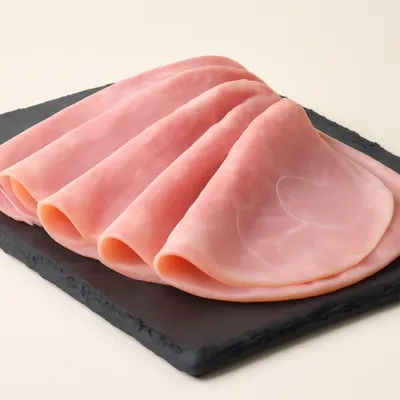
Pengcheng fish balls were created during the Qing Kangxi period (r. 1661–1722) by chef Li Zichang at the Yuetai Restaurant in Xuzhou (one account credits chef Zhai Shiqing). The balls were originally called 银珠 (silver pearls) for their lustrous white color. Their fame spread when the reformist scholar Kang Youwei dined in Xuzhou and praised them in the couplet: 彭城鱼丸闻遐尔,声誉久驰越南北 (The fish balls of Pengcheng are heard far and wide; their renown has long run north and south). After that the name 银珠 was retired and 彭城鱼丸 became canonical.
Lifted from the broth, the ball quivers like a soft pearl — cool white, faintly translucent at the edge. It collapses gently at the first bite, releasing a clean, sweet carp flavor with just enough salt, a back-note of ginger, and a velvety resilience that lingers on the tongue.
The elasticity of Pengcheng fish balls depends on a myosin-actin gel network. Salt (8–12 g per kg of fish) dissolves the muscle protein actomyosin, which unfolds and forms covalent disulfide cross-links when heated to 70–80 °C, building a firm, bouncy gel. Stirring the paste in one direction aligns protein chains, increasing gel strength. Egg white (rich in ovalbumin) reinforces the network with additional heat-set proteins. Rinsing the fish paste in cold water before forming removes blood and myoglobin — eliminating fishiness — while concentrating the myofibrillar proteins that determine final texture. Poaching below a full boil (never rolling) prevents the gel network from over-contracting and toughening.
Variations
The classic version uses carp as the sole fish; some restaurants substitute grass carp or a blend of freshwater species for a milder flavor. A stuffed variant hides a sliver of ham or pork fat at the center for added richness.
On the Palate
Where Pengcheng Fish Balls sits in the Chinese flavor cloud
Ingredients
Serves 4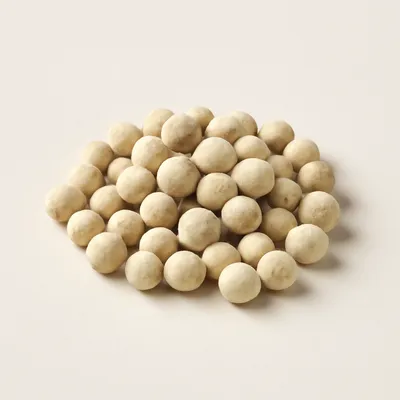

How it's made
7 steps · 1 hour 5 min
- 115 min
Fillet the carp, remove all bones and skin, and scrape the flesh into a bowl; rinse repeatedly in cold water until the water runs clear, then squeeze dry in cheesecloth.
Watch outRinse the scraped fish until the water runs clear and squeeze it bone-dry — leftover blood means a fishy, greyish ball instead of a white, clean one.
- 210 min
Add salt to the fish meat and begin beating in one direction with a wooden spatula, gradually incorporating ginger-scallion water in small increments.
Watch outBeat the paste in one direction only until it turns sticky and pulls from the bowl — that one-way stirring is what builds the springy bounce.
- 310 min
Once the paste is sticky and pulls cleanly from the bowl wall, fold in lightly beaten egg white; continue beating in one direction until silky and able to hold a soft peak.
- 410 min
Cover the paste and refrigerate for 10 minutes to firm it slightly, making it easier to shape into uniform balls.
- 55 min
Heat a pot of unsalted water to 70–80 °C (below a rolling boil). Squeeze the paste through the thumb-and-forefinger circle, dropping balls directly into the water.
Watch outHold the water at a bare tremble, 70 to 80 — a hard boil tears the raw balls apart before they set.
- 66 min
Poach gently, never letting the water boil hard, until the balls float and are cooked through, about 5 to 6 minutes; remove with a slotted spoon.
- 74 min
Serve in clear superior stock seasoned with salt and white pepper, garnished with shredded ham and fresh scallion.
Archive tool suggestions — not reviewed
These legacy suggestions have not been evidence-reviewed and are not presented as required tools.


