Chilled beef honeycomb tripe slow-simmered in chicken broth until silky-tender, then dressed in a compound chili oil drawn from four Shaanxi pepper varieties. Glossy, fragrant, and warmly spiced — a cold starter built on layers of heat rather than blunt fire.




Developed within the Guanzhong halal restaurant tradition, reportedly in the latter decades of the twentieth century. A Xi'an halal chef adapted the older technique of cold-dressed tripe — replacing shredded smooth stomach with whole honeycomb tripe and a single-pepper oil with a four-chili compound oil. The dish became associated with established Xi'an halal restaurants and reportedly won recognition at a national culinary competition, entering the repertoire of formal Shaanxi cold-dish spreads thereafter.
The tripe arrives chill-firm but immediately yields — dense, springy, a little chewy — and the red oil has worked into every honeycomb pocket. Fragrance registers first: toasted, aromatic. Then heat builds slowly, layered and persistent, finishing as a warm tingle rather than a blunt burn.
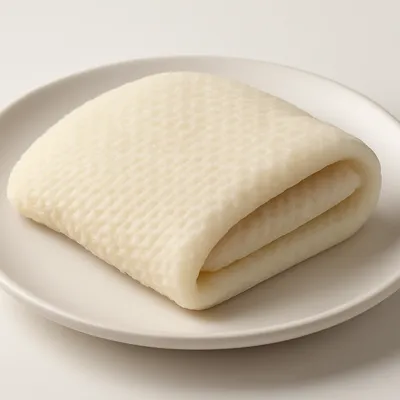
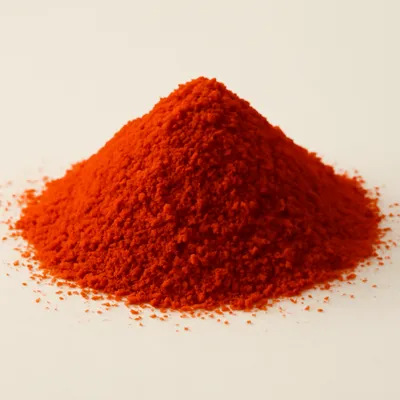
Honeycomb tripe is the reticulum, the second stomach of cattle, whose geometric chambers trap and hold dressings far more effectively than smooth-cut tripe. Long simmering in chicken broth at low temperature hydrolyzes collagen into gelatin, producing a silky, yielding texture without toughening the muscle fibers. The four-chili compound oil layers distinct capsaicin concentrations and fat-soluble aromatic compounds: Qin pepper supplies intense color from high capsanthin content; Er Jingtiao contributes rich ester-type fragrance; bird's eye chili delivers sharp high-Scoville heat; Xinjiang dried chili adds a drier, earthier base note. Pouring oil in successive stages at slightly different temperatures extracts different aromatic fractions from each chili layer.
Variations
Some cooks substitute pig honeycomb stomach for beef tripe, giving a softer, milder result. A less fiery version reduces bird's eye chili and increases Er Jingtiao to foreground fragrance over heat. Newer restaurant adaptations add black rice vinegar or sesame paste to the dressing, creating a Sichuan-Shaanxi hybrid cold dish.
On the Palate
Where Red Oil Honeycomb Tripe sits in the Chinese flavor cloud
Ingredients
Serves 4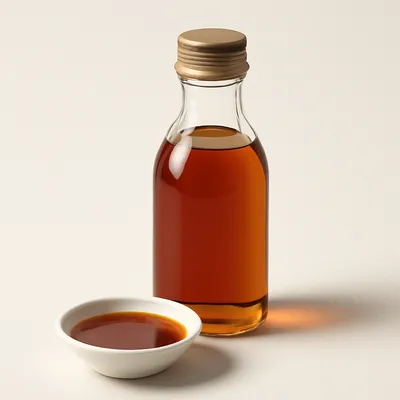
How it's made
7 steps · 30 min
- 15 min
Rinse honeycomb tripe thoroughly under cold running water; blanch in boiling water for 2 minutes; drain and set aside.
- 215 min
Make compound chili oil: heat neutral oil to 180°C; infuse with star anise, cinnamon, Sichuan pepper, and bay leaves for 3 minutes; remove spices; pour hot oil in three separate stages over the four layered chili powders in a heatproof bowl, stirring gently between pours.
Watch outPour the hot oil over the chili powder in three stages, stirring between — one dump scorches the top layer bitter and never blooms the aroma underneath.
- 350 min
Place blanched tripe in a pot with chicken broth, sliced ginger, salt, and Shaoxing wine; simmer over low heat for 45 minutes until tender throughout.
Watch outSimmer gently until a piece bends without snapping — under-cooked tripe stays rubbery and squeaks against the teeth.
- 425 min
Remove tripe from broth; cool to room temperature; refrigerate for 20 minutes until firm and well chilled.
Watch outChill until fully firm before slicing — warm tripe tears ragged instead of cutting into clean, dressing-holding pieces.
- 55 min
Slice chilled tripe into pieces about 5mm thick, or cut into thin strips.
- 65 min
Toss tripe with compound red oil, sesame oil, rice vinegar, a pinch of sugar, and minced garlic; mix until every piece is evenly coated.
- 73 min
Plate; drizzle additional red oil over the top; garnish with toasted sesame seeds and sliced scallions; serve immediately.
Archive tool suggestions — not reviewed
These legacy suggestions have not been evidence-reviewed and are not presented as required tools.



