
Cantonese sweet fermented-soybean glaze with five-spice and garlic, thick as plum jam. The lacquer and dip of Cantonese roasts — char siu, roast goose and suckling pig.




Cantonese kitchens, late Qing — 'hoisin' is 海鲜 (haixian, seafood) in Cantonese, though no seafood goes in. Likely a marketing handle when the sauce served as a dipping condiment for steamed fish in Guangzhou and Hong Kong before WWII.
Lee Kum Kee and Koon Chun are the two reference brands; Koon Chun's recipe (Hong Kong, founded 1928) uses sweet potato instead of wheat, which is why it reads less floury.
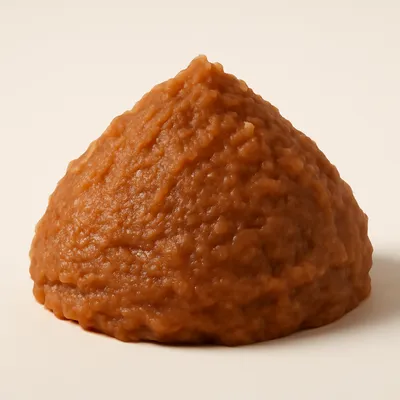
Mahogany, glossy, near-jam thick. Sweet first (sugar + fermented soy), garlic-anise mid, salty-funky tail. Sticks to a spoon in a slow ribbon. Burns fast on heat — brush at the end, not the start.
Fermented soybean paste does the umami; sugar (often 25–30% by weight) and sweet potato starch carry the lacquer. Brushed on Cantonese roast goose or char siu during the last few minutes — earlier and the sugar burns black before skin crisps.
Variations
Hong Kong-style (Koon Chun, sweet-potato base, glossy); Guangzhou-style (Pearl River bridge, wheat-flour thicker); homemade Tianjin riff swaps in tianmianjiang for half the soy paste, drier and saltier.
On the Palate
Where Hoisin Sauce sits in the Chinese flavor cloud
Ingredients
Serves 6How it's made
4 steps · 2 min active + 18 min waiting
- 13 min
Mix 200 g fermented soybean paste + 80 g molasses + 60 ml soy sauce + 30 ml rice vinegar.
- 22 min
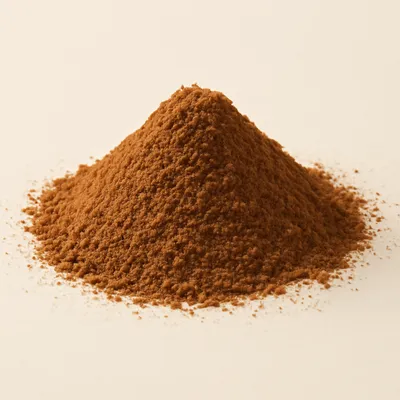
Add 4 garlic cloves minced + 1 tbsp five-spice powder + 1 tbsp sesame oil.
- 310 min
Simmer 10 min to plum-jam thickness; cool.
Watch outSimmer only until it mounds like plum jam on the spoon — push it further and the high sugar scorches and turns acrid.
- 45 min
Jar; refrigerate; brush on roast pork, char siu, or Peking duck wraps.
Watch outBrush it on only in the last few minutes of roasting — go on early and the sugar blackens before the skin ever crisps.


