
Sam Kap Dai is a clear, quick-cooked Hakka soup built on three pork 'treasures' — thin-sliced lean pork, pork liver, and cleaned pork small intestine — slipped into a light bone broth and simmered only until just done, then finished with goji leaves or sweet-potato leaves and often enoki mushrooms. The name borrows the imperial-examination ranks (三及第, the top three or three successive degrees), reflecting a Hakka scholarly culture that prized study alongside farming. It is everyday breakfast fare in Meizhou and across the wider Hakka region, classically eaten with a bowl of dry-tossed pickle noodles. The whole dish turns on timing: the liver must stay pink and silky, the lean pork tender, the intestine clean and never rubbery.


Sam Kap Dai is documented as a Han Hakka dish of eastern Guangdong, named after the imperial examination: in the civil-service era 三及第 referred to passing as a scholar, then provincial graduate, then metropolitan graduate in succession (one reading), or to the top three palace-exam ranks of zhuangyuan, bangyan and tanhua (another). Chinese sources tie the name to the Qing-dynasty zhuangyuan Lin Zhaotang of Wuchuan, who is said to have favoured a congee of three pork organs likened to the three ranks; a later Jiaoling scholar is recorded as reworking that congee into a soup of pork loin, liver and intestine, keeping the auspicious name. The Jiaoling version of the soup carries roughly two hundred years of history and was listed among Guangdong's provincial intangible cultural heritage in 2015. A separate Cantonese tradition of 三及第 also exists in the form of congee and lai-fun, but the Hakka soup is the form centred here; the meats and greens vary by household and county.
The broth is clear and light, sweet from bone stock and a touch of pickled mustard, never heavy. Each spoonful gives three textures at once: silky liver that barely yields, tender slices of lean pork, and springy-but-clean intestine with a faint offal richness. The goji or sweet-potato leaves add a fresh, slightly grassy bitterness that cuts the meat; enoki, if used, lend a soft slither. It eats hot, brisk and restorative — a morning soup, not a slow tonic.
Everything depends on cooking the organs only to the point of doneness in already-boiling liquid. The lean pork is sliced thin and tossed with a little sweet-potato or potato starch: the starch gelatinises on the surface and seals in juices, so the slices stay tender rather than seizing. Liver is added last and for the shortest time — held past raw but well short of overcooked, so its proteins set just enough to turn silky while staying pink, since prolonged heat makes it grainy and chalky. The intestine is the cleaning job: scraped and washed until odour-free, then cut and cooked briefly so it stays springy, not tough. A spoon of fermented rice brine (糟汁) and pickled mustard season the broth and lend gentle acidity and depth, while the goji or sweet-potato leaves go in at a rolling boil for only seconds to keep their colour and fresh edge.
Variations
The greens shift with season and county — goji leaves are the Meizhou classic, but sweet-potato leaves, watercress, or even houttuynia and a wild medicinal herb (溪黄草) appear in more careful kitchens. The trio of meats is not fixed: pork loin, liver and intestine is the common modern set, while older accounts of the Lin Zhaotang version use pork kidney or tripe, or substitute meatballs and ox liver. Some cooks build the base from tube-bone stock simmered ahead; others poach straight in seasoned water with a splash of fish sauce. The Hakka soup should not be confused with the Cantonese 三及第 of Guangzhou, which more often takes the form of a congee or of lai-fun noodles using the same 'three ranks' conceit.
On the Palate
Where Sam Kap Dai Soup sits in the Chinese flavor cloud
Ingredients
Serves 2
How it's made
6 steps · 20 min
- 110 min
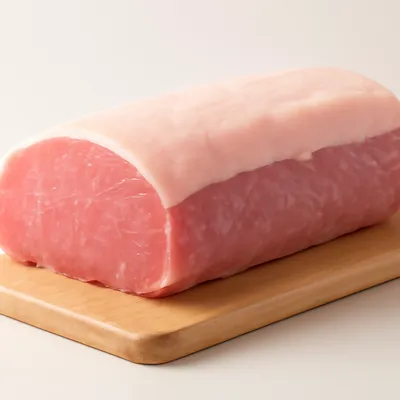
Scrape and rinse the pork small intestine until it is clean and free of odour, then cut into short segments; slice the lean pork and pork liver thinly.
- 23 min
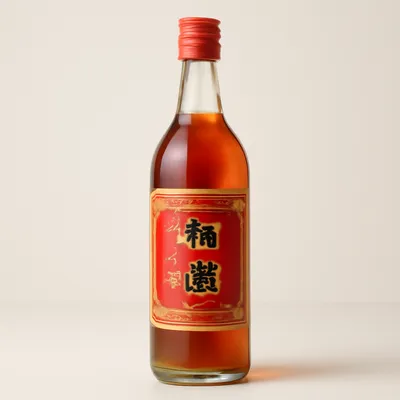
Toss the lean pork slices with a little sweet-potato or potato starch and a splash of Shaoxing wine; rinse the liver and set aside.
Watch outToss the sliced lean pork with a little starch — the starch gelatinizes on the surface in the broth and seals in the juices so the slices stay tender instead of seizing.
- 33 min
Bring tube-bone stock (or seasoned water) to a rolling boil; add a little pickled mustard and a spoon of fermented rice brine.
- 42 min
Slip in the intestine segments first and cook briefly, then add the lean pork slices and let the broth return to a boil.
- 51 min
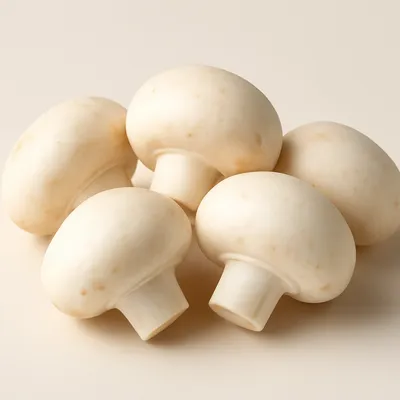
Add the pork liver and the enoki mushrooms, cooking only until the liver is just set and still pink inside.
Watch outAdd the liver last and cook it only until just set and still pink inside — a moment too long and it turns grainy and chalky.
- 61 min
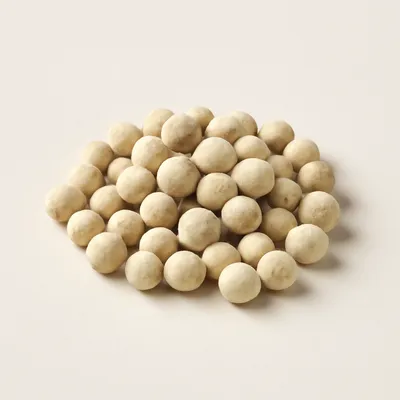
Throw in the goji leaves or sweet-potato leaves, season with salt and white pepper, and serve the moment the greens wilt.
Watch outServe the instant the greens wilt — the liver and organs are already at their tender peak, and extra heat only toughens everything.
Archive tool suggestions — not reviewed
These legacy suggestions have not been evidence-reviewed and are not presented as required tools.


