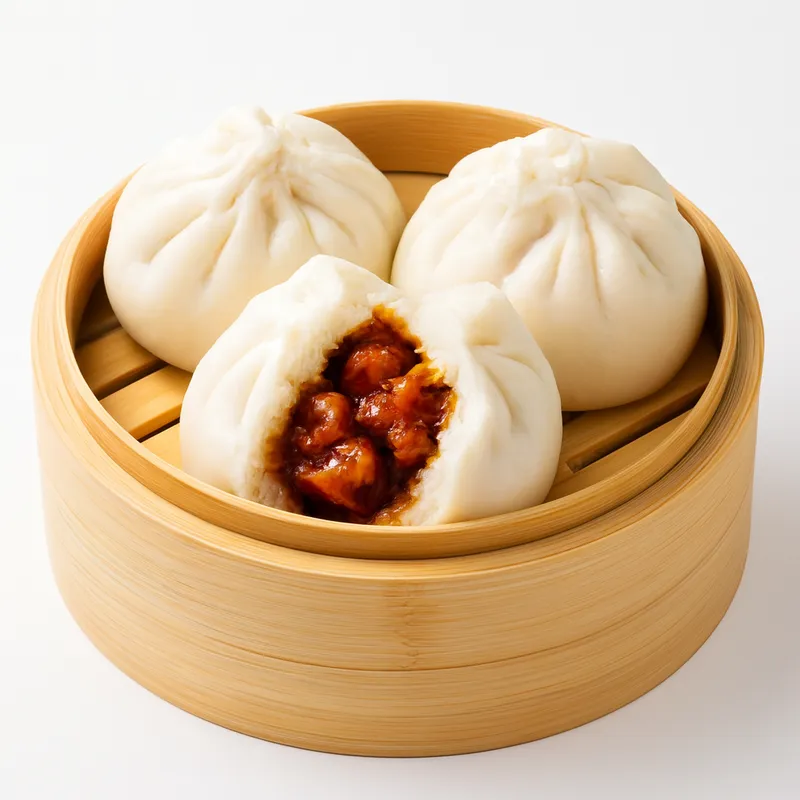
A gentle seasonal pairing of sweet mountain chestnuts and tender napa cabbage hearts, briefly braised in a light, clear sauce until the chestnuts turn meltingly soft and the greens stay bright and crisp. A quiet, elegant Xiangxi home dish that lets two autumn-winter harvests speak for themselves.



Chestnuts have been cultivated and consumed across China for well over a thousand years. Li Shizhen's Bencao Gangmu (1596) compiles earlier medical texts that recorded chestnuts as benefiting the kidney qi, fortifying the stomach and intestines, and supporting the qi — placing them among the most valued autumn foods in Chinese medical tradition. The mountain chestnuts of western Hunan — called 'oil chestnuts' (you banliu) for their unusually rich lipid content — have long been prized for their particularly dense and sweet flesh. Pairing them with blanched cabbage hearts in a light braise is a longstanding home-cooking custom throughout the Xiangxi basin, born from the practical logic of combining two crops that reach their peak at the same time in late autumn.
The chestnut yields at the lightest press — dense, floury, and quietly sweet, like a warm mouthful of late-autumn mountain air. The cabbage hearts stay crisp-tender and lightly mineral. The thin, barely-there sauce ties them together without distracting from either.
Chestnuts are uniquely starch-rich among nuts, with dry-weight starch content of roughly 50–60%, compared to under 10% in almonds or walnuts. Above 60°C, these dense starch granules absorb water and gelatinize, creating the characteristically creamy, floury texture. Pre-steaming the chestnuts after a brief high-heat fry promotes even gelatinization from the center outward, preventing the common failure of hard cores. Napa cabbage hearts' chlorophyll is heat-sensitive; a brief blast over high heat followed by rapid sauce application retains their bright green color. The final cornstarch slurry forms a thin coating over each piece, locking in moisture and helping the two ingredients exchange flavors gently without making the dish heavy.
Variations
Wood Ear Mushroom Addition: rehydrated black wood ear fungus added alongside the chestnuts contributes a silky, crunchy texture contrast and mild umami without overwhelming the dish's clean flavors. Chicken Broth Version: light chicken stock replaces water in the braise, creating a more substantial sauce that still lets the chestnuts dominate. Pork Belly Accent: thin-sliced pork belly stir-fried first to render its fat, then removed while the chestnuts and greens cook in the seasoned oil — common in Hunan home kitchens as a way to enrich a vegetable-forward dish without adding bulk.
On the Palate
Where Braised Chestnuts with Greens sits in the Chinese flavor cloud
Ingredients
Serves 4
How it's made
8 steps · 15 min active + 10 min waiting
- 120 min
Score each chestnut with an X on the flat side; boil for 15 minutes or roast at 200°C for 10 minutes; peel while warm, removing both the hard outer shell and the bitter inner skin
Watch outPeel the chestnuts while still warm and get both the hard shell and the bitter brown inner skin off — let them cool and the skin clings tight; any skin left turns the dish astringent.
- 25 min
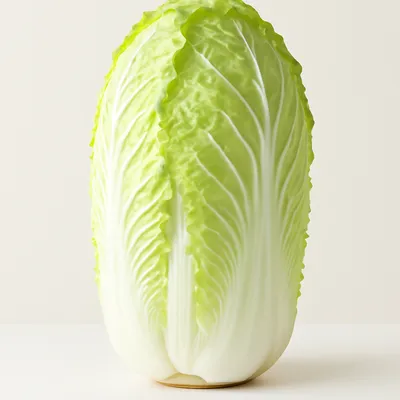
Separate napa cabbage into individual leaves; cut into 5cm sections; blanch in well-salted boiling water for 30 seconds; drain and set aside
- 33 min
Heat lard in wok over high heat; fry peeled chestnuts 2 minutes, turning, until surface turns lightly golden; transfer to a small heatproof bowl
- 410 min
Add a pinch of salt to the chestnuts; steam over high heat for 10 minutes until fully tender through the center
Watch outSteam the chestnuts ten minutes until they're tender clear to the center — poke one to check; a hard core in the middle is the classic failure here.
- 53 min
Heat fresh lard in wok over high heat until nearly smoking; add cabbage heart sections with a pinch of salt and stir-fry briskly for 1 minute until just wilted but still bright green
Watch outFire the cabbage hearts in near-smoking lard for just one minute until barely wilted but still bright green — drag it out and the heat-sensitive green goes dull and yellow.
- 62 min
Transfer cabbage to a warmed serving plate; arrange steamed chestnuts on top
- 73 min
Return wok to heat; add light stock or water, bring to a boil; season with salt and a small pinch of sugar; thicken with 1 tsp cornstarch dissolved in 2 tsp cold water
- 82 min
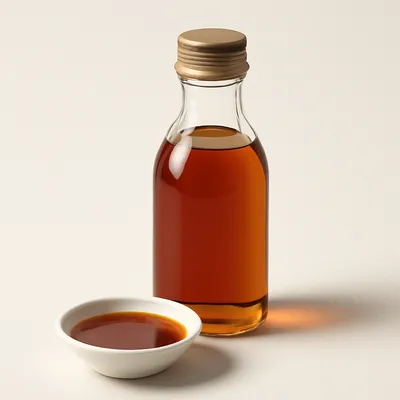
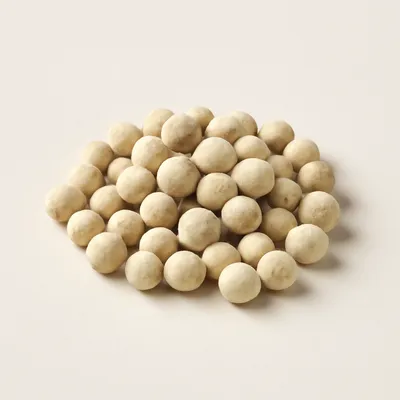
Pour the thin sauce over the chestnuts and cabbage; finish with a drizzle of sesame oil and a light dusting of white pepper; serve immediately
Archive tool suggestions — not reviewed
These legacy suggestions have not been evidence-reviewed and are not presented as required tools.