Silken tofu braised with the extracted roe and crabmeat of hairy crabs, enriched with lard and ginger, yielding a dish of extraordinary delicacy. The amber crab roe lacquers the ivory tofu blocks in a trembling, glossy sauce that carries the concentrated essence of autumn's finest crustacean.
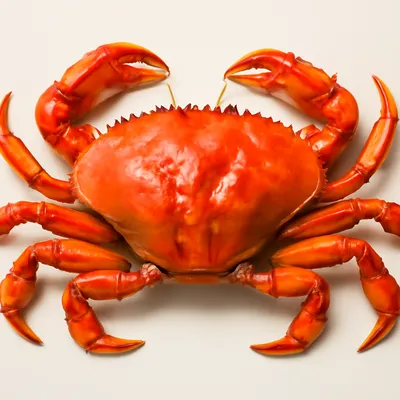
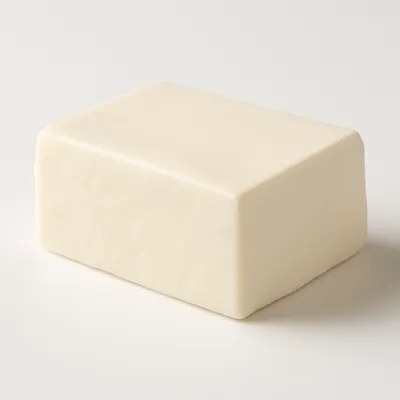
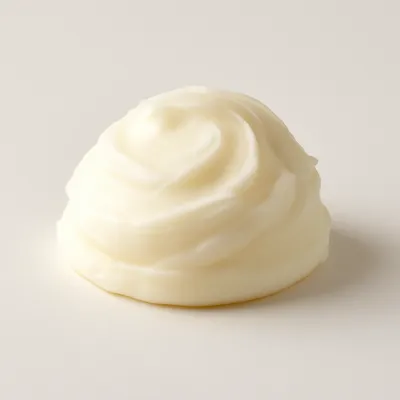

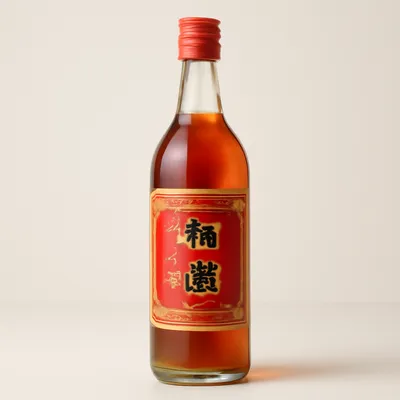

Crab roe tofu is a seasonal showpiece of Shanghai's Benbang (native Shanghai) cuisine, timed to the arrival of hairy crabs from Yangcheng Lake and Taihu Lake each autumn. A 1950 recipe published in the Xinmin Evening Post details what was already a standard preparation — steaming live crabs, extracting roe by hand, then braising with tofu — indicating the dish had solidified as a banquet fixture by mid-20th century. From the late Qing dynasty onward, upscale Benbang establishments developed an extended family of crab-roe compositions: crab roe with fish maw, with shark fin, with bean curd skin. Crab roe tofu, the most accessible of these, survived every era because its balance of luxury ingredient and humble carrier made it equally at home on banquet tables and in family kitchens.
Silken tofu dissolves against the palate while pockets of warm crab roe burst with briny, fatty sweetness — a texture contrast that is simultaneously ethereal and deeply satisfying, leaving a long, savory finish that calls for another piece.
Tofu's open protein network — primarily soy globulins forming a gel matrix after coagulation — acts as a sponge, absorbing the crab cooking liquid that carries soluble free glutamates and inosinates released from crab muscle during steaming. At the same time, fat-soluble compounds in crab roe (carotenoids responsible for the amber color; phospholipids from the hepatopancreas) dissolve into the hot lard, creating a rich lipid carrier that penetrates and coats the tofu interior during braising. Ginger's gingerol and shogaol form non-volatile complexes with trimethylamine — the main source of crab fishiness — suppressing the off-note without masking the underlying shellfish sweetness.
Variations
Crab roe lion's head meatballs (蟹粉狮子头) fold the same roe mixture into large steamed pork balls, elevating a Jiangnan classic to banquet-grade luxury. Crab roe fish maw (蟹粉鱼肚) replaces tofu with rehydrated swim bladder for a more gelatinous texture. During the off-season, home cooks make a credible stand-in using mashed salted egg yolk with shrimp paste — it mimics the amber color and fatty richness without live crabs.
On the Palate
Where Crab Roe Tofu sits in the Chinese flavor cloud
Ingredients
Serves 2
How it's made
6 steps · 30 min
- 112 min
Steam hairy crabs until shell turns bright orange (12 min); cool until handleable, then extract all roe and crabmeat using chopsticks and a small spoon — reserve the steaming liquid
- 21 min
Heat 2 tbsp lard in wok over medium-high; add minced ginger and stir until fragrant, about 30 seconds
- 32 min
Add extracted crab roe and crabmeat; splash with Shaoxing wine and stir-fry 2 minutes until roe deepens to a rich amber and smells intensely savory
Watch outStir-fry the roe with wine until it deepens to rich amber and smells intensely savory — that color shift means the fat and aroma have opened up.
- 41 min
Carefully add silken tofu cut into 2-cm cubes; pour in reserved crab steaming liquid and a splash of water to just barely cover the tofu
- 55 min
Season with salt and a pinch of white pepper; braise gently over medium-low heat, 4–5 minutes, until sauce reduces and clings to tofu — shake the wok rather than stirring to keep cubes intact
Watch outBraise gently and shake the wok instead of stirring — silken tofu breaks apart under a spatula, and you want the cubes whole.
- 61 min
Drizzle a final spoonful of lard to add gloss; gently fold once and transfer to a shallow bowl; scatter minced scallion green and serve immediately
Archive tool suggestions — not reviewed
These legacy suggestions have not been evidence-reviewed and are not presented as required tools.


