
A signature Hangzhou vegetable dish of tender Qingming-season spring bamboo shoots, cut into rolling-knife chunks, stir-fried in generous oil, then braised down with dark soy and sugar to a glossy red-brown glaze. Sweet-savory, fresh, and crisp-tender.




A classic of Hangzhou (杭帮菜) home and restaurant cooking, built on the brief spring window when bamboo shoots are at their most tender. The 油焖 (oil-braise) technique — heavy oil and sugar reduced to a glaze with no added water — is folk in origin and has no single inventor, but the dish itself was formally named one of Zhejiang's 36 famous Hangzhou dishes in 1956, and it appeared in the 2012 documentary A Bite of China.
Glossy red-brown chunks that snap crisp-tender at the bite, then turn sweet. The shoot keeps a faint fibrous spring in its core while the surface drinks up the sweet-savory glaze; the sauce clings and shines rather than pooling on the plate.
Raw spring shoots — especially thin 雷笋 (thunder shoots, up around Qingming) — carry oxalic acid plus tannins and phytic acid, which bind proteins on the tongue and read as astringent and harsh, so the shoots are blanched in boiling water first; this dissolves out roughly 30-50% of the oxalic acid (it is water-soluble) along with much of the bitterness. The 油焖 method then does the rest: generous oil coats the fibrous shoot, carries fat-soluble flavor and gives sheen, while sugar caramelizes (dehydrating and browning above its melting point) and the dark soy contributes its own caramel and Maillard browning for the deep red color. Braising with little or no water keeps the sauce concentrated so it reduces to a glaze that clings, softening the fibers while the seasonal tenderness of the shoot preserves a crisp core.
Variations
Lei shoots (雷笋, thin, sweeter, higher sugar-acid ratio) and mao shoots (毛笋, lower fiber, crisper) are both prized; off-season, winter shoots (冬笋) stand in. The Hangzhou classic is vegetarian, but home cooks often braise the shoots with cured pork (咸肉) or preserved greens (干菜). Traditionalists split and pound the shoots rather than knife-cutting them so they soak up more sauce, and finish with sesame oil; some add a splash of stock, others keep it strictly oil-sugar-soy. The same spring shoots also go into 腌笃鲜 (a fresh-and-cured pork soup) — a different, brothy treatment.
On the Palate
Where Oil-Braised Spring Bamboo Shoots sits in the Chinese flavor cloud
Ingredients
Serves 3
How it's made
7 steps · 15 min
- 15 min
Peel the spring bamboo shoots, trim the tough base, and cut into rolling-knife chunks about 4-5 cm.
- 25 min
Blanch the chunks in boiling water for 3-5 minutes to draw out oxalic acid and astringency, then drain well.
Watch outBlanch the shoots three to five minutes to leach out the oxalic acid and astringency — skip it and the dish tastes harsh and bitter on the tongue.
- 34 min
Heat a generous amount of oil to about 60-70% hot and stir-fry the shoots until the edges color and lightly blister.
Watch outFry the shoots in plenty of hot oil until the edges colour and lightly blister — that oil coat and gloss is the whole soul of 油焖.
- 41 min
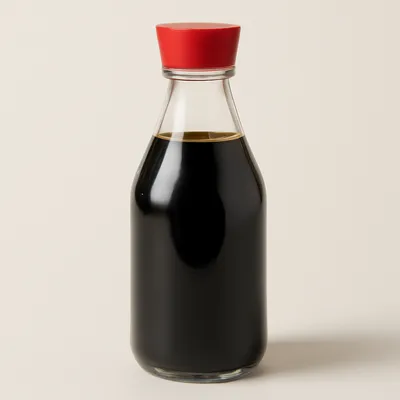
Add dark soy sauce and a little light soy, tossing to coat the shoots an even red-brown.
- 56 min
Add sugar and a small splash of stock or water, then braise over medium heat, covered, to soften the shoots.
- 63 min
Uncover and reduce over higher heat until the sauce thickens to a glossy glaze that clings.
Watch outReduce over high heat until the sauce turns glossy and clings to each piece — stop while it's still watery and the flavor won't cling.
- 71 min
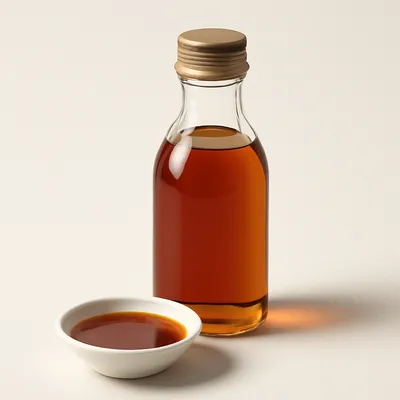
Drizzle with a little sesame oil, toss once, and serve.


