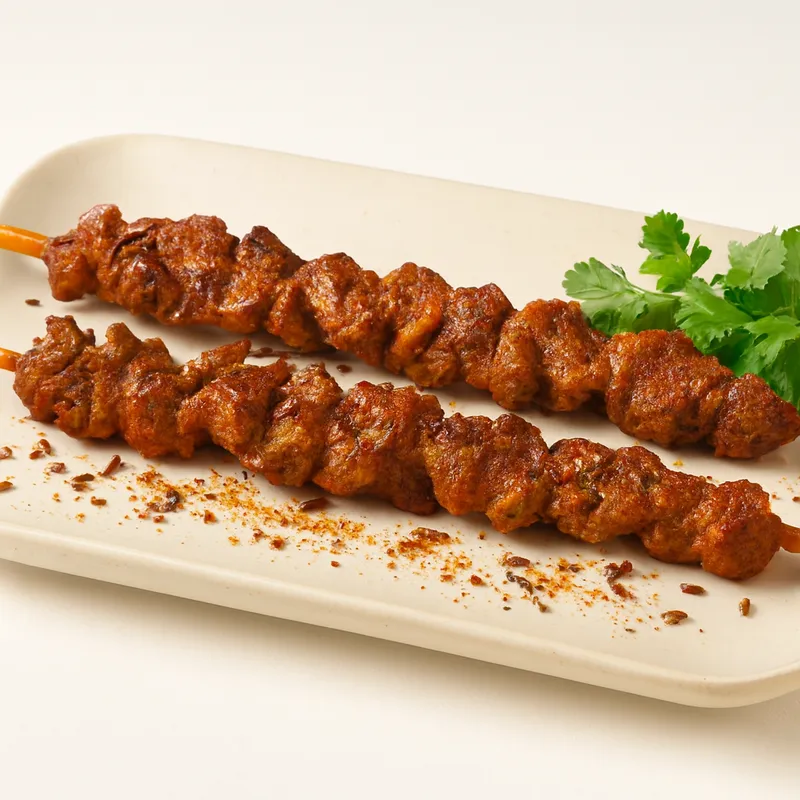
Hong Kong's quintessential street snack — mixed beef offal (tripe, intestine, lung, tendon) slow-braised for hours in a five-spice master stock, served on bamboo skewers from a bubbling street cart. Born in Guangzhou's western Liwan district, it crossed into Hong Kong with mainland migrants and became one of the definitive tastes of the 大牌檔 era.
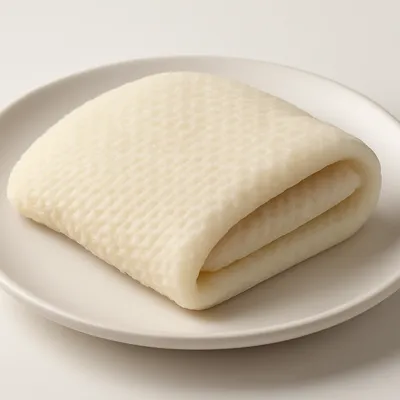



Cantonese beef offal braising originated in Guangzhou's Liwan district (西关), where butchers applied five-spice master stock to the tripe, intestine, lung, and tendon left over after cattle were slaughtered — a practical tradition of using every part of the animal. The technique was documented as part of Guangzhou's culinary heritage, representing the essence of working-class West Guangzhou cooking. In the 1950s, waves of mainland migrants brought the dish to Hong Kong's street stalls and 大牌檔, where it joined fish balls and rice noodle rolls as a defining street food. Today, the dish has spread with Cantonese diaspora communities to Macau, Taiwan, Australia, Canada, and North America.
Each piece carries its own character: tripe is firm yet yielding with a honeycomb chew; tendon is silky and gelatinous; intestine is plump and savory. Five-spice brine permeates every cut. A dab of chili sauce cuts the richness; a sip of the hot master stock between bites completes the experience.
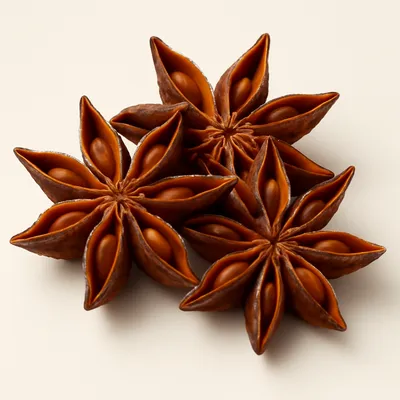
Each organ requires different braising times due to variation in collagen density and wall thickness. Tripe — the ruminant stomach wall — has dense muscular layers that soften only after 2+ hours. Tendon, composed almost entirely of type I collagen, needs 2.5–3 hours to convert fully into gelatin, yielding its characteristic silky texture. The five-spice master stock's key aromatic volatiles — trans-anethole from star anise, cinnamaldehyde from cassia, eugenol from cloves — penetrate the porous offal tissue during slow braising and co-distill with sulfurous odor compounds (trimethylamine, indole) inherent in organ meat, neutralizing the off-aroma while depositing deep spice fragrance.
Variations
Hong Kong street style: skewered on bamboo, pot includes daikon radish that soaks up the stock; Guangzhou style: served in a bowl with broth, no skewer; Chaoshan hotpot style (卤牛雜火鍋): order by piece at a tableside rolling pot; Shunde style adds pork skin and tofu puffs to the master stock.
On the Palate
Where Braised Beef Offal sits in the Chinese flavor cloud
Ingredients
Serves 4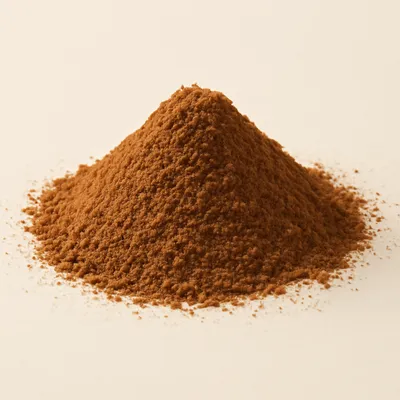
How it's made
7 steps · 30 min
- 115 min
Scrub tripe inside and out with coarse salt and rinse thoroughly. Turn intestines inside out and rinse under running water several times. Cut all offal into bite-sized pieces.
- 210 min
Place all offal in a pot of cold water. Bring to a boil and blanch 5 minutes. Drain, rinse under cold water, and set aside.
- 310 min
Prepare master stock in a large pot: water, light soy sauce, oyster sauce, dark soy sauce, five-spice powder, star anise, cassia bark, dried tangerine peel, ginger slices, garlic, Shaoxing wine, and rock sugar. Bring to a boil.
- 490 min
Add the harder pieces first — tripe and tendon. Reduce to a low simmer, cover, and cook 1.5 hours.
Watch outAdd the dense pieces first — tripe and tendon need the full hour and a half before they turn silky-tender.
- 590 min
Add intestine, lung, and daikon radish chunks. Continue simmering uncovered for 1–1.5 hours until all pieces are tender and the stock has deepened in color.
- 630 min
Turn off heat. Let the offal steep in the cooling stock for 30 minutes to absorb deeper flavor.
Watch outTurn off the heat and let the offal steep in the cooling stock — this soak is where the deep braise flavor actually sinks in.
- 75 min
Thread pieces onto bamboo skewers. Serve with a small bowl of hot master stock and chili sauce on the side.
Archive tool suggestions — not reviewed
These legacy suggestions have not been evidence-reviewed and are not presented as required tools.