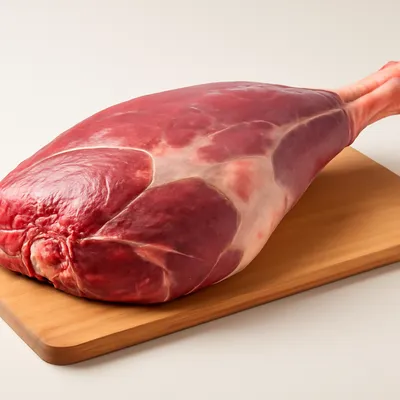
The flagship cold-cut of Yueshengzhai, Beijing's pre-eminent Hui-Muslim braised-meat institution. Bone-in lamb leg is slow-simmered in a centuries-old master stock deepened with clove, cardamom, nutmeg, cinnamon, and star anise, then glazed and cooled before slicing. The result is mahogany-dark, tightly grained, and intensely aromatic—served cold alongside flatbread or as a banquet starter, and listed as a National Intangible Cultural Heritage craft since 2008.

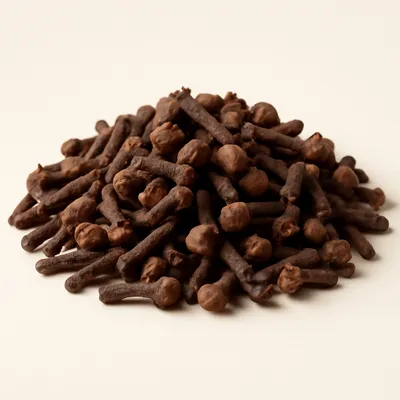


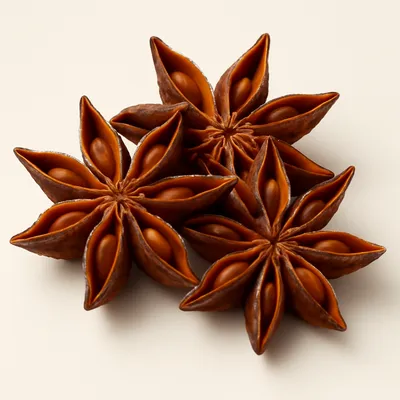
Yueshengzhai was founded by Hui Muslim Ma Qingrui in the Qianlong era—most sources cite 1775 (Qianlong 40th year). Ma began by purchasing surplus sacrificial lamb from the Ministry of Rites and learned braising technique from an imperial-kitchen cook. His sons Ma Yongxiang and Ma Yongfu later refined the spice formula under guidance from court physicians, establishing a core blend of clove, cardamom, nutmeg, cinnamon, and star anise replenished with a revolving master stock. In 1886 (Guangxu 12th year), the Empress Dowager Cixi issued four imperial gateway passes (yaopai) granting Yueshengzhai regular access to the palace; deliveries were made every other day to the imperial kitchen outside Jingyun Palace. In 2008, the production craft was inscribed on China's Second National Intangible Cultural Heritage list.
Cold-sliced lamb presents compact, mahogany-dark rounds. Against the tooth it is firm but never fibrous—prolonged braising has dissolved the connective tissue without collapsing the grain. Five-spice fragrance leads a beat ahead of the salt, and a faint dark-soy bitterness lingers at the finish to anchor the sweetness of rock sugar.
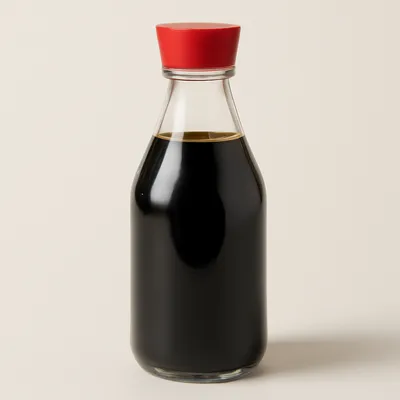
Long simmering in the master stock (laotang) converts collagen from connective tissue into gelatin, which thickens the basting liquid and gives sliced lamb its characteristic gloss. Clove's principal volatile compound—eugenol, roughly 70–80% of clove oil—and cardamom's borneol acetate are both fat-soluble; they migrate into the lamb's intramuscular fat during braising and re-volatilise at mouth temperature, creating sustained aromatic release long after swallowing. The mahogany colour comes from melanoidins formed via Maillard browning of amino acids and reducing sugars in the soy sauce; these same compounds contribute a subtle bitter undertone that prevents the rock sugar from making the dish cloying.
Variations
Yueshengzhai applies the same master stock to braised beef, yielding a firmer, leaner result. In summer the lamb is served cold-sliced as a banquet starter; in winter it may be briefly warmed and served with noodles or steamed buns. Home cooks sometimes substitute bone-in lamb shoulder to reduce cooking time while maintaining a similar fat-to-lean ratio.
On the Palate
Where Soy-Braised Lamb sits in the Chinese flavor cloud
Ingredients
Serves 4


How it's made
7 steps · 10 min
- 160 min
Rinse bone-in lamb leg; soak in cold water for 1 hour, changing water once, to purge blood.
- 210 min
Lower lamb into boiling water; blanch 5 minutes skimming foam; remove and rinse under cold water.
Watch outSkim the gray foam off hard as it blanches — leave it and it clouds the master stock and dulls the final mahogany shine.
- 35 min
Bring master stock to a boil with dark soy sauce, light soy sauce, cloves, cardamom, nutmeg, cinnamon, star anise, rock sugar, and salt.
- 4150 min
Add lamb leg; return to a boil, then reduce to the lowest simmer; cover and cook 2–2.5 hours, turning every 30 minutes so all sides colour evenly.
Watch outKeep it at the barest simmer and turn the leg every 30 minutes — a rolling boil toughens the meat, and skipping turns leaves the color patchy.
- 515 min
Remove lamb; return stock to a rolling boil and reduce by one-third to concentrate flavour.
Watch outReduce the stock down by a third so it's syrupy — that concentrated gloss is what you brush on for the lacquered sheen.
- 630 min
Brush lamb all over with the reduced stock; set on a rack and cool completely at room temperature.
- 75 min
Slice thinly across the grain; arrange on a plate; serve cold with flatbread and a small dish of chilli oil.
Archive tool suggestions — not reviewed
These legacy suggestions have not been evidence-reviewed and are not presented as required tools.

