
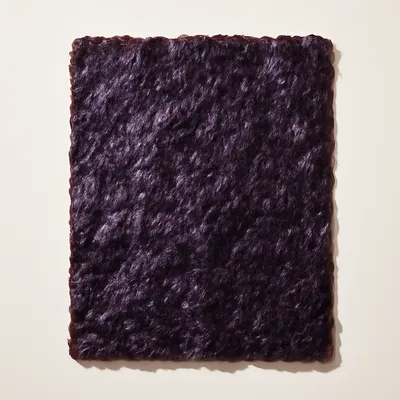
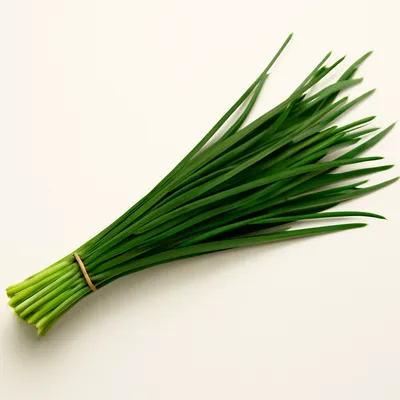
A Luoyang street and breakfast soup built around a thin mung-bean crepe called bufan ('not flipped'). Skinned mung beans are soaked and ground to a batter, loosened with egg and a little starch, and a ladleful is spread on a hot griddle and cooked through on one side only — it is never turned, which gives the crepe its name. Into a bowl go pepper, vinegar and salt, then cooked fillings — cellophane noodles, shredded kelp, laver, dried shrimp and chopped chives, often with day-lily, wood ear and a little chicken blood — and the bufan is laid over the top before a ladle of hot bone broth is poured in. The result is a hot, sour-and-peppery soup, light and bright rather than rich.



Bufan soup is a Luoyang specialty with a little over a hundred years of history; it is credited to Liu Zhensheng (刘振生) and has been carried on through three generations of his family. A popular legend has the Kangxi emperor, hungry on an incognito journey, eating a just-griddled cake and exclaiming over it — but that tale is folk rather than documented, and the firmer record is simply the Liu family's stall and its descendants. The name describes the cooking: the mung-bean crepe is so thin and sets so fast on the griddle that it needs no flipping, so it is called 'bufan' — not flipped. The dish is now a fixture of Luoyang's breakfast streets.
The first thing is the broth — hot, with a clean sour-and-peppery edge from vinegar and white pepper that wakes you up, light on the tongue rather than heavy or oily. The bufan itself is soft and tender, faintly beany, soaking up the soup; around it the cellophane noodles are slippery, the kelp and laver give a gentle sea note, the dried shrimp add a savory depth and the raw chives a fresh, sharp lift stirred in at the end. Good bufan soup is bright and balanced, sour and peppery without being harsh; a weak one tastes flat and watery, or so sharp with vinegar and pepper that nothing else comes through.
Two things make the dish work: the crepe and the hot-and-sour balance. Skinned mung beans are soaked until soft and ground with water into a smooth batter; egg adds protein that helps the crepe set and hold together, and a little starch keeps it pliable. Spread thin on a hot griddle, the batter is so shallow that the heat sets it through from the one side before the top can dry out, so it cooks without being turned — hence 'not flipped.' Mung-bean starch and protein give a tender, slightly springy crepe that drinks up broth without dissolving. The flavor is assembled cold in the bowl and then activated by the broth: vinegar and white pepper are laid in first so the scalding soup, poured over, blooms the pepper's aroma and lifts the vinegar into the sour-and-peppery profile, while the dried shrimp, kelp and laver steep their savory-marine notes into the hot liquid. The chives go in raw at the last moment so their sharp freshness is released by the heat without cooking away.
Variations
The fillings vary from stall to stall: cellophane noodles, shredded kelp, laver, dried shrimp and chives are the common core, with day-lily buds, wood ear and a little chicken blood added in many bowls. The broth is usually a bone or chicken stock, and the amount of vinegar and pepper is adjusted to taste, some bowls leaning sharply sour-and-peppery. The bufan crepe itself, cooked on the griddle and not flipped, is also eaten on its own or with other dishes in Luoyang; in the soup it is the defining element. The dish belongs to Luoyang's broader culture of hot soups eaten for breakfast, alongside the city's well-known beef and mutton broths.
On the Palate
Where Luoyang Bufan Soup sits in the Chinese flavor cloud
Ingredients
Serves 2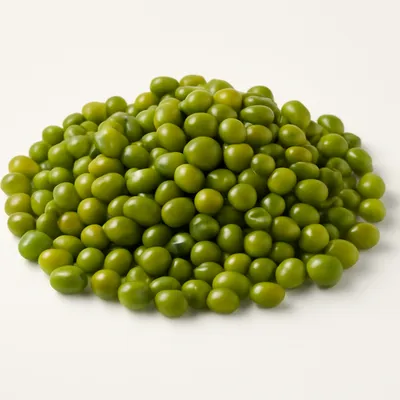


How it's made
7 steps · 35 min active + 10 min waiting
- 110 min
Soak skinned mung beans until soft, then grind them with water into a smooth batter; loosen with beaten egg, a little starch and salt.
- 28 min
Heat a flat griddle, lightly oil it, and spread a ladleful of batter into a thin round; cook through on the one side only, without flipping, then lift off the bufan.
Watch outSpread the batter thin and cook it through on one side only, without flipping — that's what keeps this crepe tender enough to drink up the broth.
- 312 min
Prepare the fillings: soak cellophane noodles, shred and cook kelp, ready the laver, dried shrimp, day-lily, wood ear and a little chicken blood, and finely chop the chives.
- 41 min
Put white pepper, vinegar and salt into the bottom of each serving bowl.
- 52 min
Arrange the cooked fillings over the seasonings, then lay a bufan crepe on top.
- 61 min
Pour a ladle of hot bone or chicken broth over everything so the soup blooms the pepper and vinegar.
Watch outPour the ladle of broth in boiling-hot — the heat is what blooms the raw pepper and vinegar in the bowl into that hot-and-sour punch.
- 71 min
Scatter the raw chopped chives over the top and serve at once, steaming hot.
Archive tool suggestions — not reviewed
These legacy suggestions have not been evidence-reviewed and are not presented as required tools.


