Haiti's pickled-cabbage condiment with scotch bonnet, carrot, and lime — sharp-hot-sour relish served alongside every fried meat or starch, the table's mandatory third element.


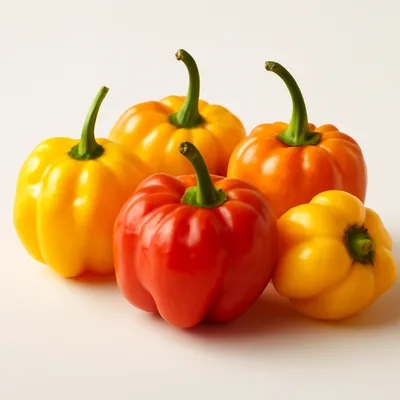

Pikliz (the name is from the Kreyòl word for pickling, akin to French piquer, to sting) is the cabbage-and-pepper relish that accompanies griot, fried plantains (bannann peze), accra (saltcod fritters), and tassot (fried beef) — basically any fried Haitian thing. The scotch bonnet content is non-negotiable: usually 4-6 peppers per jar, with seeds. Lime juice adds a bright second layer of acid, while the shredded carrot turns the whole jar sunset-orange. A jar lives in every Haitian fridge — it gets fierier as it sits, and keeps for months, even up to a year refrigerated.
A forkful of pikliz alongside hot griot: cool cabbage crunch, eyewatering scotch bonnet heat, sharp lime-vinegar acid, sweet shaved carrot. The contrast with greasy fried pork is the whole point — fat needs sour-spicy to live.
Pikliz is essentially a vinegar pickle — the salt draws moisture from the cabbage cells and firms the shreds, the vinegar lowers the pH enough to suppress spoilage, and the scotch bonnet's capsaicin gets infused into the brine and the cabbage. (A slower lacto-fermented version, left three to six weeks, exists too.) The day-or-two rest is critical: at the start the vegetables are firm and the heat is on the surface; after a day or two the brine has equilibrated and the heat is distributed throughout.
Variations
Recipes vary by region and family: some add cauliflower or bell pepper for crunch, others swap shallots for the onion; the vinegar can be white or apple cider. Using purple cabbage instead of green turns the jar from sunset-orange to a dusty pink.
On the Palate
Where Pikliz sits in the Haitian flavor cloud
Ingredients
Serves 12


How it's made
5 steps · 15 min active + 45 min waiting
- 13 min
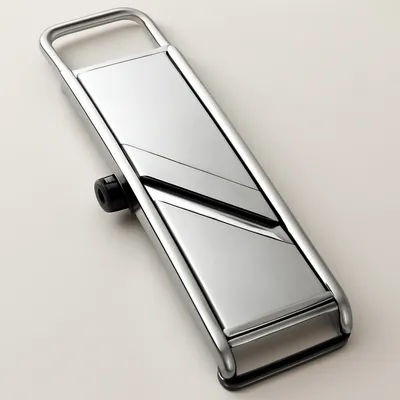
Shred 1 small head of green cabbage (about 500g) using a knife or mandoline into thin strips.
Watch outShred the cabbage thin and even so it packs tight and cures uniformly.
- 26 min
Grate 2 large carrots on the large holes of a box grater. Slice 1 medium onion thinly. Slice 4-6 scotch bonnet peppers thinly (keep seeds for max heat; remove for medium).
- 34 min
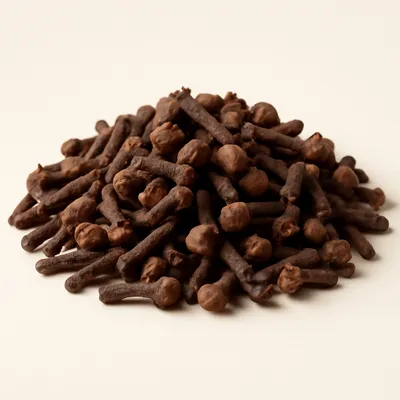
Toss all vegetables in a large bowl with 6 cloves crushed garlic, 1 tsp salt, 1 tsp black pepper, 1 tsp ground cloves. Pack tightly into a 1.5L glass jar.
- 44 min
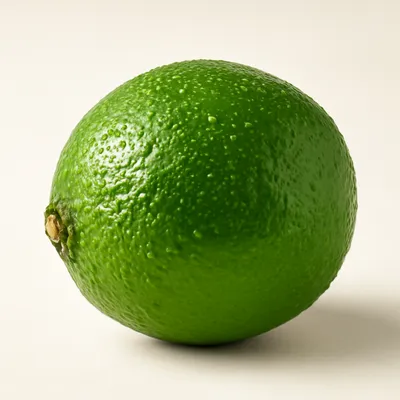
Pour over 250ml white vinegar and the juice of 4 limes. Top up with more vinegar until vegetables are covered. Press down with a spoon to release air.
Watch outPress down after pouring so trapped air escapes and the vinegar and lime fully cover the vegetables.
- 560 min
Seal and refrigerate at least 1 hour before serving (24-48 hours is better — the colors deepen and flavors meld). Keeps 2-3 weeks; gets hotter with age.
Watch outAfter a day the brine goes cloudy-orange and the shreds soften slightly — that's it working, not spoiling.
Archive tool suggestions — not reviewed
These legacy suggestions have not been evidence-reviewed and are not presented as required tools.