
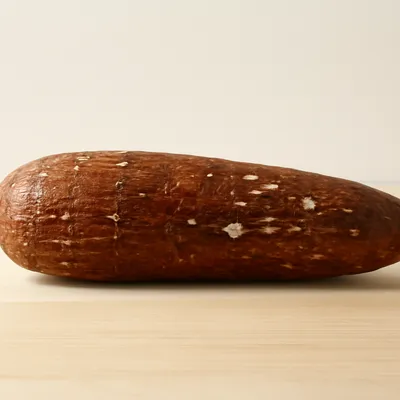
Haitian fritters made from grated malanga (a starchy root tuber) bound with garlic, scotch bonnet, herbs, and just enough flour to hold together. Dropped by tablespoonfuls into hot oil and fried until lacy-golden. Eaten at street stalls and family parties; ten cents a piece in Port-au-Prince, eaten by the dozen.




Of West African (Yoruba akara, akra) origin — fried bean cake traditions brought across the Middle Passage. The Haitian version swapped black-eyed peas for malanga, the most abundant local tuber. The Trinidadian accra (salt-cod fritter) is a parallel descendant with a different protein. Crispy fritter from cheap starch is the through-line.
Outer crust is golden lace; inner texture is dense, slightly sticky, savory with garlic and the unmistakable scotch-bonnet warmth. The fritter is small enough to eat in two bites, salty enough that you reach for another immediately. Sòs Ti-Malis (the table sauce) goes on top for those who want more heat.
Malanga (or taro) grated raw has high amylopectin starch content; this gives the akra its characteristic sticky-dense interior. Egg + flour binders are minimal because the starch is doing the work. The 175°C fry is at the lower end of fritter temperatures — high enough for crust but slow enough for the dense interior to cook through.
Variations
Coastal variant uses grated salt cod (gives a Trinidadian-accra hybrid). Northern Haiti drops the herb and adds rum to the batter — adult akra. Diaspora versions sometimes substitute russet potato when malanga isn't available.
On the Palate
Where Akra sits in the Haitian flavor cloud
Ingredients
Serves 6

How it's made
6 steps · 25 min active + 5 min waiting
- 112 min
Peel and finely grate 500 g malanga (or substitute taro). Place in a bowl.
- 25 min
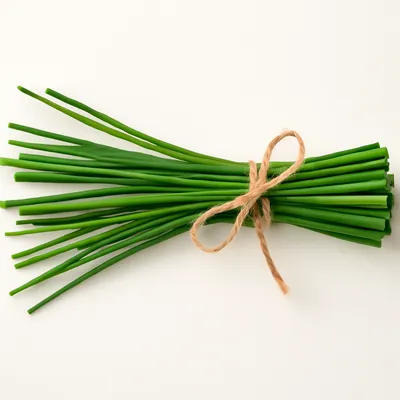
Add 4 minced garlic cloves, 1 finely chopped scotch bonnet (seeds removed), 1 tbsp chopped chives, 1 tsp salt, ½ tsp baking powder, 4 tbsp flour, 1 beaten egg. Mix well.
- 35 min
Rest mixture 5 min to hydrate.
- 43 min
Heat 4 cm oil to 175°C in a deep skillet.
Watch outHold the oil at 175°C — a cube of batter should sizzle steadily, not violently; too hot and the lacy edges brown before the dense middle cooks.
- 56 min
Drop tablespoon-sized mounds of mixture into oil. Fry 3 mins per side until deeply golden and lacy.
Watch outFry until deeply golden with crisp lacy edges — the color tells you the sticky taro middle has finally cooked through.
- 62 min
Drain on rack. Sprinkle with extra salt. Eat hot.


