
Ottawa-area fried-dough pastry — yeasted whole-wheat dough stretched into a hand-shaped flat oval (resembling a beaver's tail), fried until golden and puffy, then topped with cinnamon sugar (classic), maple butter, Nutella, or fruit. Invented by the Hooker family at Killaloe, Ontario in 1978; now a Canada-Day-and-skating-rink standard sold at Beavertails-brand kiosks across the country.






Trademarked invention from 1978 — Pam and Grant Hooker brought a German-grandmother fried-dough recipe to the Killaloe fair, west of Ottawa, and their daughter named it 'beaver tail' for the shape. Stands soon opened at Ottawa's ByWard Market and on the Rideau Canal Skateway, and it became a Canadian icon by the 1990s. Obama ate one in 2009 during a state visit; the visual became Canadian-foodie shorthand. 'BeaverTails' is a registered trademark, though — like Kleenex — the term is now used generically for sweet fried-dough pastries.
Hands take the beavertail at the narrow end like a paddle. First bite is hot, golden-edged, with a faint puffed-pillow texture that yields to the tooth. The cinnamon-sugar coating sticks to the buttered surface and snows off as you eat. Whole-wheat flavor in the dough is subtle but present — gives the beavertail a slight nuttiness that distinguishes it from plain fried dough. Eaten quickly before the steam escapes.
Yeasted dough's slow rise develops gluten enough to handle the hand-stretching without tearing, while keeping the crumb light. Frying at 175°C (medium-high) is the structural temperature: hot enough for the surface to puff via steam expansion, slow enough for the inside to cook through. Whole-wheat-and-all-purpose blend (vs all-purpose alone) gives the dough a nutty undertone and the visible whole-wheat speck on the surface.
Variations
Maple-butter beavertail is the most-Canadian topping (essential at sugar-shack season). The Killaloe Sunrise has maple butter + lemon zest. The Avalanche has whipped cream and chocolate. Modern festival kiosks add ice cream sandwich beavertails — fold the hot dough around a scoop of vanilla.
On the Palate
Where Beavertail sits in the Canadian flavor cloud
Ingredients
Serves 6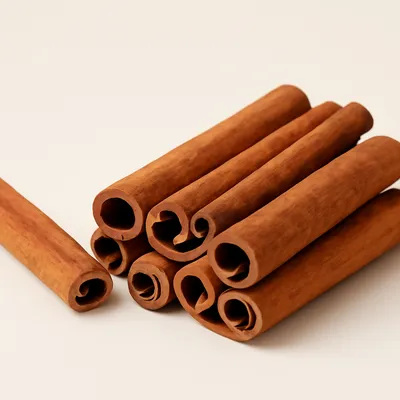


How it's made
8 steps · 30 min active + 1 hour 30 min waiting
- 16 min
Dough: dissolve 1 tbsp yeast + 1 tsp sugar in ½ cup warm milk. Wait 5 min until foamy.
Watch outWait for the yeast to turn foamy and smell bready before using it — if it stays flat after 5 minutes the yeast is dead and the dough won't rise.
- 23 min
In a large bowl combine 1.5 cups all-purpose + 1 cup whole-wheat flour + ¼ tsp salt + 2 tbsp sugar.
- 310 min
Add yeast mixture + ½ cup warm milk + 1 egg + 3 tbsp melted butter + 1 tsp vanilla. Mix to soft dough; knead 8 min.
- 460 min
Rise covered 60 min until doubled.
Watch outIt's risen enough when it's doubled and a fingertip poked in leaves a dent that springs back slowly.
- 58 min
Divide dough into 6 portions. Roll each into an oval (~20 cm long, 10 cm wide, 3 mm thick).
- 65 min
Heat 4 cm vegetable oil to 175°C.
- 72 min
Fry beavertails one at a time, 60-90 sec per side, until deeply golden and puffed.
Watch outThe oil is right when the dough puffs and floats within seconds — fry until each side is deep gold; too cool and it turns oily instead of crisp.
- 85 min
Drain briefly on rack. Immediately toss in cinnamon-sugar mixture (¾ cup sugar + 1 tbsp cinnamon), or top with maple butter, Nutella, or fresh fruit. Eat hot.


