


Haitian
French-Creole Caribbean — griot pork, black-rice, soup joumou as independence symbol.
Griot
Haiti's national meat dish
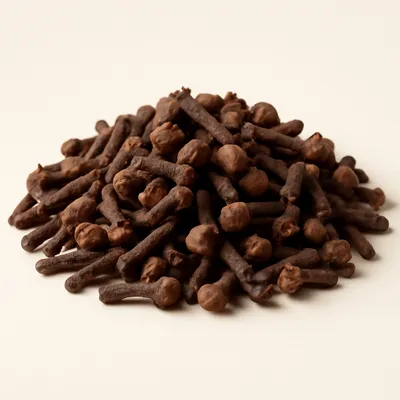
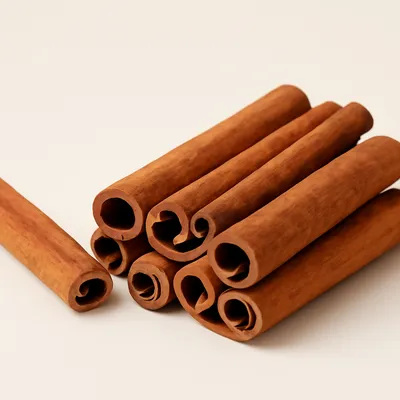
View page →Haitian food is the unique French-Creole-African voice of the Caribbean. France colonized Haiti from 1697-1804 and left behind the French-language base of Haitian Creole, the soufflé-and-bouillon technique, and the use of clove-cinnamon-orange in savory dishes. African slaves brought griot (the technique of braising-then-frying), the wild djon-djon mushroom heritage, the obsessive use of scotch bonnet. The 1804 revolution kept much French (recipes, ingredient names) but stripped away colonial constraints — and added Marie-Claire Heureuse Bonheur's edict that all Haitians eat pumpkin soup (soup joumou) on January 1st as defiance.
The Haitian flavor profile is the Caribbean's deepest — long-marinated meats, scotch-bonnet heat carried in epis (the herb-pepper paste), the slate-grey color of djon-djon rice, the fluorescent-pink of pikliz pickled cabbage. Modern Haitian restaurants in Miami and Brooklyn ship dried djon-djon mushrooms from the northern department because nowhere else in the world grows them. Soup Joumou received UNESCO Intangible Cultural Heritage status in 2021 — the first Caribbean food so designated.
The Palate
Start Here
Don't skip the simmer-then-fry sequence — going straight to fry gives chewy not-tender pork.
Why start here · Griot is Haiti's most-cited dish — at every wedding, every Sunday, every fête.
Use kabocha squash if true Haitian joumou is unavailable — it's the closest analog.
Why start here · Soup Joumou is Haiti's UNESCO-protected independence dish — every Haitian household eats it on January 1st.
Resist eating it on day one — it improves dramatically after 24-48 hours of pickling.
Why start here · Pikliz is the table's mandatory third element — every fried Haitian dish gets pikliz alongside.
Rice and red beans cooked together in coconut milk with whole scotch bonnet, garlic, and clove — the beans color the rice mauve-pink; coconut milk lightens the whole pot.
Why start here · What most Haitian households eat any given weekday. The unpunctured scotch bonnet perfumes without burning — a Caribbean technique worth knowing.

Beef cubes marinated overnight in lime, sour orange, garlic, scotch bonnet, and thyme — then deep-fried until the outside is crusty mahogany.
Why start here · Eaten by hand at street stalls with pikliz and bannann peze. The long citrus marinade is what makes a cheap cut tender; the technique is structural.
The Pantry



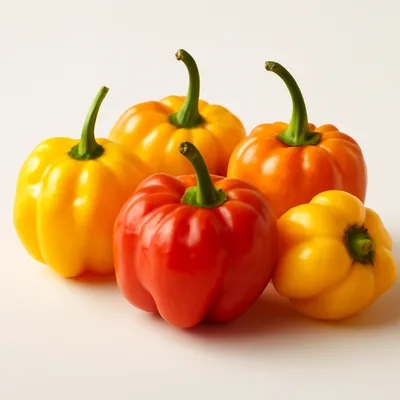

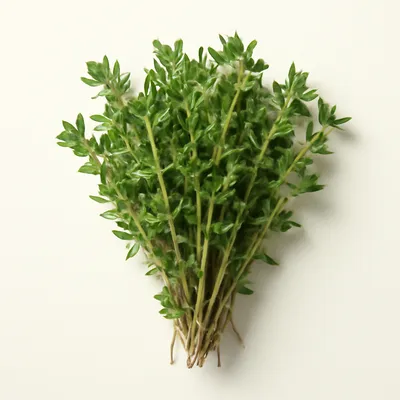
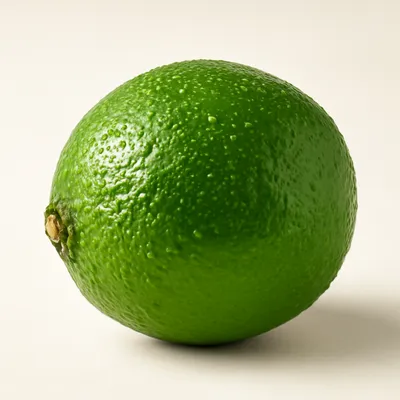

See all 83 ingredients›














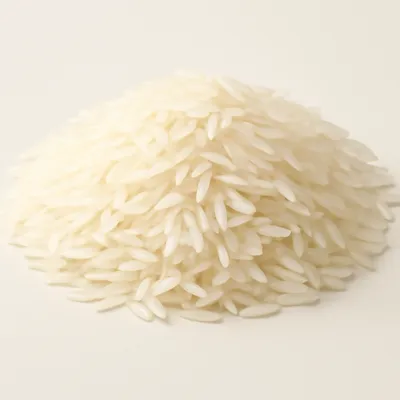
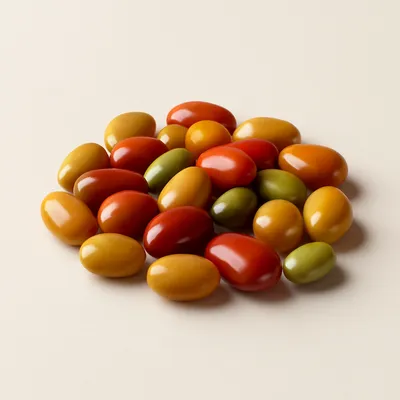

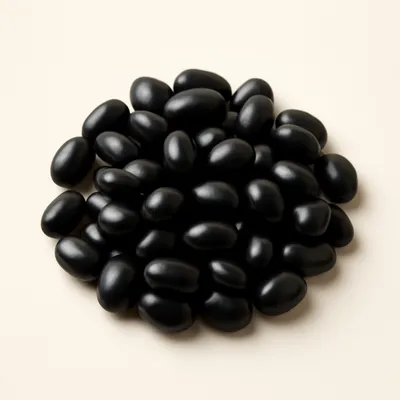


Dairy & Fats




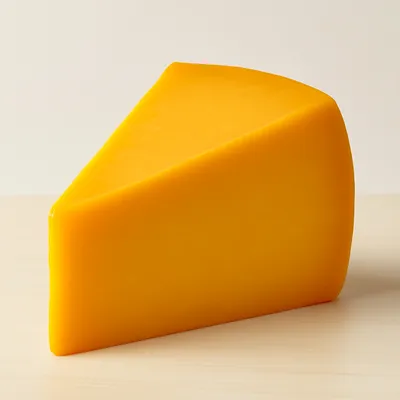








On the Map
Where this cuisine is found
How They Cook
Techniques that define this cuisine
Kindred Kitchens
Cuisines built on the same signature ingredients


