


Wolof Senegalese
Senegalese national canon — thieboudienne, mafé, yassa, the Dakar table.
Thieboudienne
Senegal's national dish
View page →Wolof cuisine is the dominant culinary tradition of Senegal — the food of Dakar, the Saloum delta, and the country's national canon. Thieboudienne (rice with fish, vegetables, and tomato-tamarind broth) is the national dish; Wolof refer to it as 'ceebu jën', and it's the dish every Senegalese cook makes for guests. Mafé (peanut stew with meat) is the second-most-iconic, brought from Mande origins. Yassa (chicken or fish in caramelized onions and mustard) is a Casamance import that the Wolof have made their own. Domoda is the Wolof peanut sauce eaten over rice.
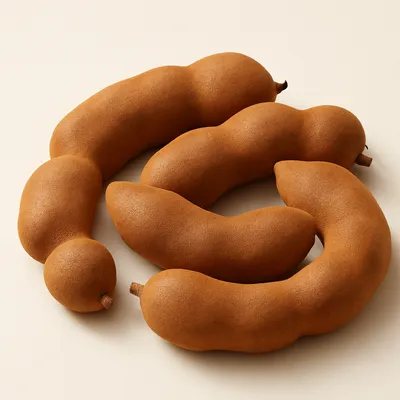
The Wolof table is built around shared eating — diners gather around a single large platter of rice topped with the day's protein and vegetables. Each person eats only from the section in front of them, with the right hand or a spoon. Drinks include bissap (hibiscus tea, hot or cold), jus de bouy (baobab fruit drink), and palm wine. The cuisine reflects Senegal's position at the Atlantic edge of West Africa: fish from the coast, peanuts grown across the Sine-Saloum, rice from the river valley, tamarind imported from the African interior. The most-globally-recognized West African cuisine, served at Senegalese restaurants in Paris, New York, and London.
The Pantry

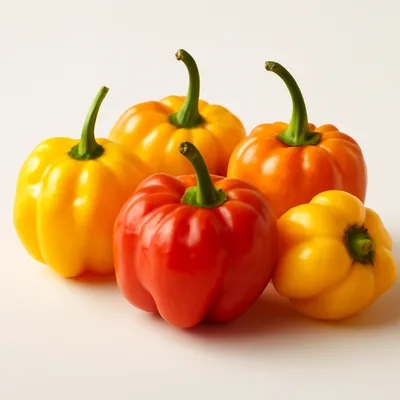





See all 66 ingredients›


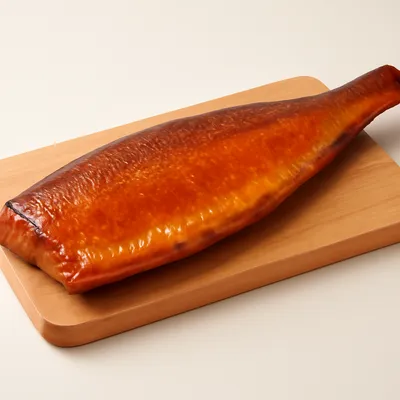

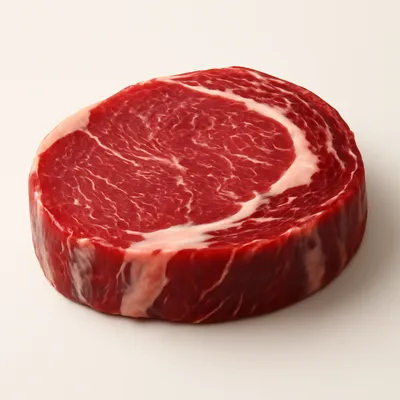

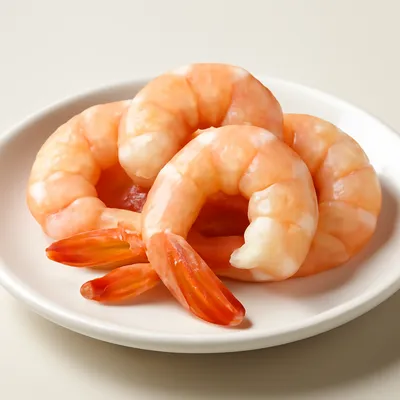
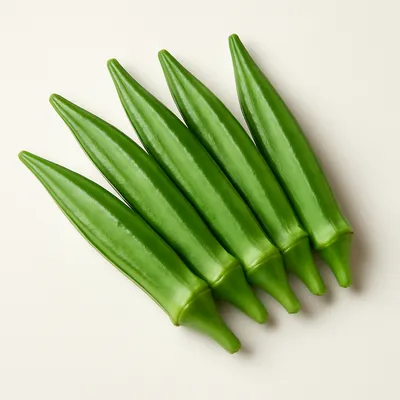
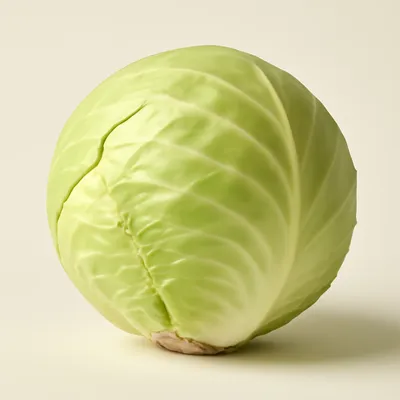
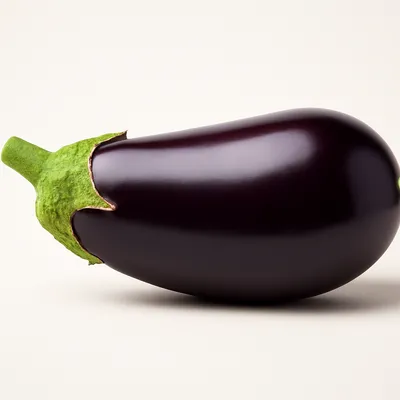
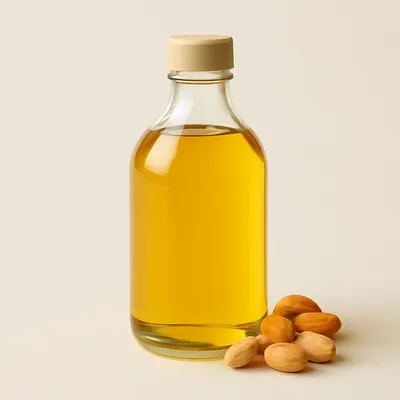


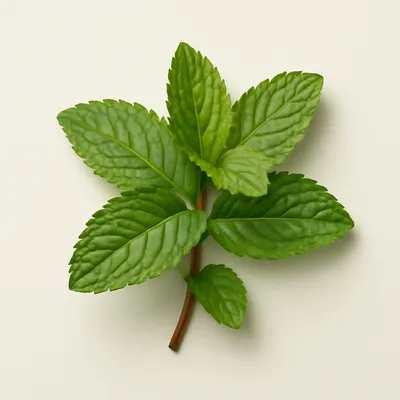




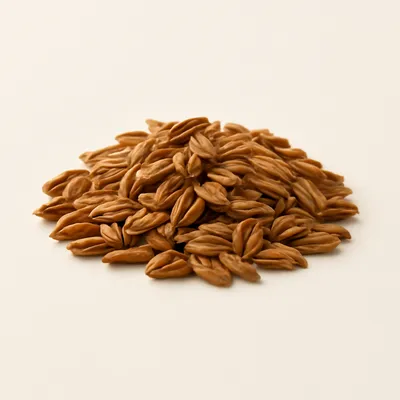

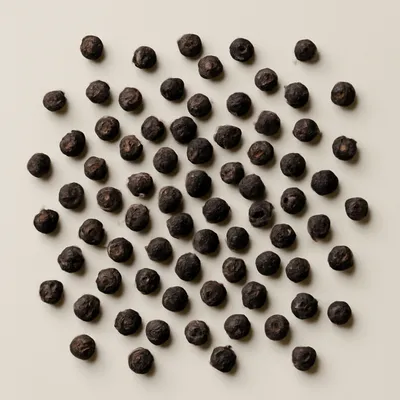
Grains & Staples


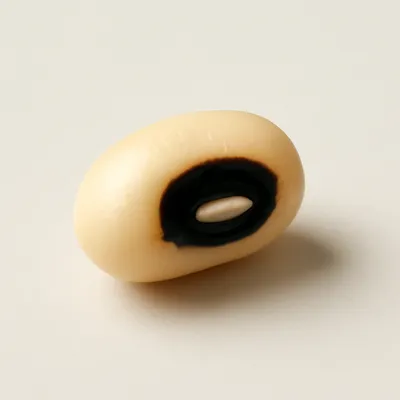


Dairy & Fats






Sauces & Condiments


How They Cook
Techniques that define this cuisine
See 5 more techniques›
Kindred Kitchens
Cuisines built on the same signature ingredients
Other regions
Siblings within Senegalese — each its own tradition.


