
Bambara people of the Mali-Senegal frontier, pre-colonial. The Wolof name «maafe» is often linked with the Bambara «tigadeguena» (literally peanut-paste sauce); the Mandinka call the dish «domoda». Groundnuts arrived from Brazil via Portuguese traders in the 16th century and were planted heavily in Senegal under French colonial rule.
George Washington Carver's 1903 peanut bulletin promoted the legume in the American South but West Africa was already two centuries deep in it. Senegal exported 1.4M tonnes in 2019, the world's seventh largest producer. Use Cofradel or Dakatine paste, not Skippy.
Russet-brown sauce coats meat and vegetables, glossy with peanut oil. Tastes like nothing else — savory peanut, tomato acid, scotch-bonnet heat at the back, a slick palate weight. The sauce should mound on a spoon, not run.
Pure unsweetened peanut paste (not American peanut butter — no sugar, no emulsifier) is thinned with stock and tomato then simmered 90 minutes until oil splits and rises. The oil break is the sign it's done: never skim it.
Variations
Senegalese mafé (vegetable-heavy, served over rice), Malian tigadeguena (less tomato, fonio not rice), Gambian domoda (sweet potato, lamb), and Ivorian mafé tiga which uses chicken and adds okra.
On the Palate
Where Mafé sits in the Senegalese flavor cloud
Ingredients
Serves 6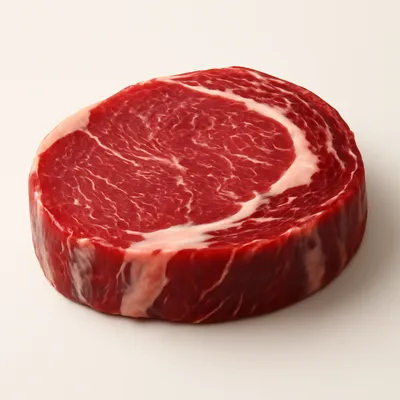









How it's made
4 steps · 16 min active + 1 hour waiting
- 110 min
Cube 500 g lamb; brown in oil 10 min with 1 chopped onion + 4 garlic.
Watch outBrown the lamb hard until the edges caramelize — those browned bits are the base of the sauce's depth.
- 23 min
Stir in 200 g natural peanut butter + 200 g crushed tomato + 1 L stock.
- 360 min
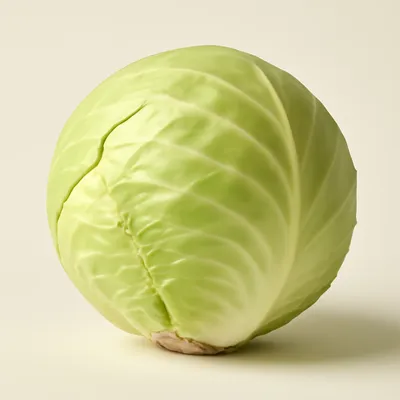
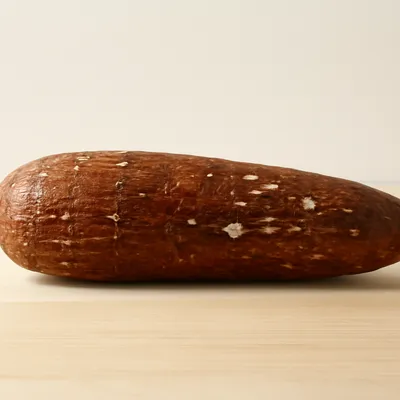
Add chopped cabbage + cubed cassava + sweet potato; simmer 1 hr.
Watch outKeep the heat low and slow; a hard boil will scorch the peanut paste on the bottom before the oil splits.
- 43 min
Adjust salt and chili; serve over rice.
Archive tool suggestions — not reviewed
These legacy suggestions have not been evidence-reviewed and are not presented as required tools.


