
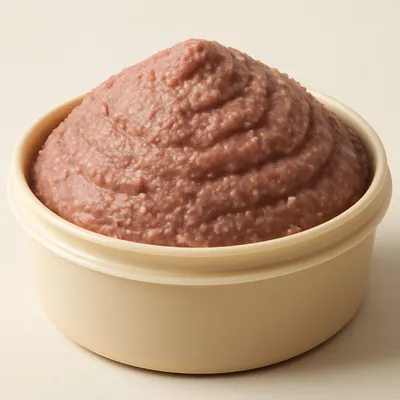




Riz au yet is the most-singular dish of Senegal's Casamance region — using 'yet' (Volute or Cymbium mollusk, sun-dried and fermented for weeks until pungent and dark). The Diola people of Casamance harvest yet from the mangroves around Ziguinchor and ferment it as a winter preservation technique. The cooking method is similar to thieboudienne but the yet adds an intensely umami, almost cheese-like funk that polarizes eaters — beloved by Casamance natives, often a 'one bite is enough' for outsiders. The dish is served with bissap (hibiscus drink) to cleanse the palate. Found at every Ziguinchor restaurant and increasingly at Casamance-immigrant restaurants in Dakar.
A spoonful of riz au yet: the rice is deep-orange from palm oil and tomato, scattered with darker mollusk chunks. The first bite is rice-and-tomato familiar; the second hits with the yet's intense umami — like aged cheese rind crossed with seafood, deeply funky in a way that some find irresistible and others can't get past. Sip the cold bissap to cleanse, then go again. The Casamance river-mangrove world on a plate.
Fermentation of yet (sun-drying mollusks for weeks) breaks down proteins into peptides and free amino acids (high in glutamic and aspartic acids) — these are 10× more umami-concentrated than fresh shellfish. Red palm oil contributes carotenoids that color the rice deep orange and add a subtle earthy note distinct from coconut oil. The 100g of yet flavors 6 servings — a little goes a long way.
Variations
Ziguinchor authentic version uses true yet (Cymbium mollusk fermented in mangroves); diaspora restaurants often substitute dried scallops + fermented black beans; modern Dakar Casamance restaurants offer a milder version with less yet and more shrimp for tourist palates.
On the Palate
Where Riz au Yet sits in the Senegalese flavor cloud
Let the yet simmer long enough to fully rehydrate and give up its broth before the rice goes in — its deep, fermented umami is the entire point of the dish and needs time to bloom into the pot.
Ingredients
Serves 6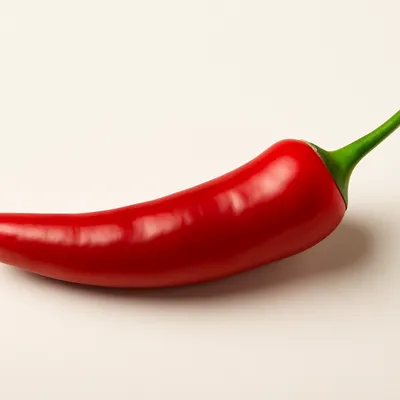



How it's made
5 steps · 35 min active + 55 min waiting
- 133 min
Soak 100g dried yet (or substitute with 100g dried scallops + 50g fermented black bean paste for similar umami) in warm water 30 min. Drain; chop coarsely.
- 28 min
In a heavy pot, heat 4 tbsp red palm oil (or coconut oil). Sauté 1 chopped onion + 4 minced garlic cloves + 1 chopped scotch bonnet (seeded for less heat) + 1 thumb grated ginger for 6 min.
- 36 min
Add 3 tbsp tomato paste + 2 chopped tomatoes + 1 tsp ground bouillon (or 1 stock cube) + 1 tsp salt + 1 tsp pepper. Cook 5 min until oil reddens.
Watch outFry the paste and aromatics until the oil visibly reddens and separates — that's the flavor base set.
- 417 min
Add the chopped yet + 200ml water; simmer 15 min until yet has rehydrated and contributed its broth.
Watch outThe yet should soften and tint the water into a cloudy, savory broth before you add the rice.
- 528 min
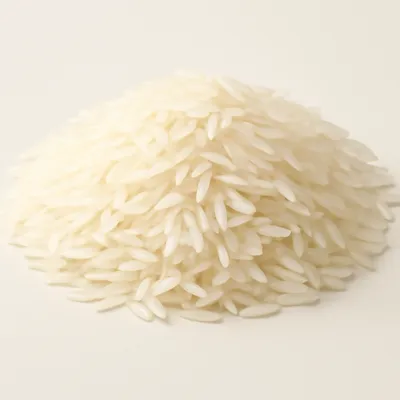
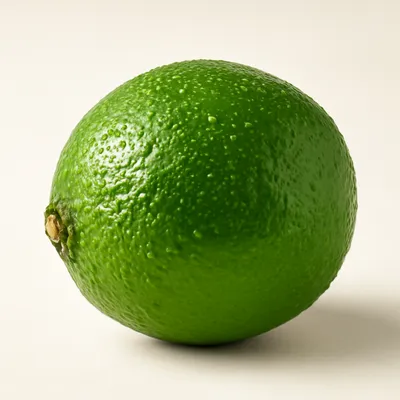
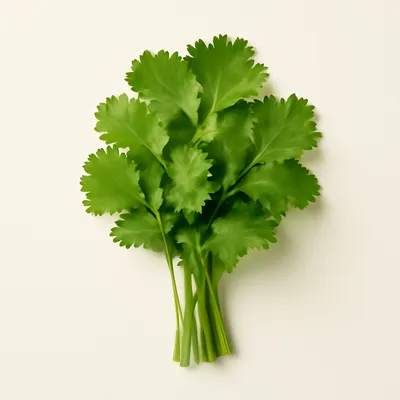
Add 400g broken rice (or short-grain rice, rinsed) + 600ml water. Bring to boil, reduce to lowest heat, cover. Cook 18 min. Rest 10 min covered. Fluff and serve with sliced lime, fresh cilantro, and cold bissap drink on the side.
Watch outAfter the 18-minute cook and 10-minute rest, the grains should be tender and separate, having drunk up nearly all the liquid.
Archive tool suggestions — not reviewed
These legacy suggestions have not been evidence-reviewed and are not presented as required tools.


