
Fried meat-or-fish turnovers — Lebanese-emigré inflected pastry, smaller and crisper than pastels.




Lebanese Maronite emigrants arrived in Senegal from 1900s onward (estimated 30,000 by 2020). The fataya is their adaptation of fatayer pastries (Levantine), using local fish or beef fillings. Restaurant Le Liban in Dakar (since 1956) popularized the form.
Boulangerie Jaune in Dakar's Plateau, owned by the Mansour family since 1962, is the city's reference fataya source. Senegalese-Lebanese identity-marker dish: a Lebanese-Senegalese household in Brooklyn opened Sahadi's-adjacent Bissap Baobab in 2002 selling both fataya and lahmacun.
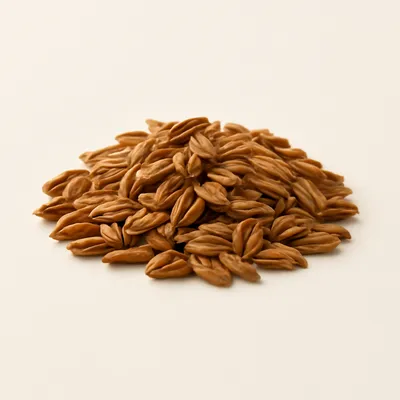
Smaller than pastels (palm-size vs. half-palm), thinner-skinned, crackling fragile. Filling drier — onions and minced beef with cumin, or fish with parsley. Eaten with kaani chili sauce or sometimes plain. Sold from glass-fronted bakery counters.
Wheat flour dough (not semolina like pastels), butter rubbed in, rested 1 hour. Filling cooked dry till no liquid remains — wet filling breaks the thin dough. Crescent-folded, edge crimped with fork, fried 180°C 3 minutes per side.
Variations
Fataya viande (beef-onion-cumin), fataya poisson (fish-parsley), fataya thon (canned tuna, cheap student version), and the Lebanese-Senegalese fataya bil-zaatar with the Levantine herb topping.
On the Palate
Where Fataya sits in the Senegalese flavor cloud
Ingredients
Serves 6
How it's made
4 steps · 27 min active + 38 min waiting
- 18 min
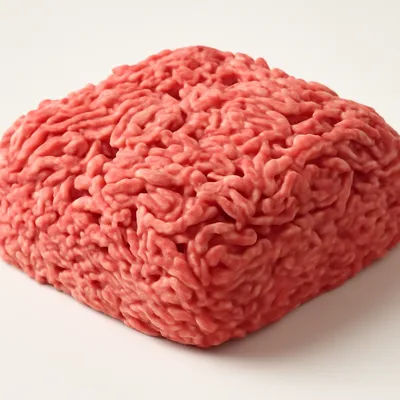
Mix filling: 300 g ground beef + 1 onion + parsley + salt + spices.
Watch outCook the filling until the pan is dry and no juice pools — wet filling soaks through and splits the thin dough in the oil.
- 238 min
Make dough: 400 g flour + 60 ml oil + 1 egg + 250 ml water + 5 g salt; knead, rest 30 min.
- 315 min
Roll thin; cut 10 cm circles; fill, fold, crimp tight.
Watch outRoll the dough as thin as you can and crimp the crescent edge tight with a fork — a loose seal leaks and bursts while frying.
- 44 min
Deep-fry in 180 °C oil 4 min until golden and very crisp.
Watch outKeep the oil right at temperature — too cool and the pastry drinks oil and turns greasy; fry until deep gold and audibly crisp.
Archive tool suggestions — not reviewed
These legacy suggestions have not been evidence-reviewed and are not presented as required tools.


