
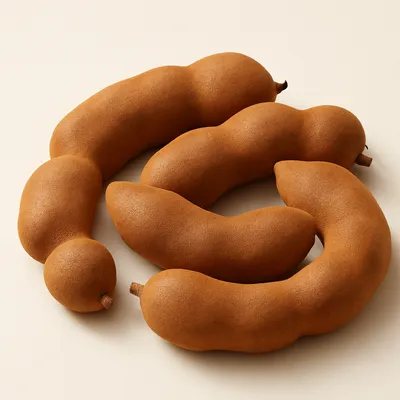
White thieb — broken rice and fish without tomato, steamed in herb-tamarind broth. The Saint-Louis purist counterform.



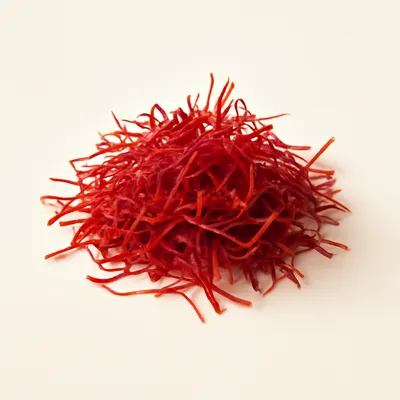

Saint-Louis variant predating the tomato standard. Wolof «thiéboudienne bou wekh» (literally white thieb) — uses no tomato, the rice colored only by saffron and turmeric. The form is older than the red version; tomato entered Senegalese cooking only after 1900 colonial imports. Cookbook author Anne Conduzorgues' 1989 work documents both.
Restaurant La Linguère in Saint-Louis (since 1968) lists thiébou wekh as the in-house Saint-Louisian specialty; chef Marème Ndoye says she learned it from her grandmother who refused to cook the red version. The 2021 UNESCO file listed both red and white as protected forms. Bou Wekh accounts for under 5% of Dakar restaurant thieb sales.
Pale-yellow rice (turmeric, not red-tomato), fish whole and steamed, broth aromatic with tamarind and parsley. Lighter than red thieb, more delicate — flavor relies on the fish and ferments, no tomato sweetness to lean on. The xoon crust at the bottom is pale gold not dark brown.
Same broken rice + stuffed-fish base as red thieb, but the cooking liquid is fish stock + tamarind water + turmeric + saffron, no tomato. Steam-cook rather than absorb-cook — the broth circulates rather than getting absorbed entirely. The technique is older and more demanding; a single mis-step exposes the missing tomato safety net.
Variations
Saint-Louis bou wekh (tamarind, turmeric, fish), the Lebou seaside form using ocean-caught thiof grouper, the Casamance crossover that adds palm oil, and the modernist Pierre Thiam version using preserved Meyer lemon.
On the Palate
Where Tcheb Bou Wekh sits in the Senegalese flavor cloud
Ingredients
Serves 6
How it's made
3 steps · 30 min active · 25 min waiting
- 125 min
Like thieboudienne but white — no tomato. Steam fish with herbs + tamarind broth 25 min.
- 225 min
Cook broken rice in herb broth absorbing flavor 25 min.
- 35 min
Place fish on rice; serve from platter.


